











According to China’s National Bureau of Statistics and State Taxation Administration, China’s manufacturing sector achieved sales revenue growth of 4.7% in the first three quarters of 2025, maintaining its position as the world’s manufacturing powerhouse. With equipment manufacturing accounting for 46.9% of total manufacturing revenue and showing 9% growth, China continues to dominate global supply chains across diverse product categories.
This comprehensive guide focuses on the 20 most popular product categories for international buyers, small to medium-sized businesses, and e-commerce sellers. Based on authoritative data from government statistics, industry associations, and market research institutions, we provide detailed insights into each product category, manufacturing clusters, and quality considerations to help you make informed sourcing decisions.
Tip: 10 Most Profitable Items to Import from China in 2025
1. Electronics and Electrical Equipment
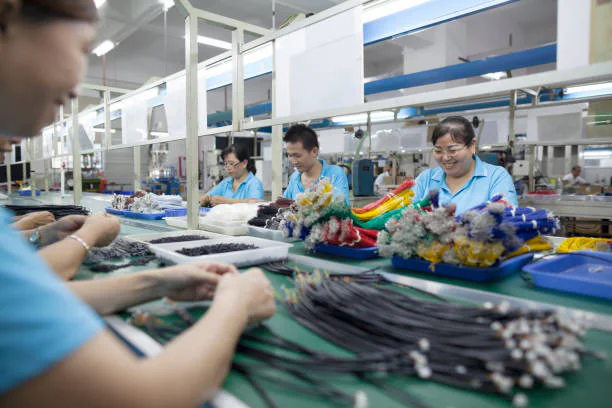
Export Value: Over $900 billion (estimated for 2025, based on Q1 data showing mechanical and electrical products at $511.7 billion). This category includes smartphones, laptops, integrated circuits, and household appliances. Core processes involve advanced semiconductor fabrication, surface-mount technology (SMT) assembly lines, and automated testing. China’s price advantage stems from vast supply chains in regions like Shenzhen, low labor costs combined with automation, and government subsidies for tech R&D, making products 20-30% cheaper than competitors.
Tip: Top 10 Huaqiangbei Electronics Markets in Shenzhen China
How to Import Electronics from China: A Complete Guide
2. Clothing and Textiles
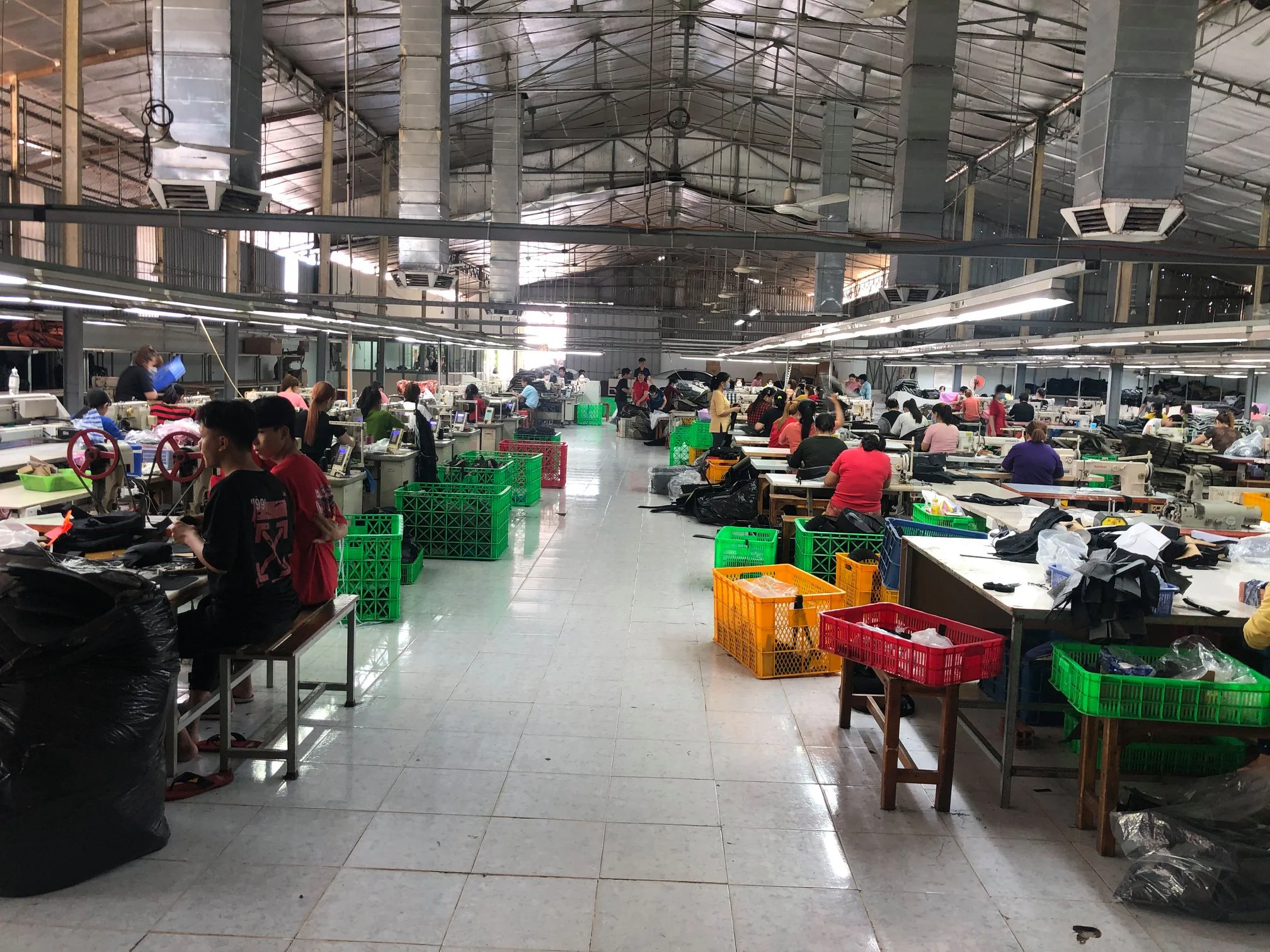
Export Value: Approximately $150 billion. This encompasses apparel, fabrics, and accessories. Manufacturing relies on vertical integration from yarn spinning to garment sewing, using high-speed looms and digital printing. Price edges come from economies of scale in textile hubs like Guangdong, access to cheap raw materials, and flexible production for fast fashion, often undercutting global prices by 15-25%.
Tips: 19 Blanket Fabric Material: Comprehensive Guide
3. Machinery
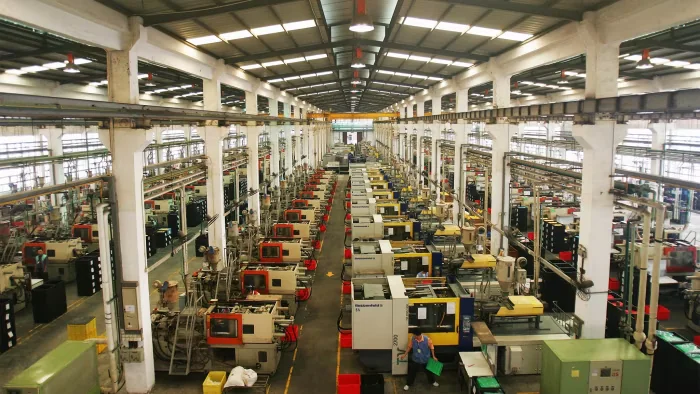
Export Value: Around $400 billion. Covers industrial equipment, construction machines, and appliances. Key processes include CNC machining, welding, and robotic assembly. Advantages include integrated supply chains for components, state-backed innovation in smart machinery, and competitive pricing due to overcapacity, reducing costs by up to 30% compared to Western manufacturers.
4. Furniture
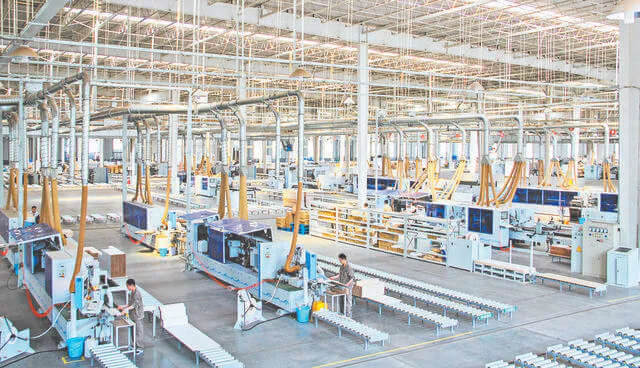
Export Value: About $50 billion. Includes residential and office pieces made from wood, metal, and composites. Processes feature automated cutting, CNC routing, and finishing lines. China’s edge lies in abundant raw materials, low-cost labor in factories across Fujian, and customizable mass production, offering prices 20-40% lower than elsewhere.
Tip: How to Import Furniture from China for Outdoor and Simple Use
5. Automobiles and Auto Parts
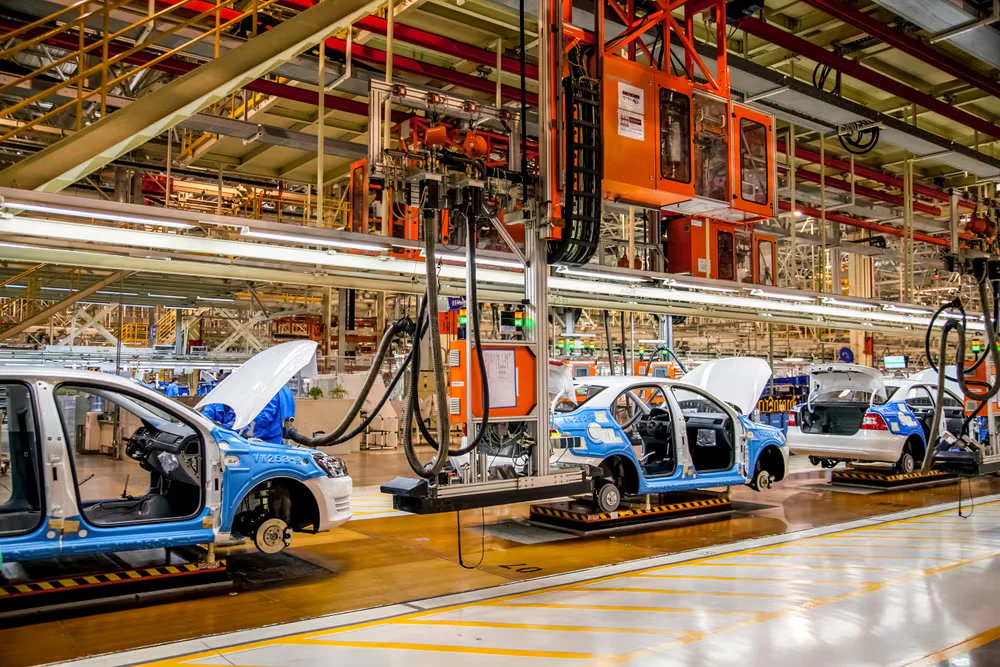
Export Value: Close to $160 billion (with passenger cars at $84.4 billion). Encompasses EVs, engines, and components. Core crafts involve stamping, welding, and battery integration. Price benefits from vertical integration, subsidies for EV tech, and scale in hubs like Shanghai, making vehicles 10-20% cheaper.
6. Footwear
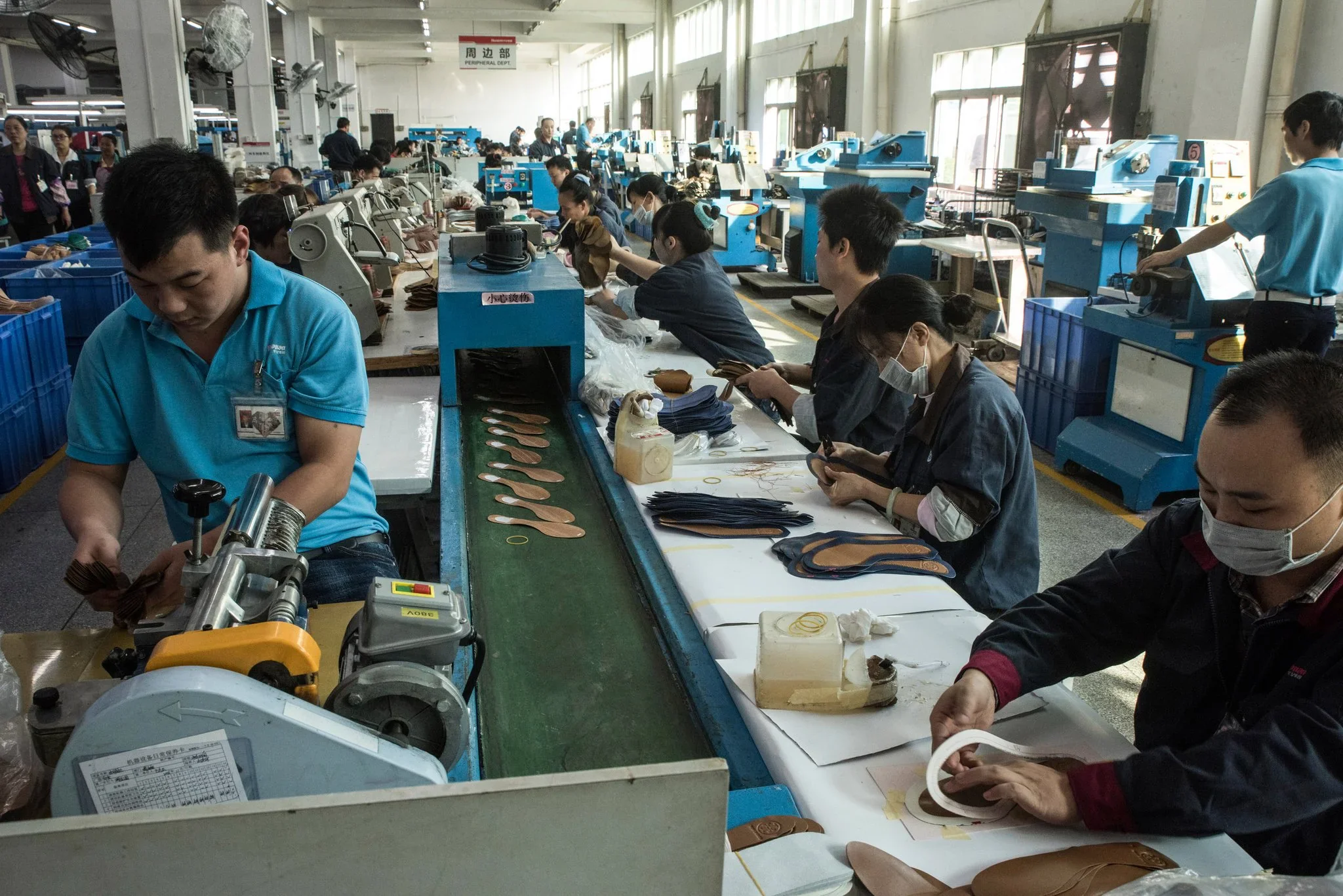
Export Value: Around $40 billion (annualized from Q1 $10.2 billion). Ranges from athletic to luxury shoes. Processes include injection molding, stitching, and vulcanization. Advantages: Cluster effects in Dongguan, cheap synthetic materials, and rapid prototyping, leading to 25-35% cost savings.
7. Toys and Sporting Goods
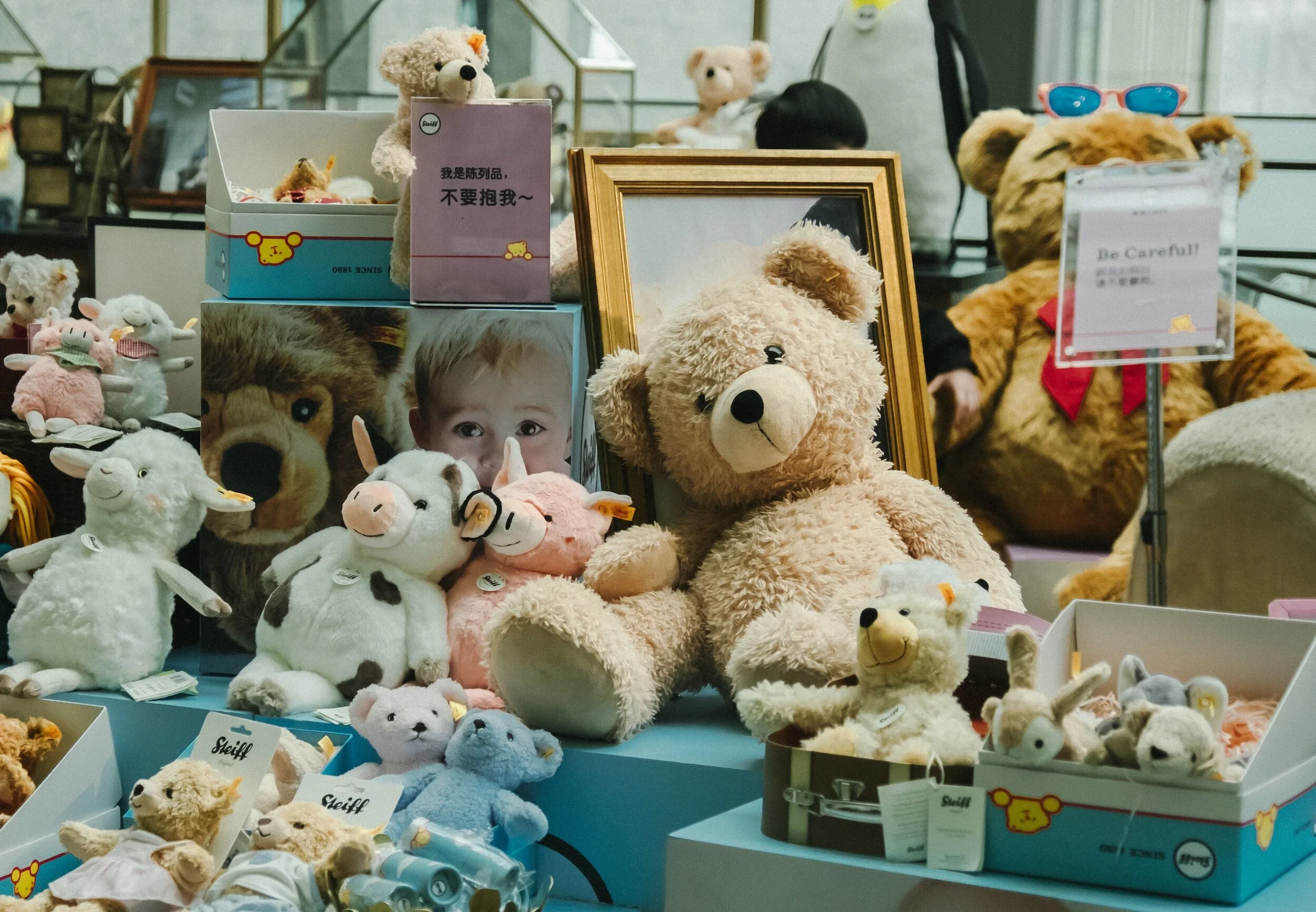
Export Value: Approximately $32 billion (annualized from Q1 $8 billion). Includes plush toys, games, and gym equipment. Manufacturing uses injection molding and assembly lines. Price edge from toy clusters in Chenghai, low material costs, and OEM capabilities for global brands.
Tip: Toy Manufacturers: 6 Things to Consider Before Placing Your First Order
8. Plastics and Articles Thereof
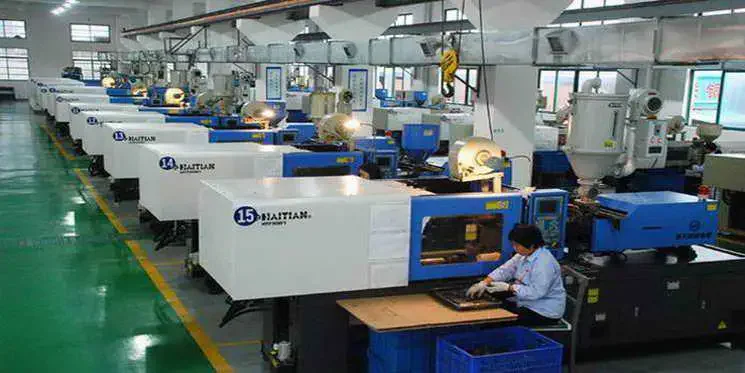
Export Value: About $98 billion (annualized from Q1 $24.6 billion). Covers packaging, household items, and components. Key processes: Extrusion, blow molding. Advantages: Abundant petrochemicals, automated factories, and recycling integration, cutting prices by 20-30%.
9. Optical and Medical Equipment
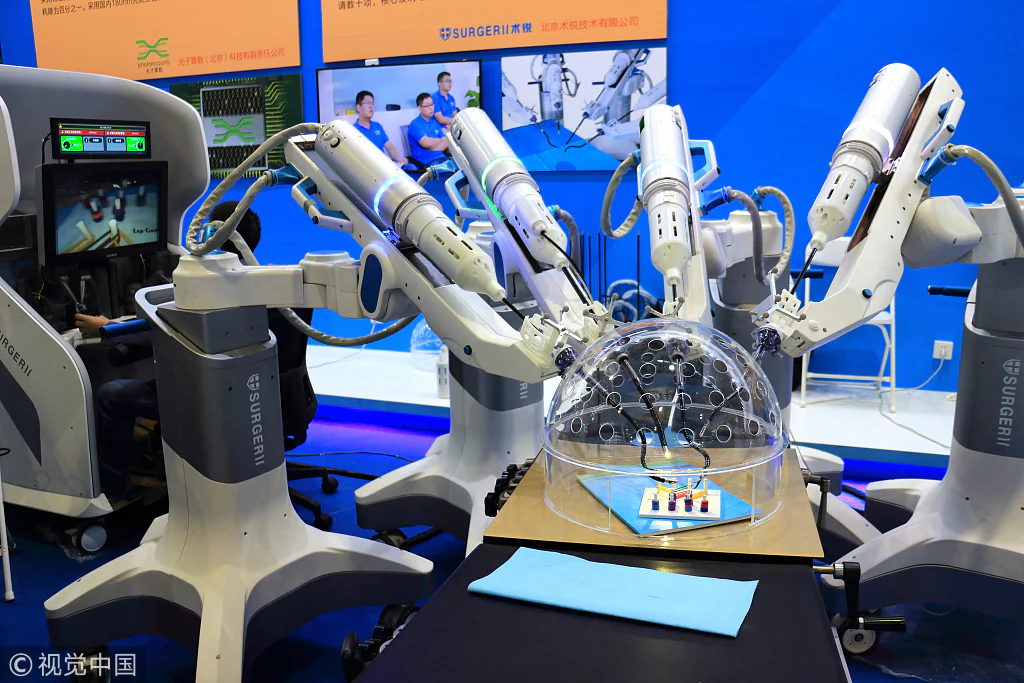
Export Value: Around $20 billion. Includes diagnostic tools and surgical instruments. Processes involve precision optics grinding and sterilization. China’s strength: R&D investments, supply chain for components, and cost-effective production, often 15-25% below market.
10. Steel and Iron
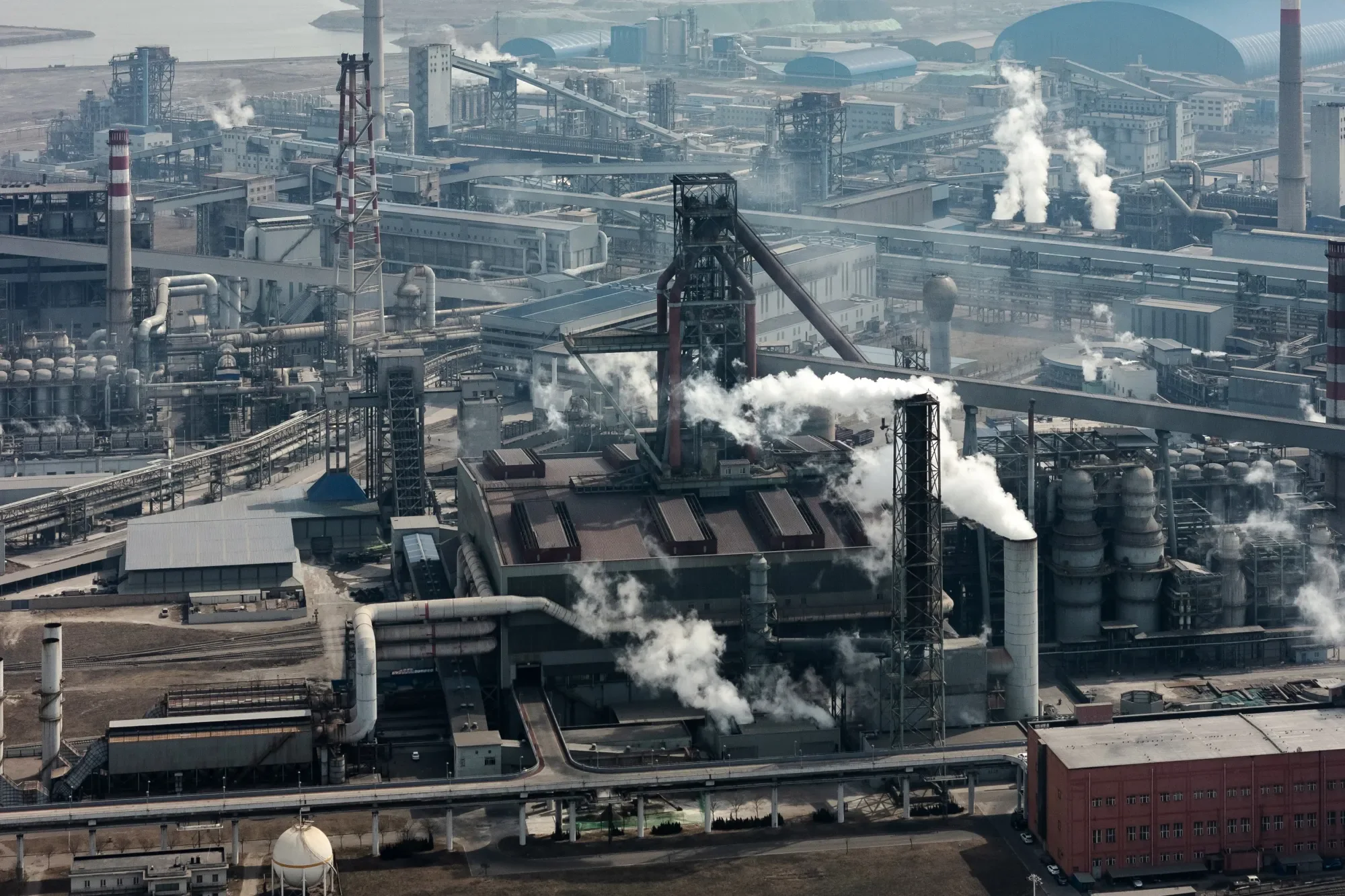
Export Value: Approximately $77 billion (annualized from Q1 $19.4 billion). Comprises rolled steel and pipes. Core: Blast furnace smelting, rolling mills. Price advantage: Massive capacity, cheap coal/iron ore, and efficiency improvements, undercutting by 10-20%.
11. Chemicals
Export Value: Around $100 billion. Spans industrial chemicals to pharmaceuticals. Processes: Synthesis, distillation. Edges: State-owned enterprises, raw material access, and scale, with prices 15-30% lower.
12. Shipbuilding
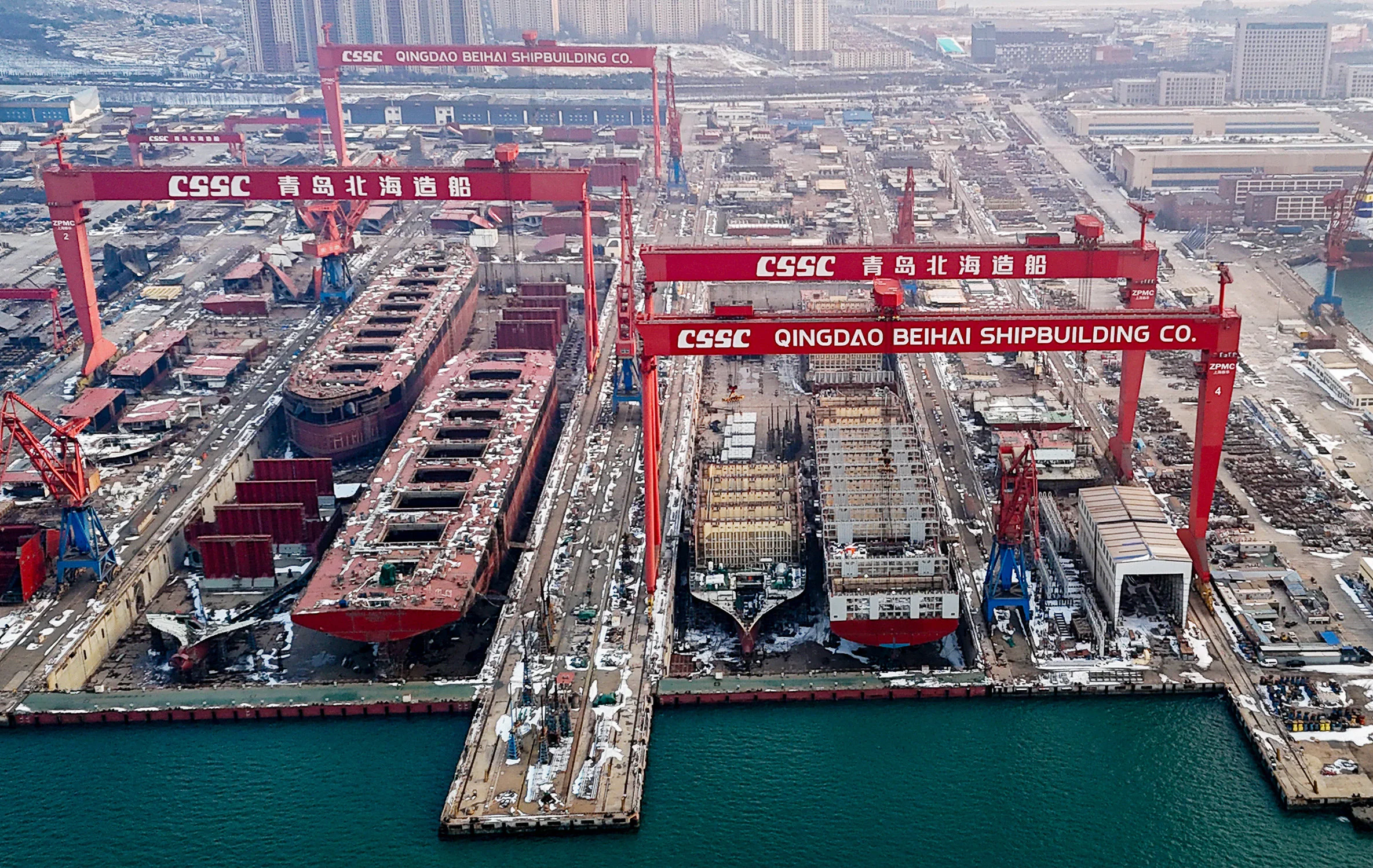
Export Value: About $40 billion (annualized from Q1 $10.1 billion). Includes cargo ships and tankers. Key crafts: Hull welding, outfitting. Advantages: Massive yards in Dalian, subsidies, and modular construction, reducing costs by 20%.
13. Aircraft and Spacecraft
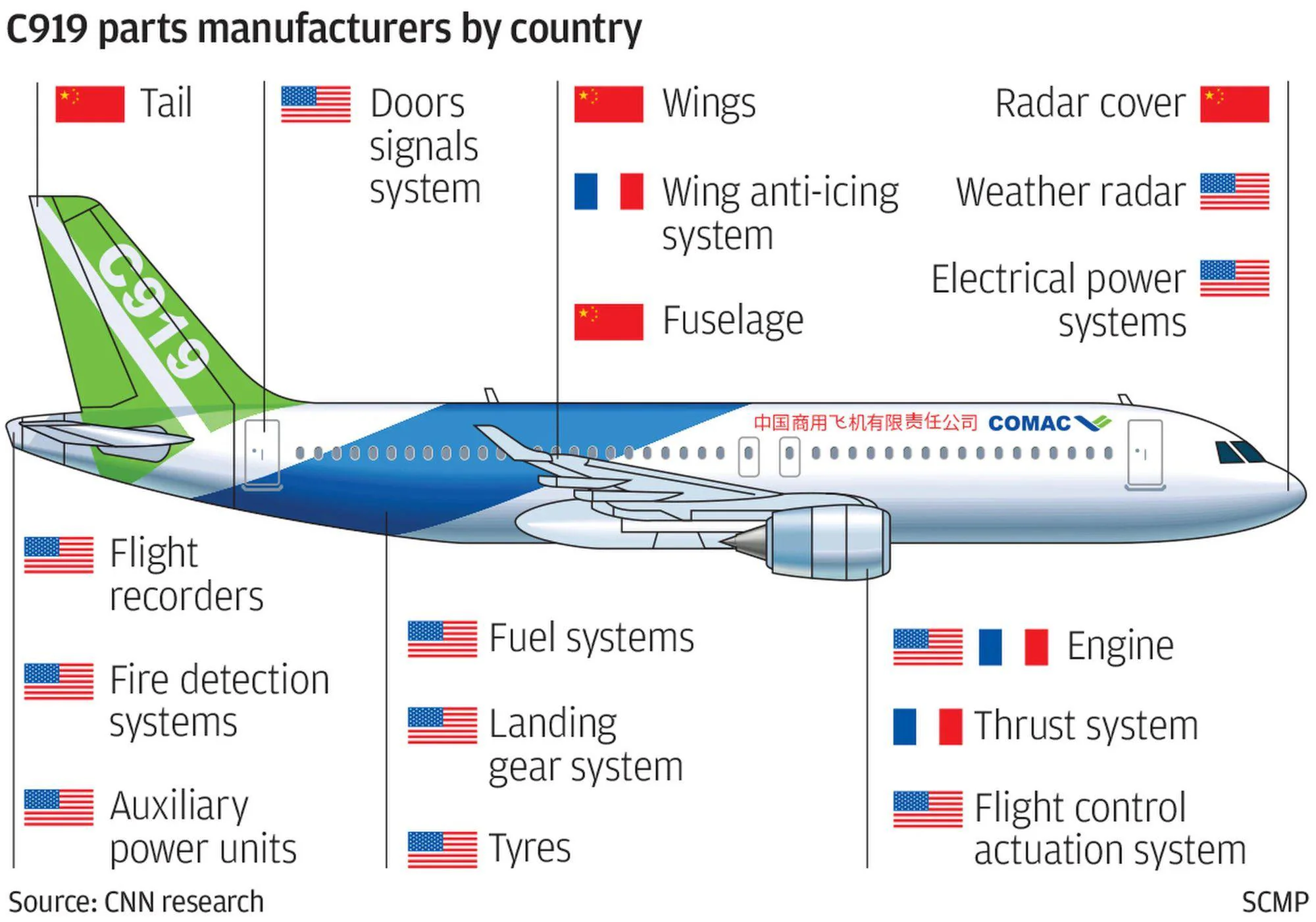
Export Value: Approximately $35 billion. Covers components and drones. Processes: Composite molding, avionics integration. Price edge: Growing COMAC ecosystem, joint ventures, and lower R&D amortization.
14. Computer Accessories
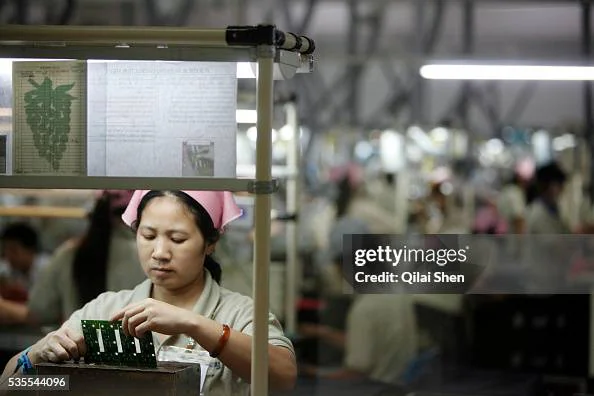
Export Value: Around $10 billion. Includes keyboards, mice, and peripherals. Assembly lines with pick-and-place robots. Advantages: Shenzhen electronics hub, component clustering, 25% cost savings.
15. Mobile Phones and Accessories
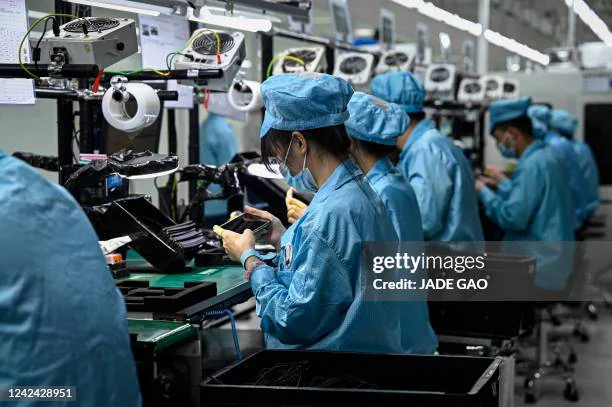
Export Value: Over $600 billion (with mobile phone manufacturing at $150.8 billion). Features smartphones and chargers. Core: SMT, testing. Price from 5G infrastructure, brand ecosystems like Huawei, 15-25% cheaper.
16. Jewelry
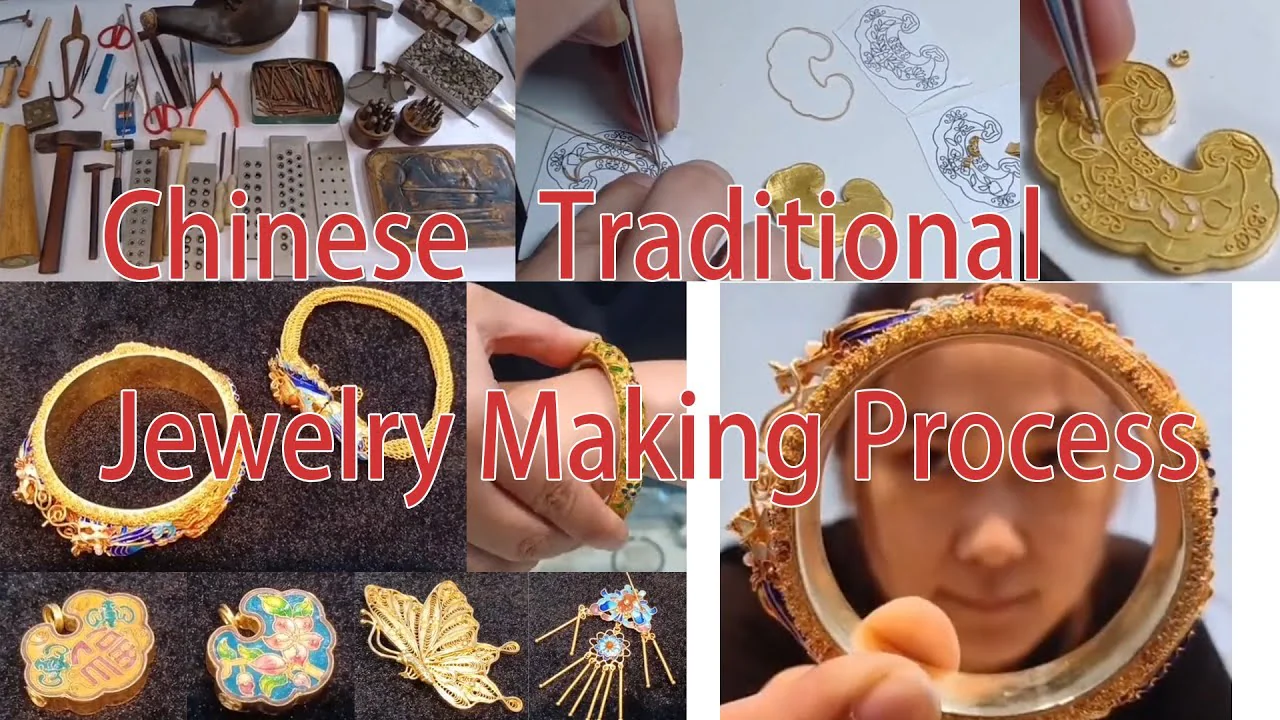
Export Value: Approximately $15 billion. Ranges from gold to costume pieces. Processes: Casting, polishing. Edges: Yiwu market, artisan skills with mass production, 20-40% lower prices.
17. Ceramics
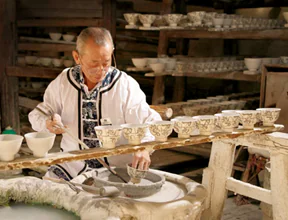
Export Value: Around $19 billion (annualized from Q1 $4.8 billion). Includes tableware and tiles. Kiln firing, glazing. Advantages: Jingdezhen heritage, clay resources, efficient kilns, 15-30% cost reduction.
18. Solar Panels and Renewable Energy Equipment
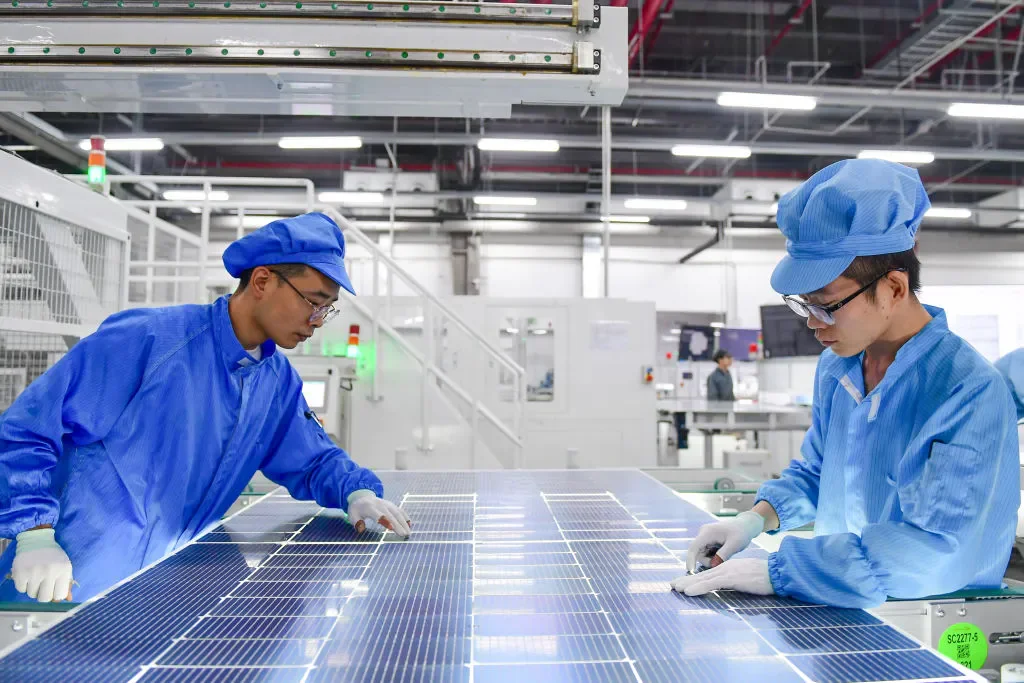
Export Value: About $84.3 billion. Involves silicon wafer cutting, cell assembly. Price from polysilicon dominance, subsidies, 30-50% cheaper modules.
19. Artificial Flowers
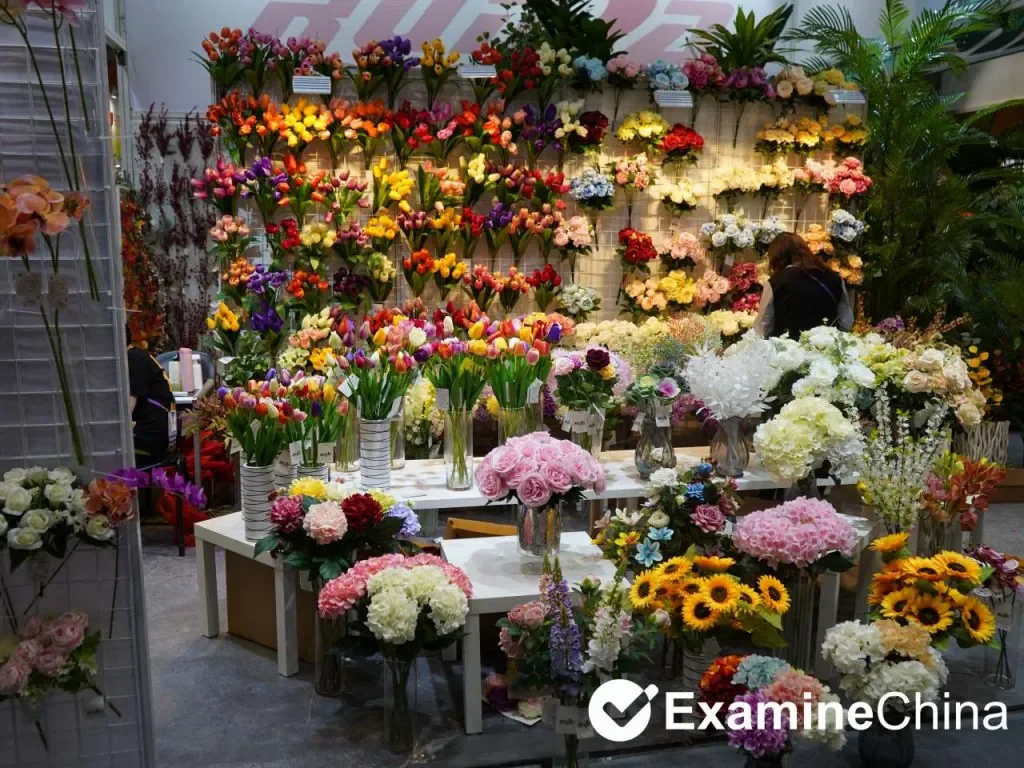
Export Value: Approximately $4 billion (niche estimate). Plastic molding, dyeing. Advantages: Specialized factories in Tianjin, low-cost synthetics, customizable designs at scale.
20. Processed Foods and Beverages
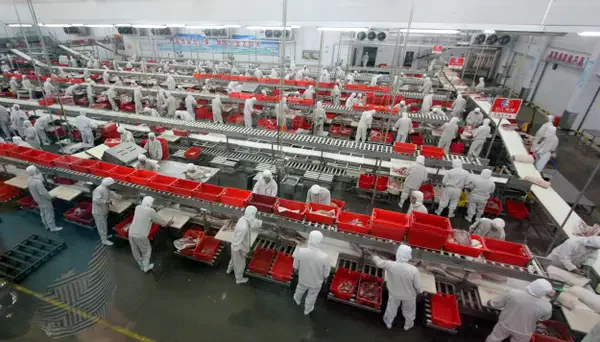
Export Value: Around $100 billion (annualized from broader categories). Includes canned goods and teas. Processes: Canning, packaging. Edges: Agricultural integration, food safety standards, competitive pricing via scale.
For sourcing these products, SellersUnion offers expert guidance in connecting with reliable Chinese manufacturers, ensuring quality and compliance. Contact us for tailored solutions.

Ivy is a Sourcing Specialist at Sellers Union. She shares hands-on experience in supplier selection, quality control, and market trends to help global wholesalers make informed decisions. Her goal is to simplify the sourcing process and help brands build efficient supply chains in the industry.






 P*****
 A*******
 C******
 A*****
 H*****
 E***
E*** D****
D**** T******
 O*****
 R*****
 Q****
Q**** P****
P****