









Choosing the right toy manufacturers is one of the most critical steps in launching or expanding a successful toy business. The quality, safety, and reliability of your products depend heavily on the manufacturer you select. Whether you’re a startup or an established brand, placing your first order with toy manufacturers requires careful evaluation. This article explores six essential factors to consider before making your decision, ensuring a smooth and profitable partnership.
Product Safety and Compliance Standards
When working with toy manufacturers, product safety must be the top priority. Toys are subject to strict regulations worldwide, and failing to meet these standards can result in recalls, legal penalties, and damage to your brand’s reputation. Reputable toy manufacturers adhere to international safety certifications such as the Consumer Product Safety Improvement Act (CPSIA) in the U.S., the European EN71 standards, and ASTM F963 for toy safety testing. Before placing an order, always verify that the manufacturer provides compliance documentation and conducts third-party testing. Ensuring that your toys meet these regulations not only protects children but also builds trust with retailers and consumers.
Manufacturing Capabilities and Customization Options
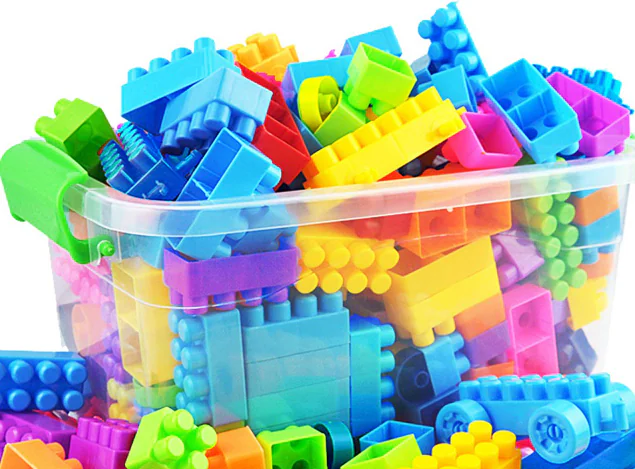
Not all toy manufacturers offer the same level of customization or production capabilities. Some specialize in mass-produced plastic toys, while others excel in handcrafted wooden or eco-friendly designs. If you have a unique product vision, look for manufacturers that offer OEM (Original Equipment Manufacturing) or ODM (Original Design Manufacturing) services. Many toy manufacturers also provide prototyping, allowing you to test and refine your design before committing to large-scale production. Additionally, consider whether the manufacturer can accommodate special requests, such as sustainable materials or branded packaging. Choosing a manufacturer with the right expertise ensures your product aligns with your brand’s identity and market demands.
Minimum Order Quantities and Pricing Structure
Budget considerations play a significant role in selecting toy manufacturers, especially for new businesses. Manufacturers often set Minimum Order Quantities (MOQs), which can vary widely depending on the complexity of the product. While some toy manufacturers may require large orders for cost efficiency, others offer lower MOQs for startups. It’s essential to discuss pricing structures upfront, including per-unit costs, mold fees, and potential bulk discounts. Be wary of hidden charges such as shipping, customs duties, or last-minute design changes that can inflate expenses. Comparing multiple toy manufacturers will help you find a balance between affordability and quality, ensuring your first order stays within budget while meeting your business goals.
Production Lead Times and Supply Chain Reliability
Delays in production can disrupt your business plans, particularly if you’re targeting seasonal sales like holidays or back-to-school periods. When evaluating toy manufacturers, inquire about their average lead times—from sample approval to final delivery. Reliable manufacturers should provide a clear timeline and have contingency plans for material shortages or production bottlenecks. Additionally, consider their supply chain stability, especially if sourcing specialized materials. Some toy manufacturers offer faster shipping options, such as air freight, for urgent orders, while others rely on sea freight for cost-effective bulk shipments. Visiting the factory or requesting references can help verify their ability to meet deadlines consistently.
Quality Control and Inspection Processes
Consistent quality is non-negotiable when working with toy manufacturers. Defective products can lead to customer complaints, returns, and long-term brand damage. Before placing an order, ask about the manufacturer’s quality control processes. Reputable toy manufacturers conduct inspections at multiple stages, including pre-production material checks, in-process quality audits, and final random testing. Some even allow third-party inspections for an unbiased assessment. Investing in rigorous quality control upfront minimizes risks and ensures that every toy meets your specifications. A manufacturer with a strong track record in quality assurance will help you maintain high standards and customer satisfaction.
Communication and After-Sales Support
Effective communication is crucial when collaborating with toy manufacturers, especially if you’re working across different time zones or languages. A responsive manufacturer will address concerns promptly, provide regular updates, and offer a dedicated point of contact. Before finalizing your order, test their communication by asking detailed questions and observing their response time. Additionally, inquire about their after-sales support policies, such as handling defective products, order discrepancies, or future reorders. A manufacturer that values long-term partnerships will work with you to resolve issues efficiently, ensuring a smooth and stress-free experience.
Conclusion
Selecting the right toy manufacturers requires thorough research and careful consideration of safety, customization, pricing, lead times, quality control, and communication. By evaluating these factors, you can establish a strong partnership that supports your business growth and delivers high-quality toys to your customers. Always request samples, verify certifications, and negotiate terms that align with your needs. With the right manufacturer, your first order can set the foundation for a successful and sustainable toy business. If you need assistance finding reputable toy manufacturers, industry directories, trade shows, and supplier reviews can be valuable resources in your search. If you want to know more, please contact us.

Ivy is a Sourcing Specialist at Sellers Union. She shares hands-on experience in supplier selection, quality control, and market trends to help global wholesalers make informed decisions. Her goal is to simplify the sourcing process and help brands build efficient supply chains in the industry.

 D*******
 C***
C*** S******
 L****
L**** E*******
 V***
V*** W******
 K*****
 P***
P*** N*****
 H*****
 F*****