










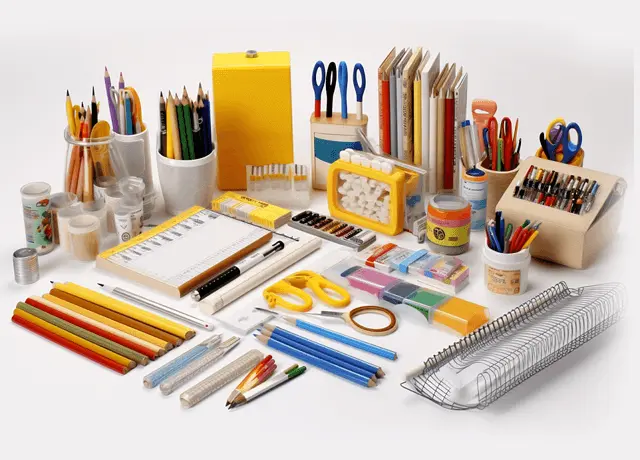
Over the past two decades, I’ve helped hundreds of entrepreneurs launch successful stationery businesses by connecting them with the right manufacturers in China’s vast supply chain. The stationery industry isn’t just surviving—it’s thriving. With the global market valued at $108.88 billion in 2025 and projected to reach $163.91 billion by 2032, there’s never been a better time to enter this space.
I’ve personally walked clients through the bustling aisles of Yiwu Market, negotiated with factory owners in Ningbo, and watched small startups transform into million-dollar brands. In this comprehensive guide, I’ll share everything I’ve learned about starting a stationery business, from understanding startup costs to sourcing products that actually sell.
Understanding the Stationery Business Landscape in 2026
The stationery market is experiencing a remarkable renaissance. Despite predictions of digital dominance, the global stationery products market is expected to grow from $114.02 billion in 2025 to $163.91 billion by 2032, exhibiting a CAGR of 5.32%. This growth is fueled by several key factors I’ve observed firsthand:
- Educational expansion: Increasing enrollment rates globally drive consistent demand for school supplies
- Remote work revolution: Home offices require organizational tools, quality notebooks, and professional stationery
- Mindfulness movement: Journaling, bullet journaling, and analog planning have become lifestyle trends among millennials and Gen Z
- Sustainability focus: Eco-conscious consumers actively seek recycled and biodegradable stationery products
From my experience helping clients source from China, I can tell you that Asia Pacific dominated the stationery products market with a market share of 43.17% in 2024, making it the ideal sourcing destination for new businesses.
Types of Stationery Businesses You Can Start
Through my years working with Sellers Union, I’ve seen entrepreneurs succeed with various business models. Let me break down your options:
1. Reseller/Wholesale Model
This is the lowest-risk entry point. You purchase finished products from manufacturers and resell them under their brand or as generic items. Profit margins typically range from 5-10% for wholesale and 20-35% for retail reselling.
Best for: Beginners with limited capital ($2,000-$10,000)
2. Custom Design Studio
You create original designs and work with manufacturers to produce custom stationery. This model offers higher margins (40-60%) and stronger brand differentiation.
Best for: Creative entrepreneurs with design skills
3. Private Label Business
You source quality products and brand them as your own. Our private label services make this accessible even for newcomers. We help with custom packaging, logo printing, and product customization.
Best for: Those wanting their own brand without designing from scratch
4. E-commerce Specialty Store
Focus on a specific niche (eco-friendly, artistic, luxury, or educational stationery) and sell primarily online. This model requires minimal physical infrastructure.
Best for: Digital-savvy entrepreneurs
5. Brick-and-Mortar Retail
Traditional storefront combining retail and community engagement. Higher overhead but stronger local presence.
Best for: Those with retail experience and substantial capital ($50,000+)
Stationery Business Startup Costs: Real Numbers from Real Businesses
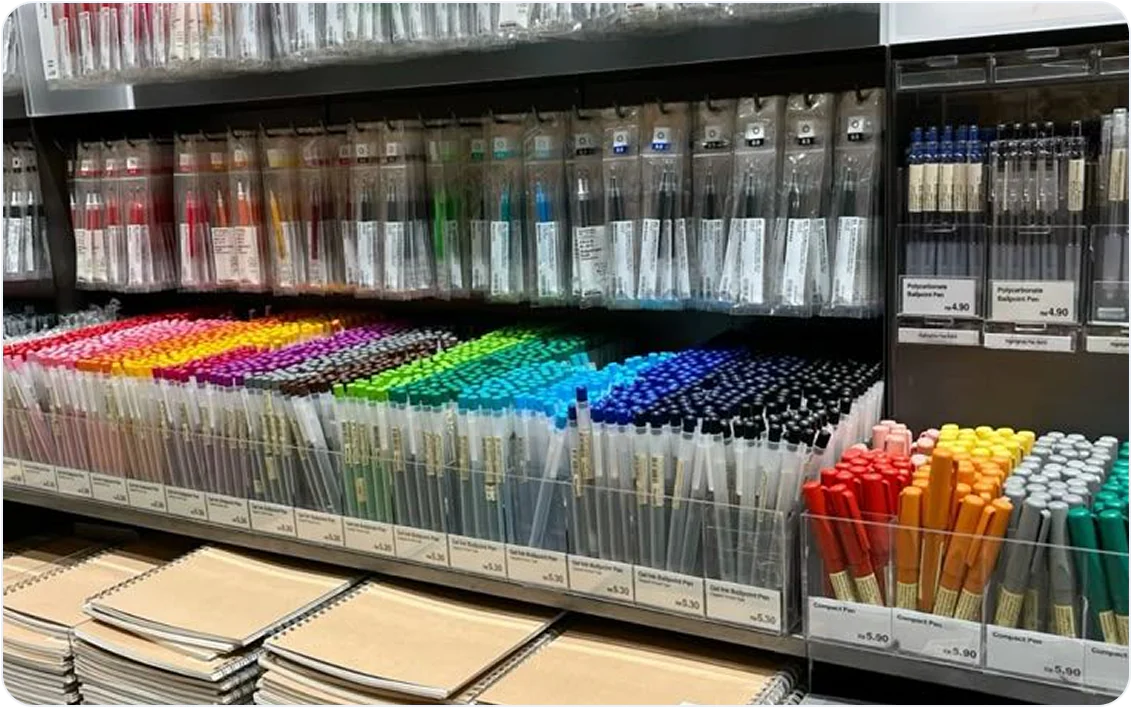
One of the most common questions I receive is: “How much do I actually need to start?” Based on businesses I’ve helped launch, here’s the reality:
Minimal Investment (Home-Based Online): $2,000-$7,000
- Initial inventory: $1,000-$3,000
- Website and e-commerce platform: $500-$1,500
- Business registration and permits: $100-$500
- Initial marketing: $300-$1,000
- Packaging and shipping supplies: $500-$1,000
- Miscellaneous expenses: $600-$1,000
I worked with a client from Canada who started with just $2,500. She focused on eco-friendly notebooks sourced from our Yiwu suppliers and built her brand entirely through Instagram. Within 18 months, she was generating $15,000 monthly.
Mid-Range Investment (Online + Small Inventory): $10,000-$30,000
This level allows for:
- Diverse product range ($5,000-$15,000)
- Professional branding and website ($2,000-$5,000)
- Inventory management software ($500-$1,500)
- Initial marketing campaigns ($1,500-$5,000)
- Quality packaging solutions ($1,000-$3,500)
Full-Scale Investment (Physical Store): $50,000-$150,000
For brick-and-mortar operations:
- Retail space lease (first/last/deposit): $5,000-$20,000
- Store build-out and fixtures: $10,000-$40,000
- Comprehensive inventory: $20,000-$50,000
- Staffing (first 3 months): $10,000-$30,000
- Marketing and grand opening: $5,000-$10,000
Opening a stationery store typically requires an investment ranging from $15,000 to $500,000, depending on various factors, with location and inventory quality being the primary cost drivers.
Top 5 Stationery Items That Actually Sell
After facilitating thousands of product orders through our sourcing services, I can tell you exactly what moves:
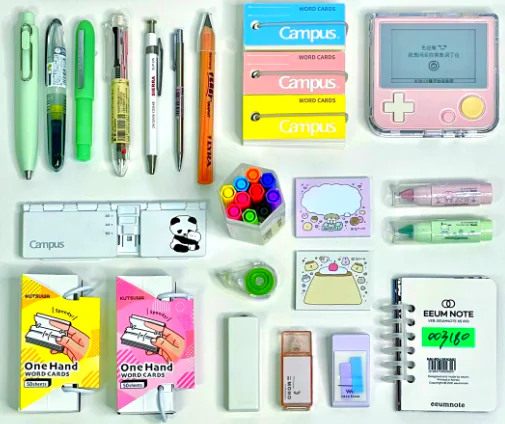
1. Gel Pens and Writing Instruments
These remain perennial bestsellers. Japanese-style gel pens, particularly those with vibrant colors and smooth ink flow, consistently top sales charts. I’ve seen these products achieve 300% markup in Western markets.
Sourcing tip: Ningbo and Wenzhou specialize in quality writing instruments. Our team can connect you with manufacturers offering MOQs as low as 500 units.
2. Premium Notebooks and Journals
Paper products captured 43.22% of stationery market share in 2024, with notebooks leading this category. Eco-friendly options with recycled paper are particularly popular.
What’s trending:
- Bullet journals with dot grids
- Leather-bound planners
- Sustainable cork or bamboo covers
- Customizable designs
3. Art and Craft Supplies
The art supplies segment is experiencing explosive growth. The art & craft segment is projected to witness the fastest growth rate from 2025 to 2032, fueled by DIY trends and creative hobbies.
Hot items:
- Watercolor marker sets
- Brush pens for calligraphy
- Washi tape collections
- Sticker sheets
4. Desk Organizers and Office Accessories
With hybrid work becoming permanent, office essentials posted the highest growth, expanding at a 6.42% CAGR to 2030.
Best performers:
- Minimalist pen holders
- Cable management solutions
- Desk planners and calendars
- Sticky note dispensers
5. Eco-Friendly Stationery
This isn’t just a trend—it’s a fundamental shift. I’ve watched demand for sustainable products increase 200% over the past three years. Our manufacturers now offer biodegradable pens, recycled paper products, and plant-based packaging.
How to Start a Stationery Business Online: Step-by-Step Process
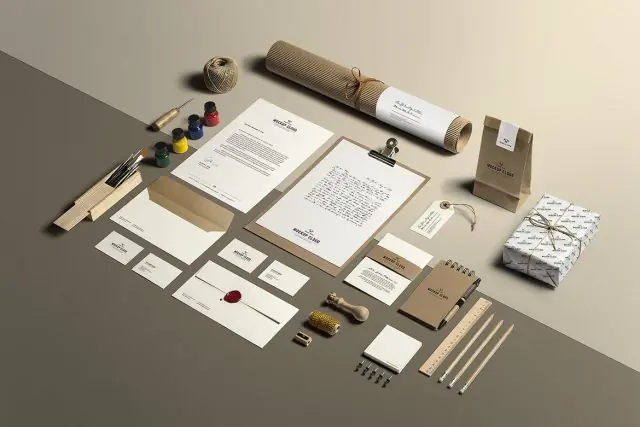
Let me walk you through the exact process I recommend to clients:
Step 1: Define Your Niche and Business Model
Don’t try to be everything to everyone. I’ve seen businesses succeed by focusing on:
- Sustainable school supplies
- Luxury corporate stationery
- Anime/character-themed products
- Minimalist Scandinavian designs
- Artist-grade supplies
Step 2: Create a Comprehensive Business Plan
Your plan should include:
- Target market analysis (demographics, buying habits, pain points)
- Competitive landscape assessment
- Financial projections (3-year outlook)
- Marketing strategy (channels, budget allocation)
- Supply chain management plan
Step 3: Source Your Products Strategically
This is where my experience becomes invaluable. China produces approximately 65% of global stationery products, with major manufacturing hubs in:
- Yiwu: The world’s largest small commodity market with over 75,000 suppliers
- Ningbo: Specializes in high-quality office supplies and organizational products
- Guangdong: Leading in innovative and tech-integrated stationery
- Wenzhou: Known for premium writing instruments
We’ve helped clients consolidate orders from multiple Yiwu factories, reducing logistics costs by 15% compared to multiple FOB shipments. Our online sourcing service allows you to browse suppliers virtually if you can’t visit China personally.
Pro tip: Always request samples before committing to bulk orders. We provide comprehensive quality inspection services to ensure your products meet international standards.
Recommend reading: How to Choose the Right Stationary Supplier for Your Business?
Step 4: Establish Your Brand Identity
Your brand is your most valuable asset. Invest in:
- Professional logo design ($300-$1,500)
- Cohesive visual identity (colors, fonts, packaging style)
- Compelling brand story that resonates with your target audience
- High-quality product photography
We offer custom packaging design services to help your products stand out on crowded shelves or in unboxing videos.

Step 5: Build Your Online Presence
Your website should be:
- Mobile-responsive (60% of traffic comes from mobile)
- Fast-loading (under 3 seconds)
- Easy to navigate with clear product categories
- Optimized for conversions with compelling CTAs
Platform recommendations:
- Shopify: Best for beginners ($29-$299/month)
- WooCommerce: Best for WordPress users (free + hosting)
- BigCommerce: Best for scaling businesses ($29-$299/month)
Step 6: Implement Marketing Strategies
From my observations, successful stationery businesses use:
Social Media Marketing:
- Instagram for visual storytelling (showcasing products in lifestyle settings)
- TikTok for viral potential (satisfying unboxing videos, organization hacks)
- Pinterest for driving traffic (tutorials, planning ideas)
Content Marketing:
- Blog posts about organization tips, journaling techniques, sustainable living
- YouTube videos demonstrating products
- Email newsletters with exclusive designs and promotions
Paid Advertising:
- Facebook/Instagram ads targeting specific demographics
- Google Shopping ads for product discovery
- Influencer partnerships (micro-influencers offer better ROI)
Budget allocation: Start with 10-15% of revenue for marketing in your first year.
Equipment Needed for Stationery Business
Your equipment requirements depend on your business model:
For Resellers (Minimal):
- Computer/laptop for managing orders
- Quality camera or smartphone for product photos
- Shipping scale and label printer
- Basic packaging supplies
For Custom Design Businesses:
- Design software (Adobe Creative Suite: $55/month)
- Tablet for digital illustration (iPad Pro: $800-$1,200)
- Color printer for proofing
- Laminator for prototypes (optional)
For Print-on-Demand Operations:
- High-quality printer ($500-$3,000)
- Heat press or foiling machine ($200-$1,500)
- Paper cutter and scoring tools ($100-$500)
- Binding equipment if offering notebooks ($300-$1,000)
My recommendation: Start as a reseller to validate your market, then gradually invest in equipment as you scale. Many of my most successful clients started with zero equipment, outsourcing production to our verified manufacturers.
How to Start a Stationery Business at Home Successfully
Working from home is how most stationery entrepreneurs begin. Here’s what I’ve learned works:
Set Up a Dedicated Workspace
Even a corner of a room works. You need:
- Organized storage for inventory (shelving units: $100-$300)
- Packing station with supplies within reach
- Computer workstation for managing operations
- Good lighting for product photography
Manage Inventory Efficiently
Start with lean inventory. Order based on validated demand rather than speculation. I recommend:
- Keeping 30-60 days of best-selling items in stock
- Using pre-orders for new or expensive items
- Implementing just-in-time ordering for seasonal products
Our warehouse consolidation service (50,000 ㎡ storage facility) allows you to order larger quantities for better pricing while we ship smaller batches as you need them.
Establish Business Boundaries
Working from home requires discipline:
- Set specific business hours
- Create a separate business bank account
- Track all expenses meticulously for tax purposes
- Invest in business insurance (general liability: $400-$1,000/year)
Small Stationery Shop Budget: Making It Work
If you’re opening a small physical shop, here’s a realistic budget breakdown:
One-Time Costs:
- Store deposit and first month rent: $3,000-$8,000
- Basic fixtures and display units: $2,000-$5,000
- Initial inventory (curated selection): $5,000-$15,000
- POS system: $1,000-$2,500
- Signage and store identity: $1,000-$3,000
- Total: $12,000-$33,500
Monthly Operating Costs:
- Rent: $1,500-$4,000
- Utilities: $150-$400
- Insurance: $100-$300
- Marketing: $300-$1,000
- Inventory replenishment: $1,500-$5,000
- Part-time staff (optional): $1,000-$3,000
- Total: $4,550-$13,700/month
Break-even calculation: If your average sale is $25 with a 50% profit margin, you need approximately 365-1,100 transactions monthly to cover expenses.
Is Stationery Business Profitable? Real Profitability Analysis
Let me be direct: yes, stationery businesses can be highly profitable, but success depends on your execution. Here’s what I’ve observed:
Profit Margins by Business Model:
Wholesale/Reseller: 5-15% net profit margin
- Lower margins but higher volume potential
- Less risk, easier to start
Retail (Online): 30-50% net profit margin
- Better margins through direct-to-consumer sales
- Higher customer acquisition costs
Custom Design: 40-60% net profit margin
- Premium pricing for original designs
- Requires more expertise and time investment
Private Label: 35-55% net profit margin
- Strong margins with brand recognition
- Moderate setup requirements
Real Revenue Examples:
Based on businesses I’ve worked with:
Year 1 (Conservative):
- Monthly revenue: $5,000-$15,000
- Annual revenue: $60,000-$180,000
- Net profit: $18,000-$72,000
Year 2 (Growing):
- Monthly revenue: $15,000-$40,000
- Annual revenue: $180,000-$480,000
- Net profit: $63,000-$192,000
Year 3+ (Established):
- Monthly revenue: $40,000-$150,000+
- Annual revenue: $480,000-$1,800,000+
- Net profit: $168,000-$720,000+
One client I worked with started selling Japanese gel pens and washi tape online. Her first-year revenue was $87,000 with a 42% profit margin. By year three, she hit $650,000 in annual revenue.
Key profitability factors:
- Product sourcing costs (China offers 40-70% lower costs than domestic manufacturing)
- Shipping efficiency (consolidated shipping reduces per-unit costs)
- Marketing effectiveness (email marketing offers 4,200% ROI)
- Product mix optimization (balance high-margin specialty items with volume movers)
What is the Target Market for Stationery?
Understanding your customers is crucial. Through years of market research, I’ve identified these primary segments:
1. Students (K-12 and College)
- Demographics: Ages 5-25, price-sensitive, trend-aware
- Needs: Affordable, functional, trendy designs
- Peak seasons: Back-to-school (July-September), exam periods
- Best products: Notebooks, pens, highlighters, organizational tools
2. Office Professionals
- Demographics: Ages 25-55, value quality and efficiency
- Needs: Professional appearance, reliable performance, organizational solutions
- Buying patterns: Consistent year-round, bulk purchases common
- Best products: Premium pens, planners, desk organizers, filing systems
3. Creative Enthusiasts
- Demographics: Ages 18-45, primarily female (65%), willing to pay premium
- Needs: Artistic expression, quality materials, aesthetic appeal
- Buying patterns: Impulse purchases, collect series, active on social media
- Best products: Bullet journal supplies, brush pens, stickers, washi tape, art journals
4. Eco-Conscious Consumers
- Demographics: Ages 20-50, higher income, value-driven
- Needs: Sustainable materials, ethical production, minimal packaging
- Buying patterns: Research-intensive, brand loyal, advocates
- Best products: Recycled notebooks, bamboo pens, plantable paper, refillable products
5. Corporate Buyers
- Demographics: Businesses of all sizes, budget-conscious
- Needs: Bulk quantities, customization, reliable delivery
- Buying patterns: Regular reorders, long-term relationships
- Best products: Branded notebooks, custom pens, gift sets, promotional items
6. Gift Buyers
- Demographics: Various ages, seeking unique/personal items
- Needs: Premium quality, attractive packaging, personalization
- Buying patterns: Seasonal spikes (holidays, graduations)
- Best products: Luxury journals, pen gift sets, custom stationery, specialty items
Frequently Asked Questions
How long does it take to start a stationery business?
From my experience, you can launch a basic online store in 4-8 weeks. This timeline includes product sourcing (2-3 weeks), website setup (1-2 weeks), and initial marketing preparation (1-2 weeks). Physical stores require 3-6 months due to lease negotiations, build-out, and inventory stocking.
Do I need special licenses for a stationery business?
Generally, you’ll need a basic business license and sales tax permit. Some jurisdictions require a reseller permit for wholesale purchasing. If you’re importing products, you’ll need an EIN (Employer Identification Number). We help clients navigate export documentation and customs requirements to ensure compliance.
Can I start a stationery business with no experience?
Absolutely. Many successful stationery entrepreneurs started with zero industry experience. What matters more is understanding your target market, sourcing quality products, and effective marketing. Our team at Sellers Union guides first-time buyers through every step, from factory selection to quality control to shipping logistics.
What are the most common mistakes new stationery businesses make?
The biggest mistakes I see:
- Ordering too much inventory initially – Start small and test market demand
- Neglecting quality control – One batch of defective products can destroy your reputation
- Underestimating shipping costs – Factor in international shipping, customs, and last-mile delivery
- Poor product photography – In online sales, images are everything
- Inconsistent branding – Maintain cohesive visual identity across all touchpoints
Which is the No. 1 stationery brand?
Globally, companies like Faber-Castell, BIC, Staedtler, and Pentel dominate different segments. However, in the premium and lifestyle segment, brands like Muji, Leuchtturm1917, and Moleskine command strong loyalty. The “best” brand depends on your target segment—students gravitate toward affordable options like BIC, while creative professionals prefer specialty brands.
How do I find reliable stationery suppliers in China?
This is where partnering with an experienced sourcing agent becomes invaluable. We’ve built relationships with over 1,500 verified manufacturers across China. Our team:
- Conducts factory audits to verify production capabilities
- Negotiates competitive pricing on your behalf
- Manages quality control inspections
- Coordinates consolidated shipping from multiple suppliers
- Handles all documentation and customs requirements
We currently work with clients worldwide and have a minimum order value of $5,000, which allows us to provide comprehensive service while maintaining profitability.
What is a stationery seller called?
In retail contexts, they’re simply called “stationery store owners” or “stationery retailers.” In B2B contexts, you might encounter terms like “office supply distributors” or “stationery wholesalers.” If you specialize in custom designs, you’d be a “stationery designer” or “paper goods artist.”
Final Thoughts: Your Path to Stationery Business Success
Starting a stationery business combines passion with practical profitability. The industry’s steady growth trajectory, diverse customer base, and relatively low barriers to entry make it an attractive opportunity for entrepreneurs at all levels.
Throughout my 20+ years helping businesses source from China, I’ve learned that success comes down to three fundamentals:
- Quality products at competitive prices – Partner with reliable manufacturers who meet international standards
- Strong brand identity – Differentiate yourself in a crowded market through unique designs, sustainability, or specialized niches
- Effective marketing – Connect with your target audience where they spend time, whether that’s Instagram, TikTok, or local craft fairs
The stationery market isn’t just surviving in the digital age—it’s thriving because people crave tactile experiences, creative expression, and meaningful organization. Your business can tap into this enduring demand.
Whether you’re starting with a $2,000 home-based operation or planning a full-scale retail store, the opportunity is real. I’ve watched entrepreneurs transform from first-time importers nervously placing their initial orders to confident business owners managing six-figure revenues.
Ready to take the next step? Visit Sellers Union to explore our comprehensive sourcing services, or reach out to our team for personalized guidance. We’re here to help you source high-quality stationery products, navigate the complexities of international trade, and build a thriving business.
Remember: every successful stationery brand started with a single order and a vision. Your journey begins now.

Ivy is a Sourcing Specialist at Sellers Union. She shares hands-on experience in supplier selection, quality control, and market trends to help global wholesalers make informed decisions. Her goal is to simplify the sourcing process and help brands build efficient supply chains in the industry.


 N***
N*** V*******
 E*******
 B******
 F*******
 L****
L**** S******
 X***
X*** E***
E*** T******
 Z*******
 K***
K***