








Understanding China’s Wholesale Market Structure
Primary Wholesale Clothing Markets (Tier 1)
Primary wholesale markets are the source—they buy directly from factories and are the main distribution centers for the entire supply chain. These markets typically:
- Do NOT accept individual shoppers during regular business hours
- Require minimum orders of 10 pieces mixed styles/colors/sizes
- Often require same-style orders in full size and color runs
- Offer the lowest wholesale prices
- Operate on thin margins with high volume
Exception: During Chinese New Year clearance or seasonal transitions (summer-to-fall, winter-to-spring), many primary wholesale markets clear inventory and temporarily accept individual buyers. However, trying on clothes is usually not permitted, and all sales are final.
Secondary Wholesale Clothing Markets (Tier 2)
Secondary wholesale markets buy from primary wholesalers and resell to smaller retailers and individual shoppers. These markets:
- Welcome individual shoppers and small orders
- Allow trying on clothes in most shops
- Have slightly higher prices than primary markets (but still wholesale rates)
- More flexible with minimum order quantities
- Better suited for boutique owners and personal shoppers
Major Wholesale Clothing Markets in China
1. Guangzhou – China’s Fashion Epicenter
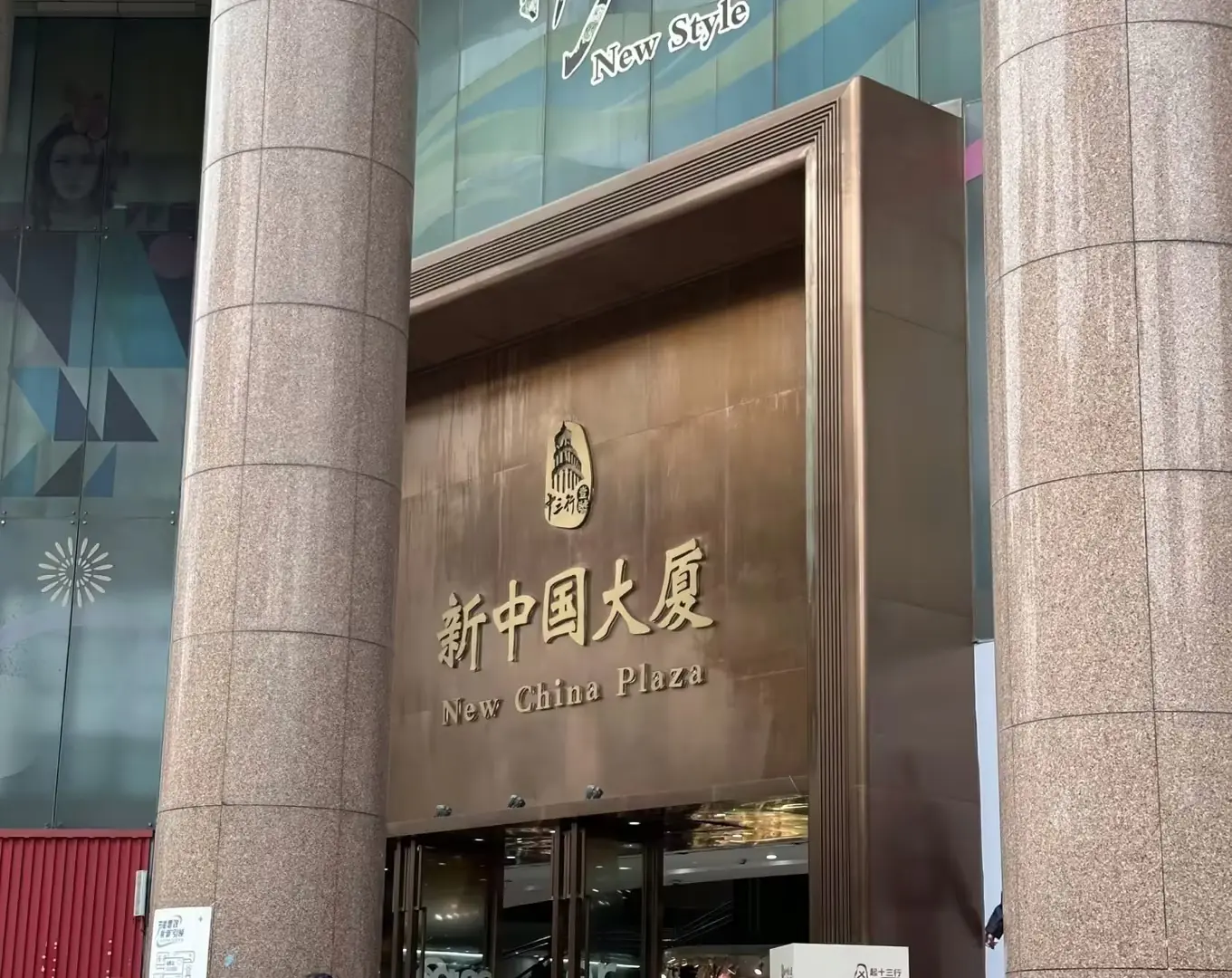
Thirteen Hong Street Wholesale Market (Shisanhang) – PRIMARY MARKET Located in Liwan District, Thirteen Hong is the largest and most influential source market in China—the true origin point for women’s fashion distribution nationwide. This primary wholesale hub includes:
- Thirteen Hong Fashion City (New China Plaza)
- Xinguang Shisanhang Wholesale Plaza
- Fuli Commercial Building
- Guge Commercial Building
Key features:
- Serves as the main distribution center for retailers across China
- Specializes in trendy women’s wear with Korean and Japanese influences
- Requires 10-piece minimum mixed orders or full size/color runs
- Does NOT accept individual shoppers during regular business (except clearance periods)
- Offers the absolute lowest wholesale prices in Guangzhou
- Houses over 10 buildings with thousands of suppliers
Baima Clothing Wholesale Market – MIXED (Primary + Some Retail)
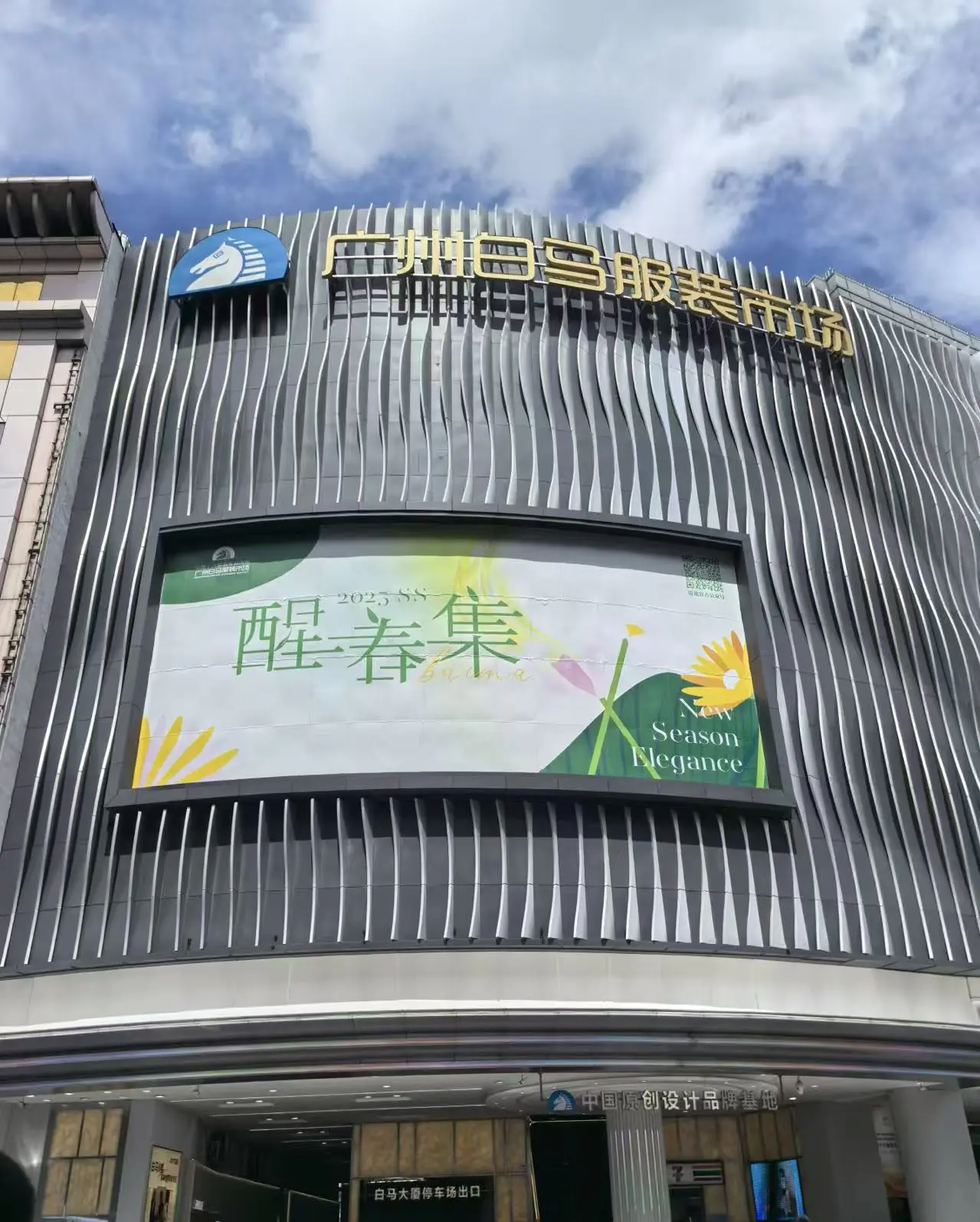
A prestigious 8-story building specializing in mid-to-high-end women’s fashion:
- Address: 67 Zhanqian Road, Yuexiu District
- 2,000+ shops spread across multiple floors
- Both primary wholesalers and some shops that accept smaller orders
- Quality and design are superior, prices higher than Thirteen Hong
- Popular with upscale boutique owner
Shahe Clothing Wholesale Market – SECONDARY MARKET
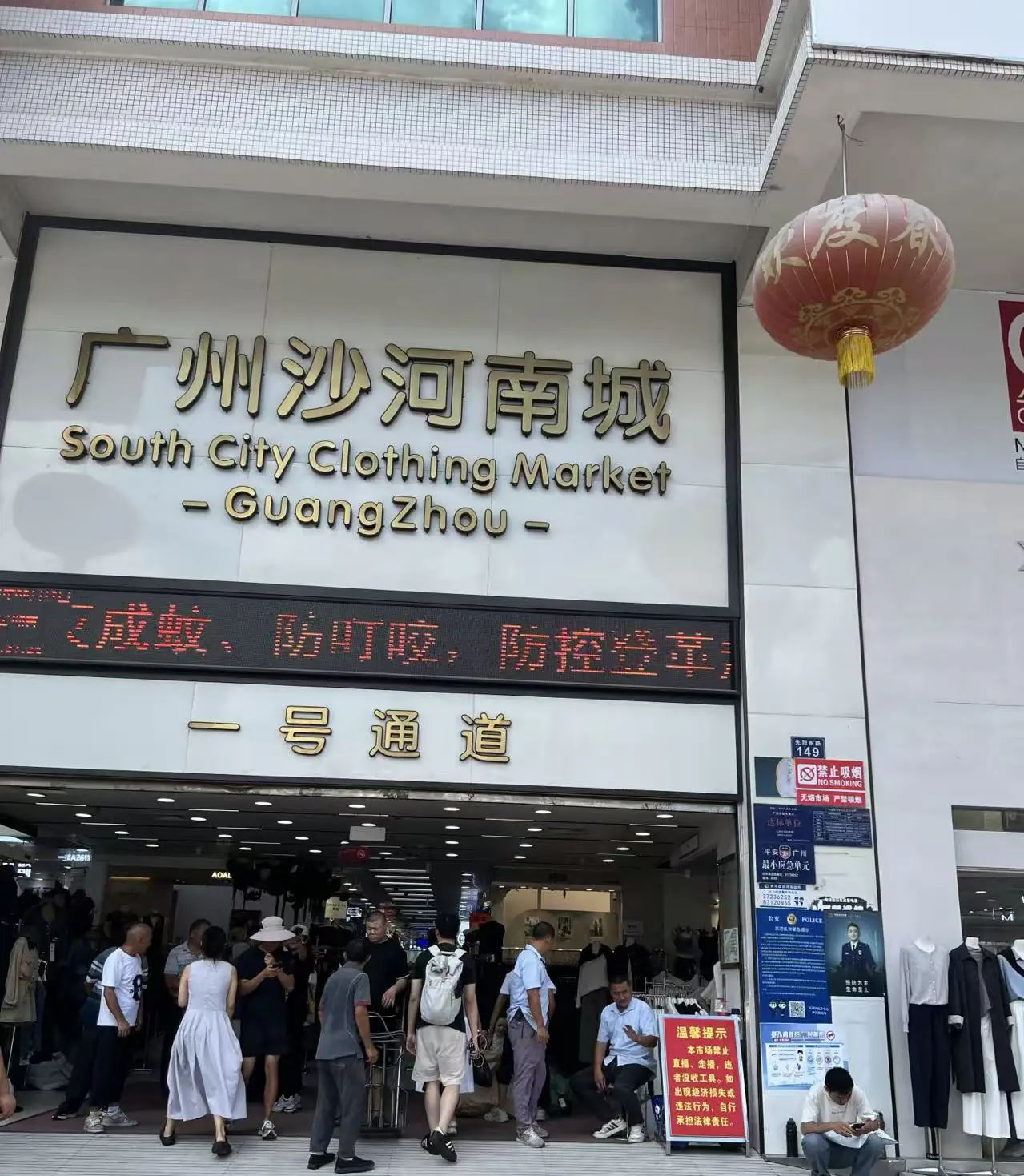
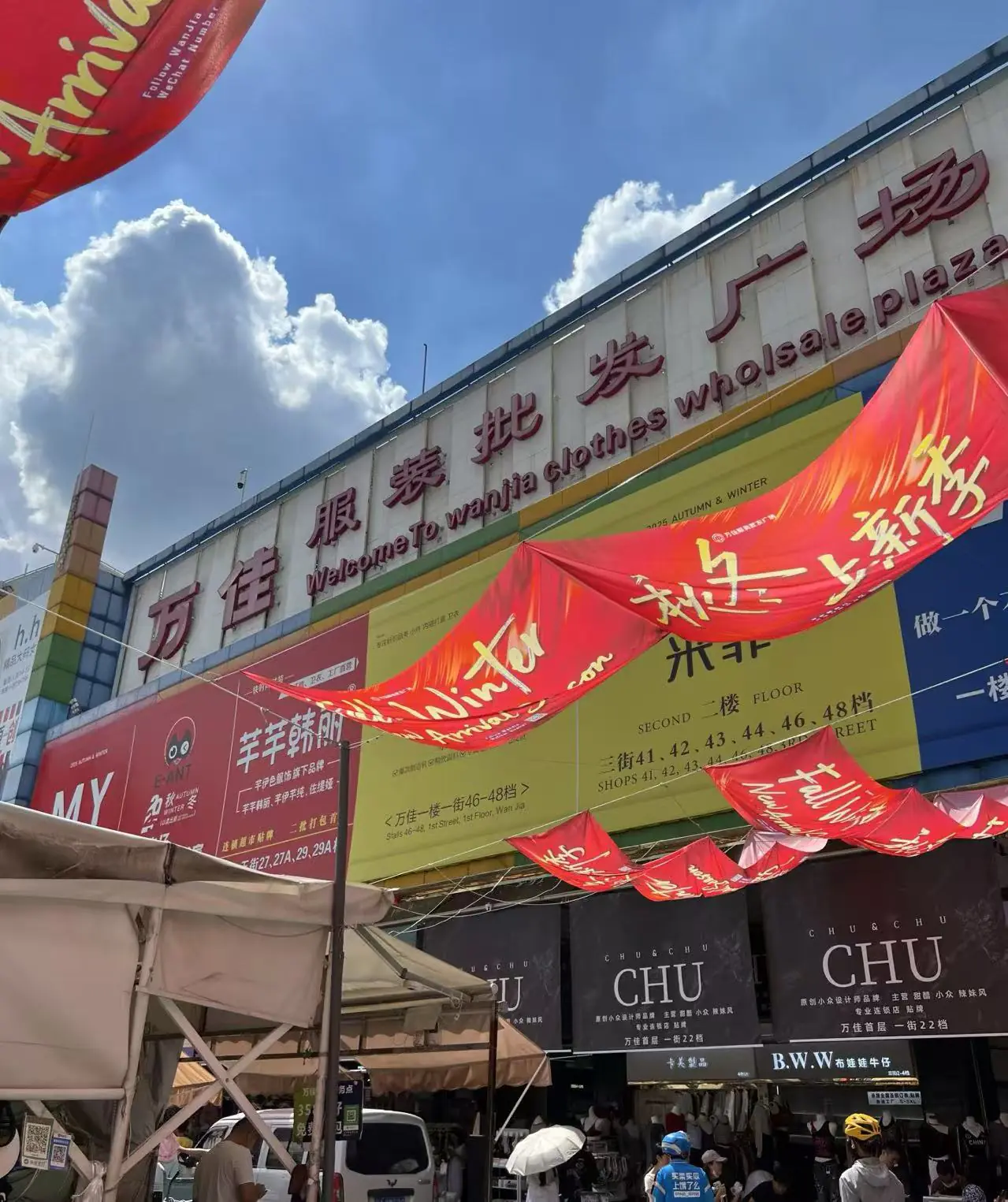
The largest secondary wholesale market perfect for individual shoppers and small retailers:
- Located in Tianhe District near Tianhe Bus Terminal
- Multiple buildings including Shahe South City Clothing City, Wanjia Clothes Wholesale Plaza, Jinma Clothing Trade City
- Welcomes individual buyers
- Can try on clothes in most shops
- More flexible order quantities
- Huge variety of affordable women’s clothing
- Great for testing styles before placing larger orders
Guangzhou apM Fashion Market – SPECIALIZED TRENDY MARKET
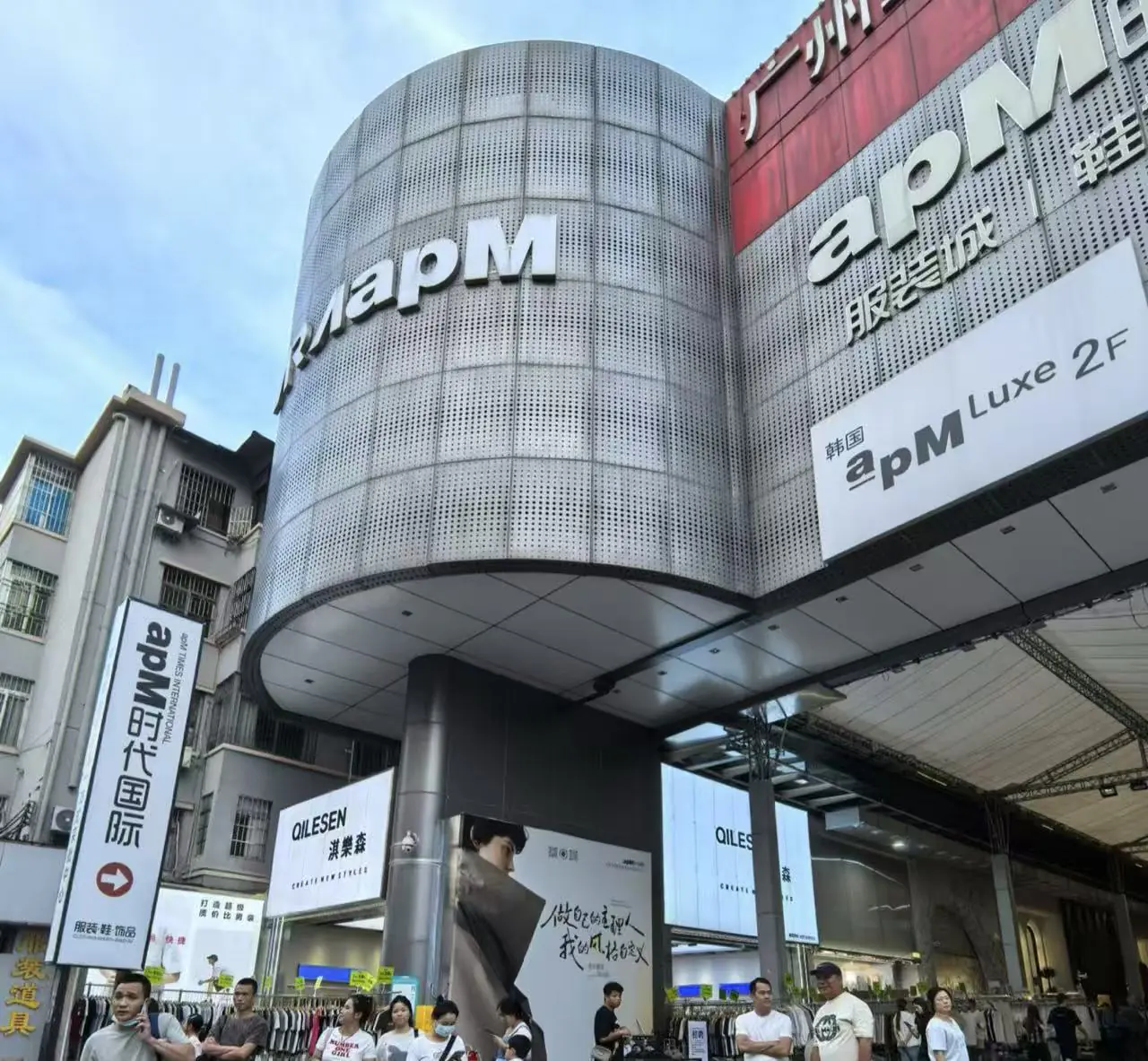
A modern fashion hub in Guangzhou:
- Original fast-fashion women’s and men’s wear
- Strong Korean influence in design
- Accessories and trendy items
- Popular with younger fashion-forward buyers
- Mix of primary and secondary wholesale
Guangzhou Liuhua Garment Wholesale Market – EXPORT-ORIENTED
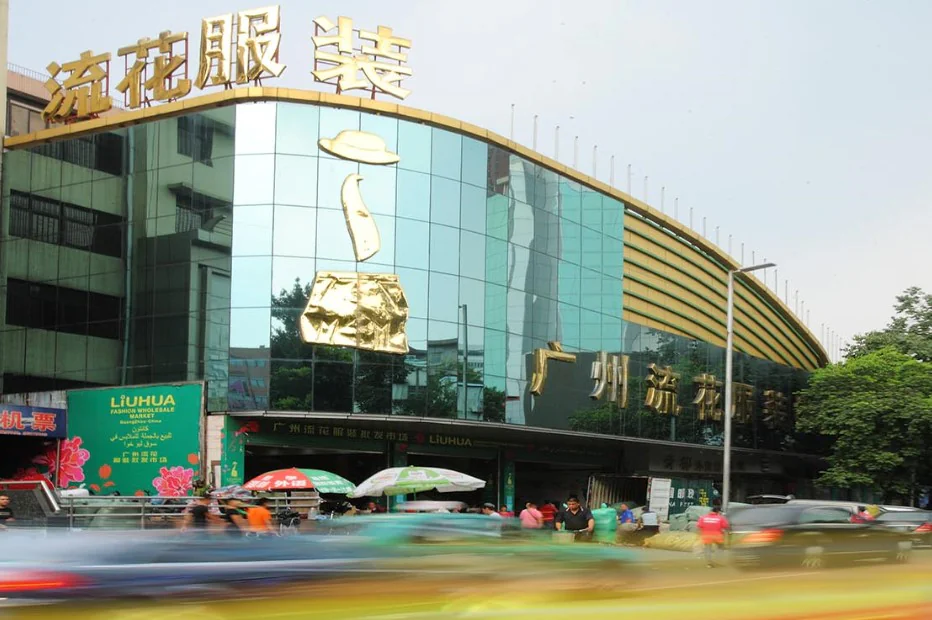
Export-focused wholesale center:
- Ready-to-wear fashion for international markets
- Serves buyers from 160+ countries
- Strong in export documentation and logistics
- Mix of wholesale levels depending on vendor
2. Hangzhou – Korean Style Fashion Capital
Sijiqing Clothing Market – MIXED PRIMARY/SECONDARY
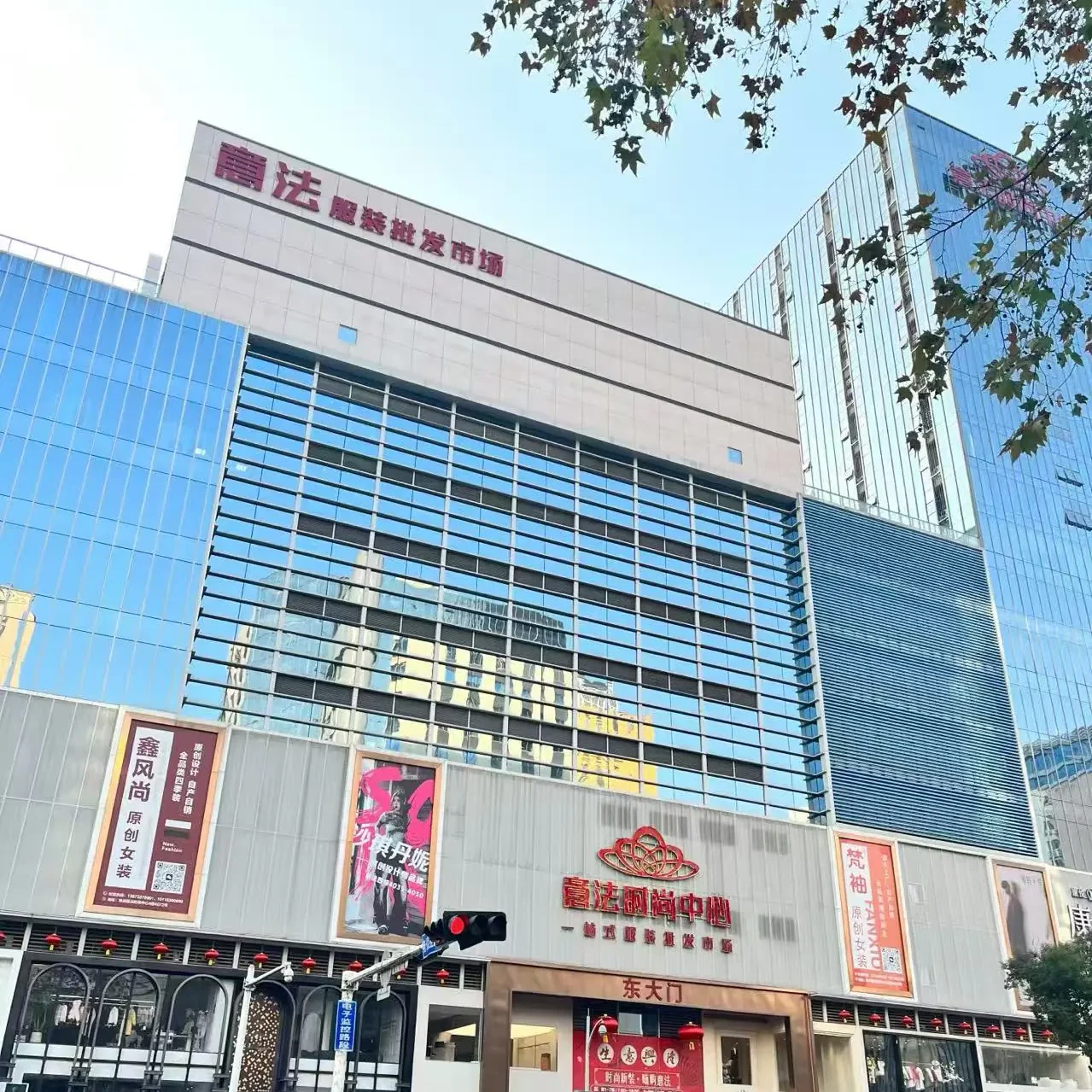
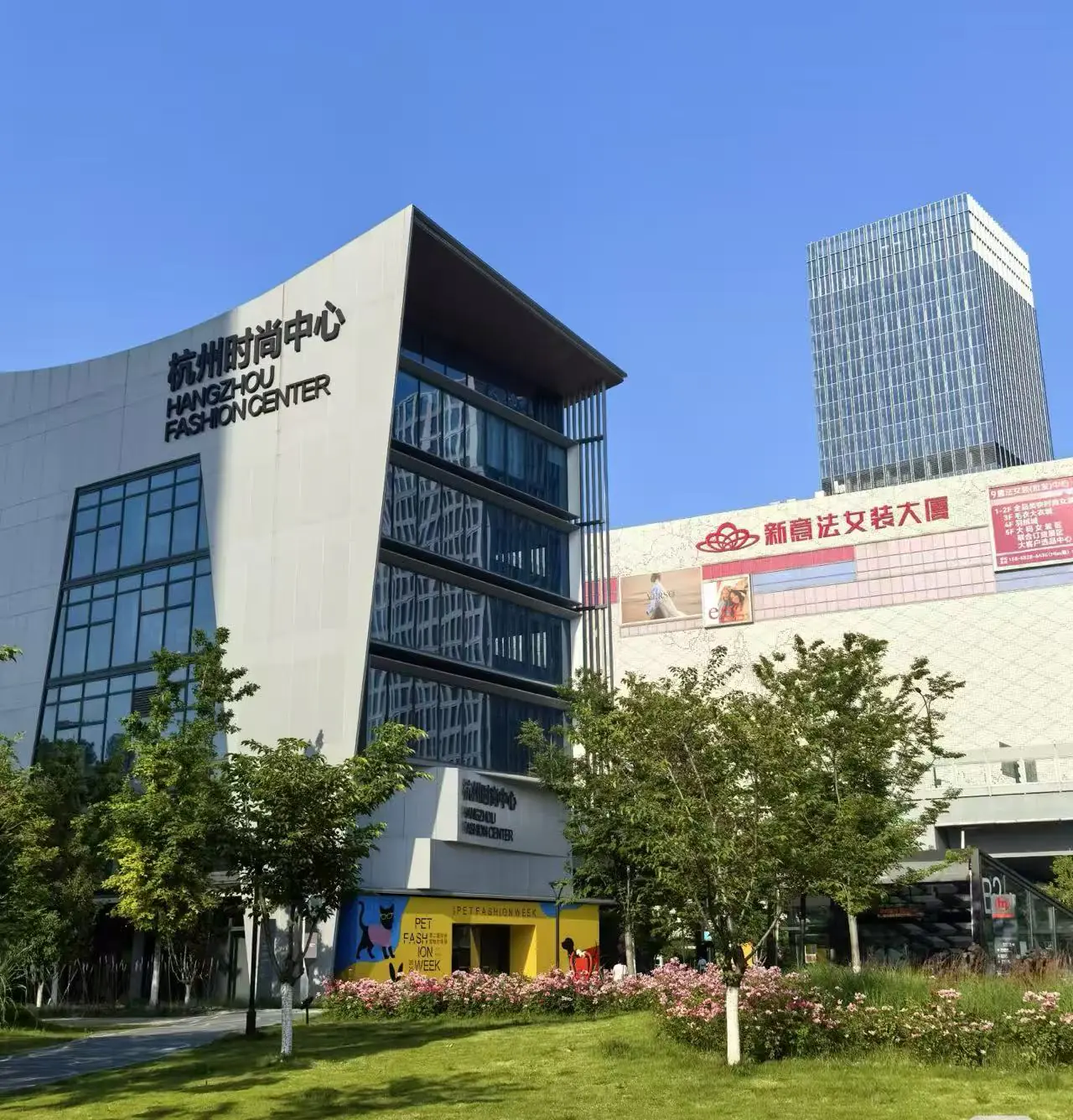
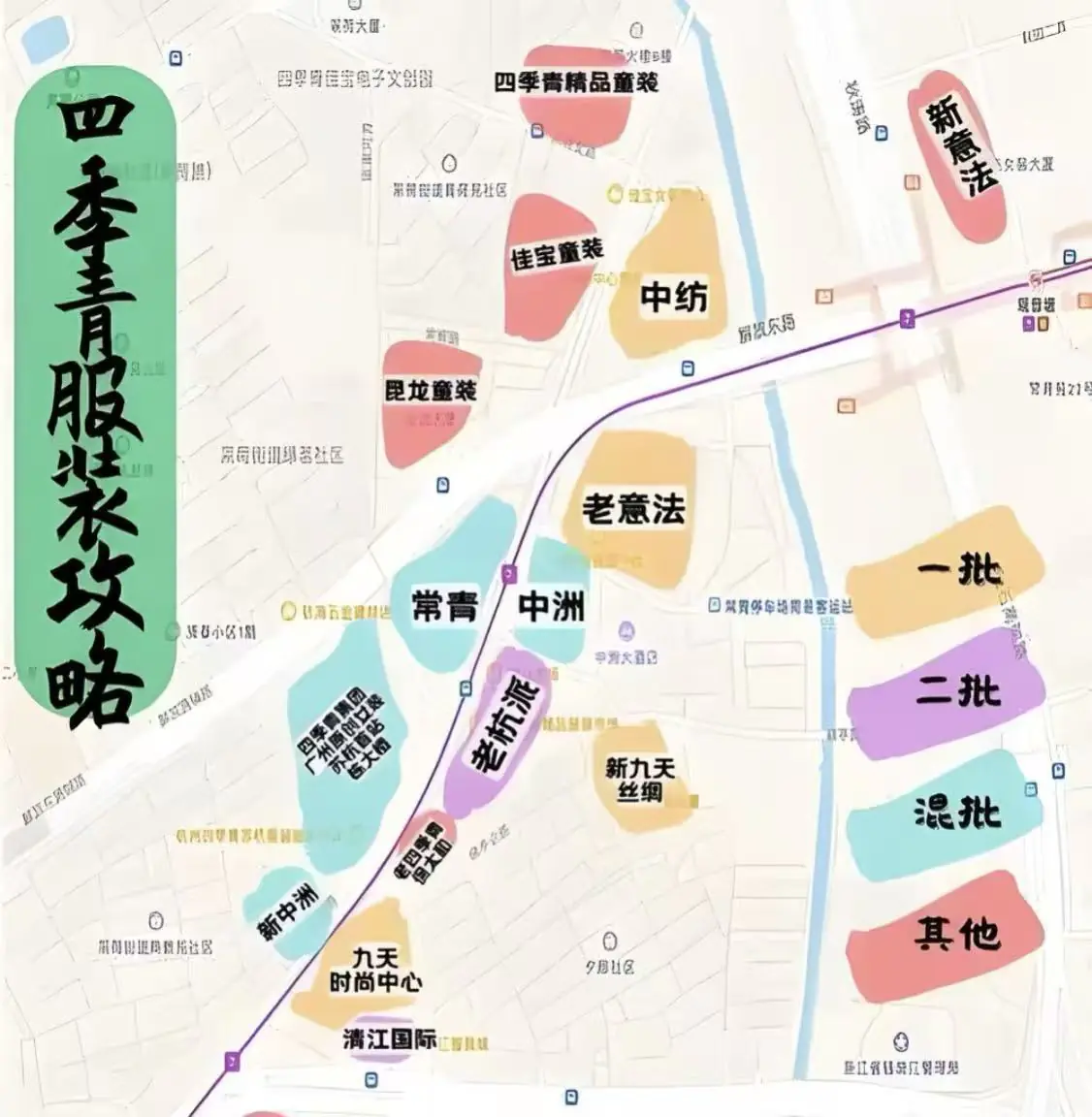
Located in Qingchun Road area, one of East China’s largest wholesale complexes:
- Yifa Clothing Market, New Yifa Market, 9 Yifa Market
- Hangzhou Fashion Centre
- Zhongzhou Fashion Building
- Hangpai Clothing Market
Famous for Korean-style fashion:
- Primary wholesale sections requiring 10-piece minimums
- Secondary wholesale areas accepting individual shoppers
- Known for: Korean-inspired designs, sweet and feminine styles, trendy casual wear
- Popular with younger demographics and online sellers
- Strong presence of Taobao and Douyin sellers sourcing inventory
China Silk City – SPECIALIZED MARKET Hangzhou’s historic silk market in Xinhua Road area:
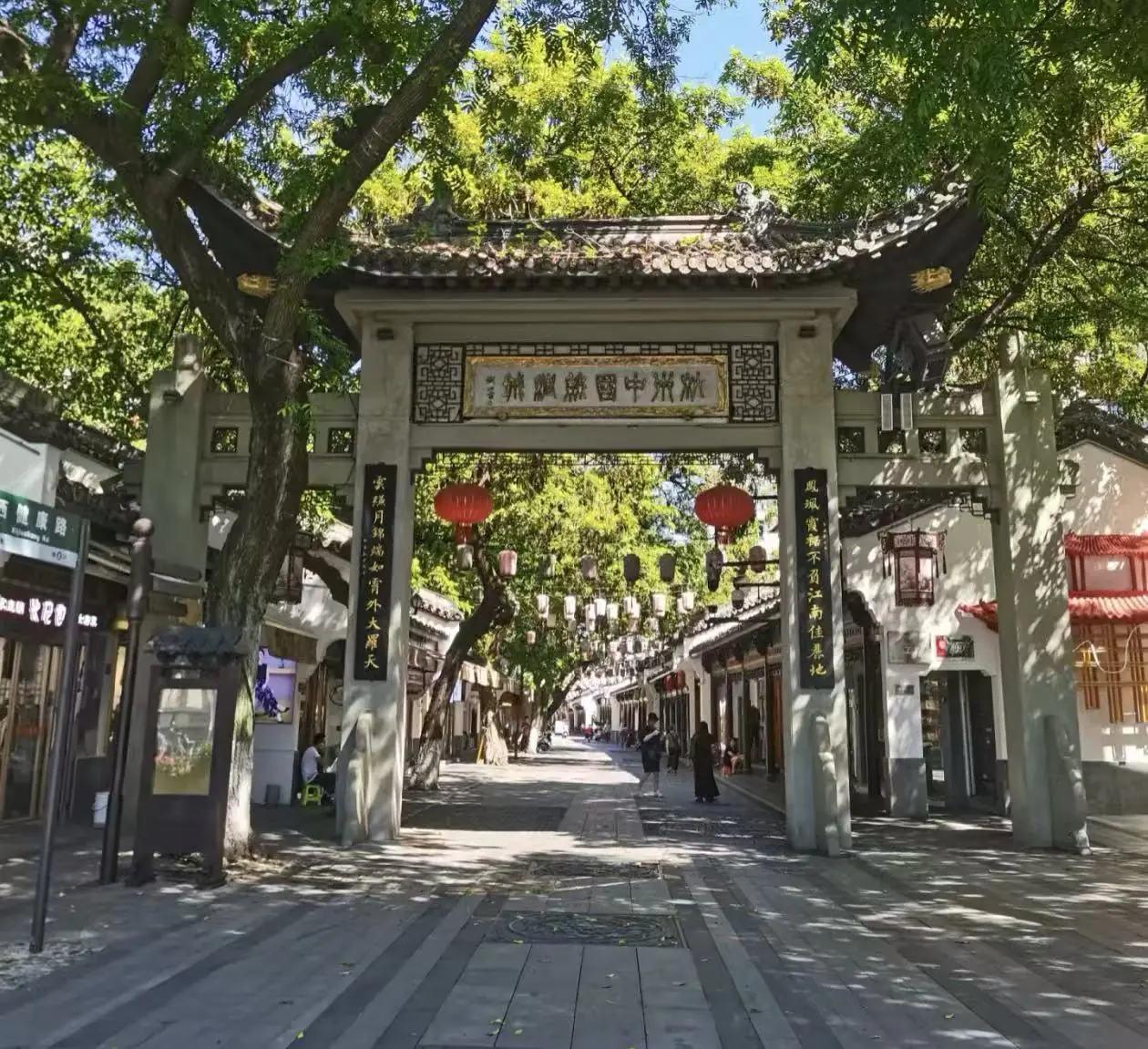
- Multiple buildings dedicated to silk products
- China Silk Market Complex
- Premium silk fabrics, scarves, bedding, clothing
- Most vendors accept small orders
- Accessible to individual buyers seeking authentic Chinese silk
- Quality ranges from affordable to luxury grade
Shaoxing China Textile City – FABRIC WHOLESALE HUB Located in nearby Shaoxing (1 hour from Hangzhou):
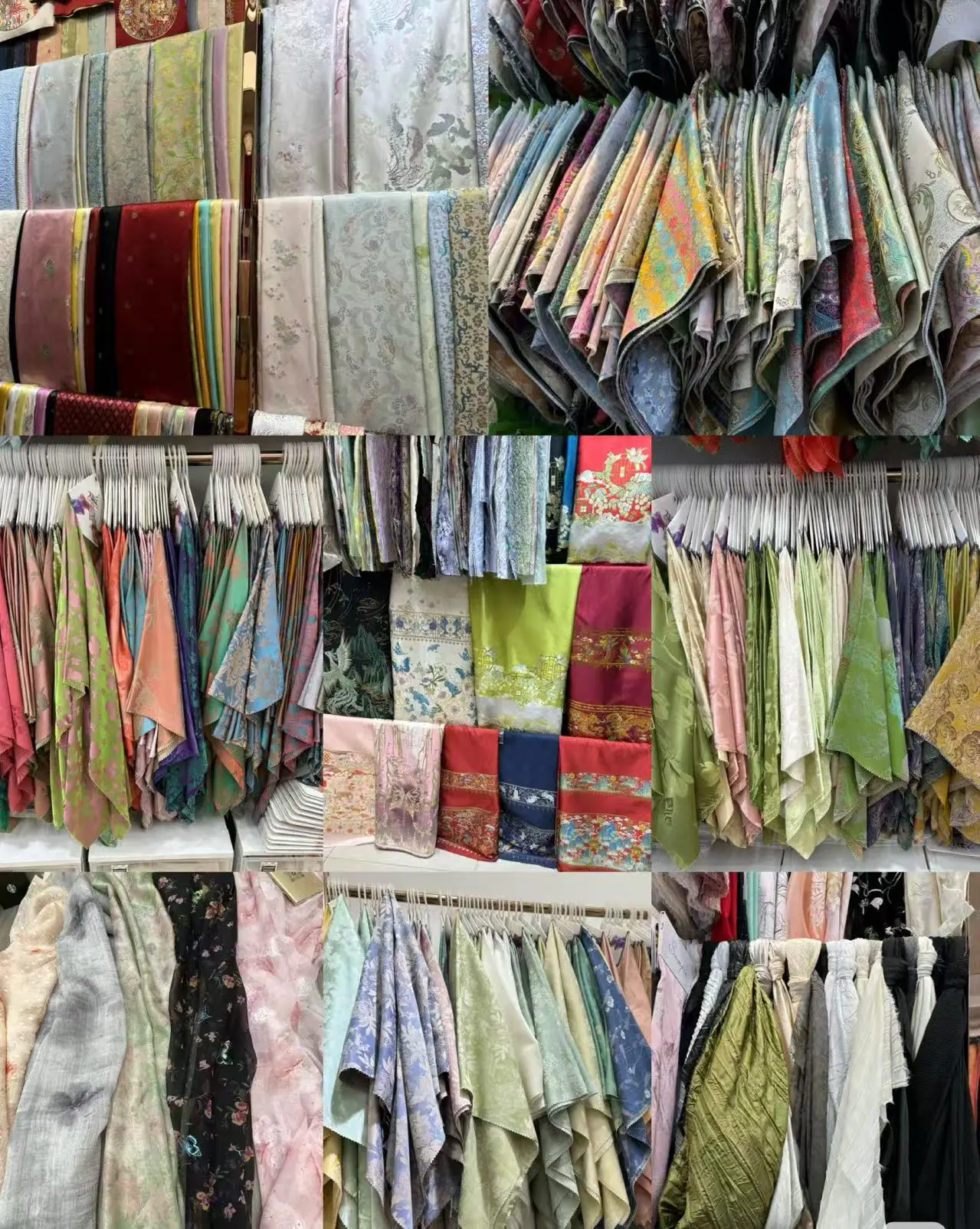
- One of China’s largest fabric distribution centers
- Wide range of textiles and raw materials
- Ideal for buyers who want to source fabrics separately
- Many manufacturers offer fabric-to-garment services
3. Shenzhen-Original design
Nanyou Original Design Market – DESIGNER DISTRICT Located in Shenzhen Nanshan Nanyou First Industrial Zone
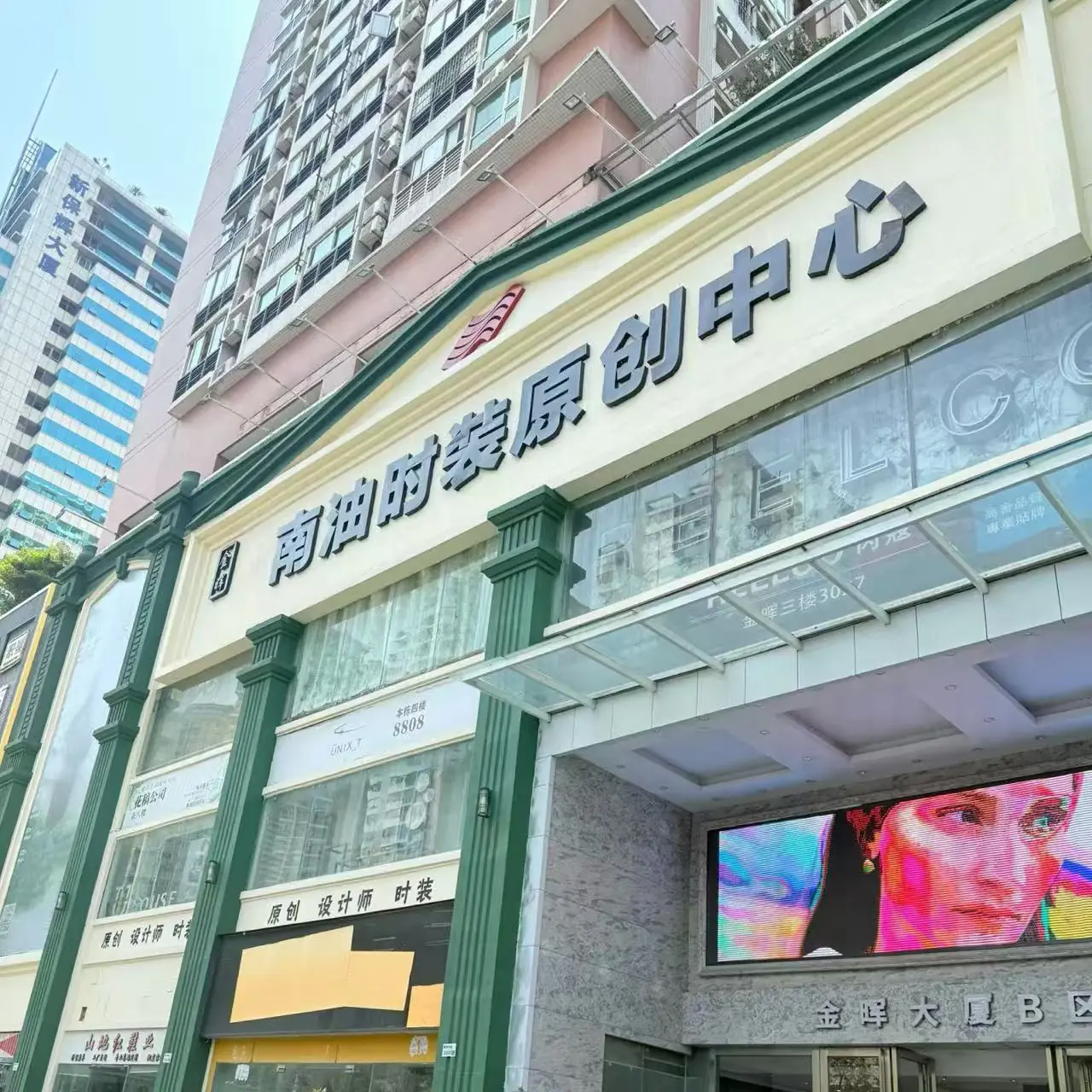
Nanyou is a high-end foreign trade clothing hub and national benchmark for export-quality fashion. The area comprises over ten independent markets:
- Tairong Clothing Wholesale Market
- Jindu Clothing Wholesale Market
- Taili Clothing Wholesale Market
- Tairui Clothing Wholesale Market
- Taicheng Clothing Wholesale Market
- Hongcheng Clothing Wholesale Market
Nanyou specializes in:
- European and American brand-style clothing
- Mid-to-high-end fashion with premium pricing
- Trendy, fashionable designs following latest European/American trends
- Focus on dresses and women’s wear
- Exquisite quality with good workmanship and fabrics
- Original designer pieces and independent brands
- Young Chinese designers with showrooms
The Nanyou district is more of a fashion business district than a traditional wholesale market. Prices are higher than standard wholesale markets but lower than retail, with pieces that are more exclusive and fashion-forward. Best suited for boutique owners seeking distinctive, trend-driven products rather than high-volume sellers.
4. Kunshan, Jiangsu – Cashmere and Wool Coat Headquarters
Kunshan Yangcheng Lake Fashion Center – PRIMARY MARKET
Specialized market focusing exclusively on high-quality cashmere and wool coats:
- Located in Kunshan City, Jiangsu Province (between Shanghai and Suzhou)
- Kunshan International Cashmere Garment Market
- Yangcheng Fashion Plaza
- Direct factory connections for cashmere products
- Primary wholesale requiring larger minimum orders (typically 20+ pieces)
- Best visited in late summer/early fall for winter coat sourcing
- Significant price advantages: 40-60% below retail
- Quality ranges from mid-range to luxury cashmere
- Opens to individual shoppers during clearance seasons (late winter/early spring)
5. Suzhou – Silk and Wedding Dress Capital
Suzhou Oriental Silk Market (Shengze) – SPECIALIZED FABRIC MARKET Located in Shengze Town, Suzhou:
- Major silk and garment fabric wholesale center
- Home textiles and accessories
- Direct access to silk manufacturers
- Competitive prices for bulk fabric orders
Suzhou Wedding Dress City – SPECIALIZED PRIMARY MARKET Located in Huqiu District, Suzhou:
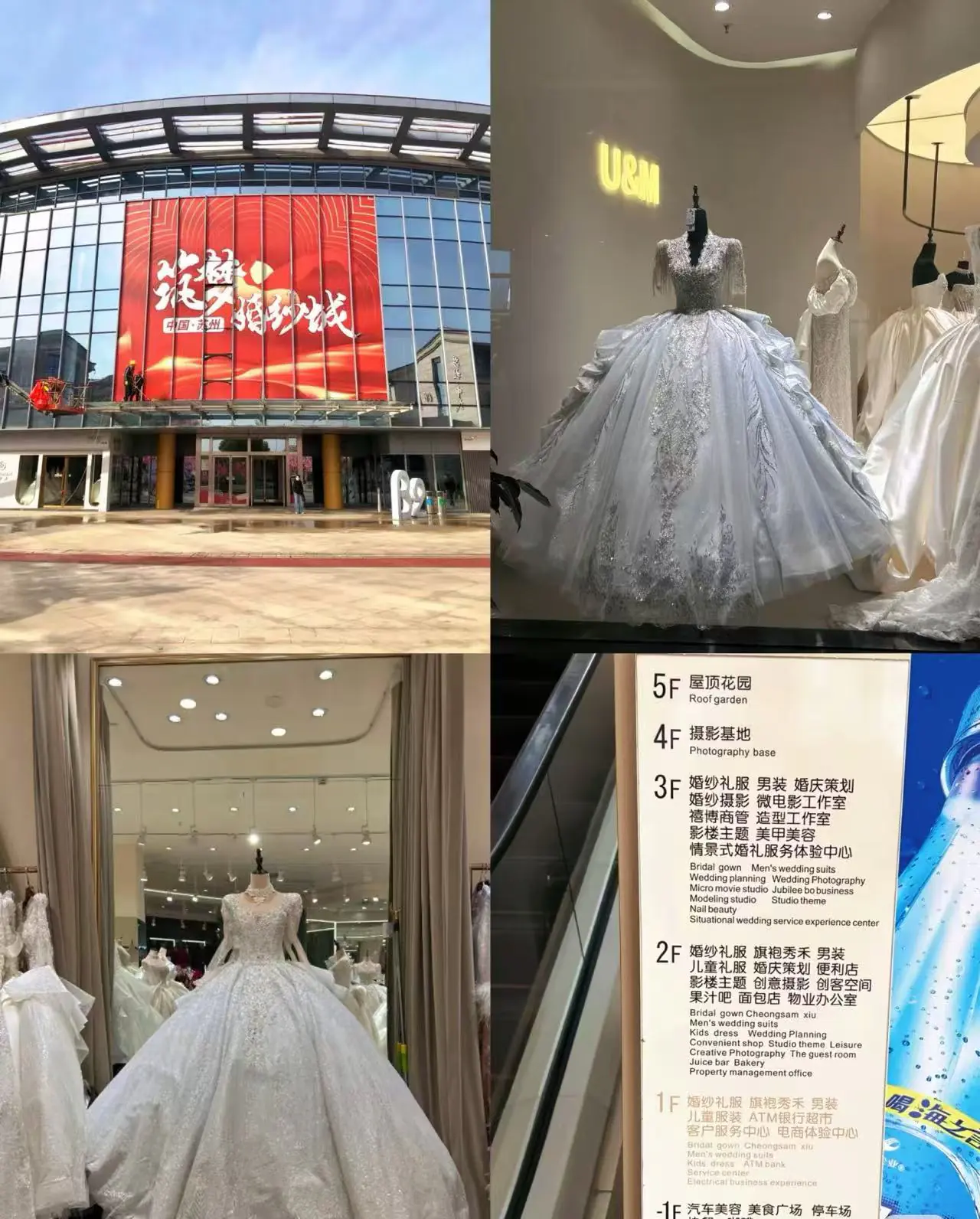
- Suzhou Tiger Hill Wedding Dress Market
- China’s largest wedding dress wholesale center
- Hundreds of factories and showrooms
- Custom wedding dress production available
- Primary wholesale with MOQ typically 5-10 pieces per style
- Also produces for international brands
- Price range: $50-$500 wholesale (retail $500-$5,000)
6. Chaozhou – Wedding Dress Manufacturing Hub
Chaozhou Wedding Dress Market – SPECIALIZED PRIMARY MARKET Located in Chaozhou City, Guangdong Province:
- Chaozhou Wedding Dress and Evening Gown Market
- Specializes in wedding dresses and evening gowns
- Factory-direct pricing
- Strong export business to Southeast Asia and Middle East
- Custom designs and OEM services available
- Lower prices than Suzhou but similar quality
7. Yiwu – Small Commodity and Affordable Clothing Hub
Yiwu Huangyuan Clothing Market – PRIMARY MARKET Part of the famous Yiwu International Trade City:
- Men’s, women’s, children’s clothing
- Sleepwear, jeans, and affordable products
- Known for extremely competitive prices
- Minimum orders required (typically 100-300 pieces per style)
- Best for budget-conscious buyers and volume orders
- Peak seasons: March-May (spring) and September-November (autumn)
- Low activity during Chinese New Year (January-February)
Yiwugo Online Platform
- Official website connecting to physical Yiwu stores
- Browse and contact vendors before visiting
- Lower MOQs available for online orders
Beijing Zoo Wholesale Market Area – SECONDARY MARKET Despite relocation efforts, still operating near Beijing Zoo station:
- Jinkailide Market
- Tianle Market (partially relocated)
- Century Tiandi Market
- Individual shoppers welcome
- Can try on clothes
- Strong in winter outerwear and northern style clothing
- Convenient metro access
Dahongmen Clothing Market – PRIMARY MARKET (Partially Relocated) Many buildings have moved to Tianjin and Hebei, but some remain:
- Dahongmen International Trade Center
- Primarily serves professional retailers with minimum orders
- Best for bulk orders of basic clothing categories
8. Shanghai – Trendy and International
Qipu Road Market (Qipulu) – MIXED MARKET Shanghai’s main wholesale hub in Zhabei District:
- Qipu Road Clothing Market (multiple buildings)
- Asia Building
- Fule Clothing Market
- Features international fashion trends and contemporary styles
- Ground floors: secondary wholesale (individual shoppers welcome)
- Upper floors: primary wholesale (minimum orders required)
- More expensive than Guangzhou but higher quality standards
9. Humen, Dongguan – Denim Capital
Humen Clothing Wholesale Center – PRIMARY MARKET Known as China’s “Garment City”:
- Humen Huanghe Fashion City
- Humen Wealth Clothing Market
- Yinlong Clothing Wholesale Center
- The source for denim, jeans, and casual wear in China
- Primarily serves wholesale buyers with minimum orders
- Direct factory access with best prices for bulk orders
- Strong in children’s clothing and casual wear
- Some secondary markets in the area cater to smaller buyers
10. Changshu, Jiangsu – Down Jacket Wholesale Hub
Changshu Clothing City – PRIMARY MARKET Famous for winter clothing, particularly down jackets:
- Changshu China Merchants City
- Changshu Fashion Center
- Changshu Garment Accessories Market
- Primary wholesale requiring substantial minimum orders (20-50 pieces)
- Best visited in June-August for winter season sourcing
- Excellent factory-direct prices on outerwear
- Clearance sales in late winter/early spring (February-March)
- Opens to individual shoppers during clearance periods
11. Shishi, Fujian – Casual and Sportswear
Shishi International Clothing City – PRIMARY MARKET Coastal manufacturing hub:
- Shishi International Garment City
- Shishi Fashion Trade Center
- Specializes in men’s, women’s, children’s clothing
- Strong in sportswear and casual wear
- Direct factory connections
- Customized production and OEM services available
- Primarily serves professional buyers
12. Other Regional Markets
Zhuzhou Xinhuali Fashion Market – Central/Southern China Hub Located in Zhuzhou, Hunan Province:
- Serves central and southern China regions
- Tech-driven operations and modern facilities
- General garment wholesale
Shijiazhuang Xinhua Trade Center – North China Located in Shijiazhuang, Hebei Province:
- General merchandise including clothing
- Affordable casual and seasonal clothing
- Serves northern provinces
Shenyang Wuai Small Commodity Market – Northeast China Located in Shenyang, Liaoning Province:
- Comprehensive wholesale market
- Budget-friendly clothing for colder provinces
- Winter wear and thermal clothing specialties
Specialized Markets by Product Category
- Silk Products: Hangzhou (China Silk City), Suzhou
- Cashmere & Wool Coats: Kunshan Yangcheng Lake Fashion Center
- Wedding Dresses: Suzhou Tiger Hill Wedding Dress Market, Chaozhou Wedding Dress Market
- Winter Coats & Down Jackets: Changshu Clothing City, Beijing markets
- Denim & Jeans: Humen (Dongguan), Xintang
- Children’s Wear: Zhili (Huzhou), Guangzhou, Humen
- Men’s Suits: Wenzhou, Shanghai
- Sportswear: Jinjiang, Shishi
- Korean-Style Fashion: Hangzhou Sijiqing
- Original Designer Pieces: Guangzhou Nanyou, Shanghai
Best Times to Visit for Individual Shoppers
Regular Shopping (Secondary Markets)
Visit secondary wholesale markets anytime during business hours (typically 9 AM – 5 PM). These markets welcome individual shoppers year-round.
Clearance Shopping (Primary Markets)
Primary wholesale markets open to individual shoppers during:
Chinese New Year Clearance (Late January – February)
- Markets clear spring/summer inventory
- Deep discounts (40-70% off wholesale prices)
- Cannot try on clothes
- All sales final
- Cash preferred
Seasonal Transition Clearance
- Late June – July: Spring/summer clearance
- Late November – December: Fall/winter clearance
- Similar rules: no trying on, final sales
Tips for Shopping Primary vs. Secondary Markets
For Primary Wholesale Markets (Tier 1):
- Bring business documentation if possible (builds trust)
- Prepare to order 10+ pieces: Mixed styles usually acceptable, but same-style orders may require full size runs
- No trying on: Know your measurements precisely
- Bring cash or use WeChat/Alipay: Credit cards rarely accepted
- Build relationships: Return customers get better prices
- Hire an agent: If you don’t speak Chinese, this is essential
- Visit during market hours: Usually 6 AM – 2 PM (markets close early afternoon)
For Secondary Wholesale Markets (Tier 2):
- Try before you buy: Most shops allow fitting rooms
- Negotiate prices: Especially for multiple pieces
- Start with small orders: Test quality before buying in bulk
- More flexible timing: Markets open longer, typically until evening
- Tourist-friendly: More English spoken, vendors more patient with small buyers
Understanding Minimum Order Requirements
Common MOQ Terms:
- Mixed batch: You can mix different styles, colors, sizes
- 10 piece mixed batch: Minimum 10 pieces mixed (can be different items)
- Complete color and size: Full size run (e.g., S/M/L/XL) in all available colors
- Full package: Must buy entire package as supplied by factory
Typical MOQs by Market Type:
- Primary Wholesale: 10-50 pieces minimum per order
- Secondary Wholesale: 3-5 pieces for wholesale price, or single pieces at slightly higher rates
- Factory Direct: 100-1,000+ pieces per style
- Wedding Dresses: 5-10 pieces per style (Suzhou/Chaozhou)
- Cashmere Coats: 20-50 pieces (Kunshan)
How to Buy from China’s Wholesale Markets
Shopping In Person
For Individual Shoppers: Focus on secondary wholesale markets like Shahe in Guangzhou, Sijiqing in Hangzhou, or Beijing Zoo Market. You can buy single pieces or small quantities and try on clothes.
For Professional Buyers: Visit primary wholesale markets during regular business hours with proper minimum orders. Consider attending during trade show periods for best selection.
Online Wholesale Platforms
- 1688.com: Alibaba’s domestic platform (Chinese language) – shows which suppliers are primary wholesalers
- Alibaba.com: International version with English interface
- Made-in-China.com: Another major B2B platform
Working with Agents
Sourcing agents can:
- Access primary wholesale markets on your behalf
- Negotiate better prices (they know market rates)
- Handle quality control and shipping
- Provide translation services
- Consolidate orders from multiple vendors
Frequently Asked Questions
Q: What’s the real difference between primary (Tier 1) and secondary (Tier 2) wholesale markets?
A: Primary wholesale markets buy directly from factories and distribute to the entire market chain. They offer the absolute lowest prices but require minimum orders of typically 10 pieces and don’t allow individual shoppers during regular hours. Secondary wholesale markets buy from primary wholesalers and resell to smaller buyers and individuals. Prices are slightly higher (usually 20-30% more than primary) but you can buy smaller quantities, try on clothes, and shop more casually. Think of primary as B2B (business-to-business) and secondary as B2C (business-to-consumer).
Q: Can I really buy from primary wholesale markets as an individual during clearance seasons?
A: Yes! During Chinese New Year (late January-February) and major seasonal transitions (summer-fall, winter-spring), primary wholesale markets need to clear inventory quickly before new seasons arrive. They temporarily open to individual shoppers, but with strict rules: no trying on clothes, all sales are final, and you must know your sizes accurately. Discounts can be significant (40-70% off already-low wholesale prices), but it’s buying blind—bring accurate measurements or be prepared to buy items that might not fit perfectly.
Q: Why is Guangzhou’s Thirteen Hong considered the most important market?
A: Thirteen Hong (Shisanhang) is the ultimate source market—it’s where retailers from across China come to buy inventory. It sets fashion trends, offers the lowest prices in the country, and has the most comprehensive selection of women’s wear. What sells in Thirteen Hong this week will appear in stores nationwide next month. It’s the heart of China’s fashion distribution network. However, it’s strictly primary wholesale: 10-piece minimums, no individual shoppers during regular hours, and a very fast-paced professional environment.
Q: What makes Hangzhou markets special for Korean-style fashion?
A: Hangzhou, particularly the Sijiqing Market area, has positioned itself as China’s Korean fashion hub. The markets specialize in sweet, feminine, trendy Korean-inspired designs. Many Korean designers and manufacturers have partnerships with Hangzhou suppliers. If you’re looking for that specific aesthetic—romantic, youthful, soft color palettes, feminine details—Hangzhou is your destination. The style is distinctly different from Guangzhou’s more diverse and trend-driven fashion.
Q: Where should I go for wedding dresses wholesale?
A: Suzhou’s Tiger Hill Wedding Dress Market is China’s largest wedding dress wholesale center with hundreds of factories and showrooms. Prices range from $50-$500 wholesale (retail equivalents: $500-$5,000). Chaozhou in Guangdong Province also has a major wedding dress market with slightly lower prices. Both locations offer custom wedding dress production with MOQs typically 5-10 pieces per style. Many international wedding dress brands source from these markets. Visit in spring/summer for best selection of new designs.
Q: Where can I find original designer pieces rather than mass-market fashion?
A: Guangzhou’s Nanyou district is home to many original Chinese designers and independent brands. Unlike typical wholesale markets, Nanyou features showrooms with unique, creative designs you won’t find elsewhere. Prices are higher than standard wholesale markets but lower than retail, and pieces are more exclusive. Shanghai’s French Concession area also has emerging designer showrooms. These locations are better for boutique owners seeking distinctive pieces rather than high-volume sellers.
Q: What’s the best strategy for first-time buyers visiting Chinese wholesale markets?
A: Start with secondary wholesale markets to learn the ropes. Visit Shahe in Guangzhou, Sijiqing in Hangzhou, or Beijing Zoo Market where you can try on clothes, buy small quantities, and get comfortable with the process. Order samples or small batches, test quality and sales in your market, then graduate to primary wholesale markets like Thirteen Hong for better prices on reorders. Don’t rush into large minimum orders until you’ve validated product quality and customer demand.
Q: How much cheaper is primary wholesale compared to secondary wholesale?
A: Primary wholesale prices are typically 20-40% lower than secondary wholesale. For example, if a dress costs 30 RMB at primary wholesale (Thirteen Hong), it might be 40-45 RMB at secondary wholesale (Shahe), and 150-200 RMB at retail. However, primary requires larger orders. Secondary wholesale is still highly profitable—you’re only giving up some margin for the flexibility to buy smaller quantities and test products before committing to bulk orders.
Q: What does “10 piece mixed batch” actually mean in practice?
A: “10 piece mixed batch” means you must buy at least 10 items total, but they can be different styles, colors, and sizes. For example: 2 dresses + 3 tops + 5 pants = 10 pieces qualifying for wholesale prices. This is much more flexible than “complete size/color run” which might require buying one style in all sizes (S/M/L/XL) and all colors (perhaps 5 colors) = 20 pieces of the same design. Always clarify which type of minimum the vendor requires before placing your order.
Q: When is the best time to source winter coats and cashmere products?
A: For winter products, visit markets in summer (June-August) when factories are producing next season’s inventory. Changshu and Kunshan markets have the best selection and freshest styles during this period. If you wait until fall/winter when you actually need coats, selection is limited and prices rise. However, if you’re an individual shopper looking for clearance deals, visit in late winter (February-March) when primary wholesale markets liquidate remaining inventory at deep discounts—just remember you can’t try them on.
Q: Do I need to speak Chinese to shop at primary wholesale markets?
A: Chinese proficiency is highly recommended for primary wholesale markets. These are fast-paced, professional environments where vendors expect efficient communication about quantities, sizes, colors, and prices. Even basic Chinese can be challenging due to industry-specific terminology. Secondary wholesale markets are more foreigner-friendly with vendors accustomed to non-Chinese speakers. If you’re serious about primary wholesale without Chinese language skills, hiring a sourcing agent or translator is not just helpful—it’s essential for successful business transactions.
Q: Can I negotiate prices at wholesale markets?
A: In secondary wholesale markets, yes—negotiation is expected, especially for multiple pieces. Start at 70-80% of the asking price and negotiate from there. In primary wholesale markets, prices are much more fixed because margins are already razor-thin. You might negotiate 2-5% off for very large orders or being a regular customer, but don’t expect significant haggling room. Primary wholesalers make money on volume, not margin, so their prices are already at rock bottom.
Q: What payment methods are accepted at wholesale markets?
A: Primary wholesale markets prefer WeChat Pay, Alipay, or bank transfers—cash is becoming less common for larger orders. Secondary markets accept cash, WeChat Pay, Alipay, and some accept credit cards (though fees may apply). International buyers should set up WeChat Pay or Alipay before visiting, as these are the dominant payment methods throughout China’s wholesale markets. For large orders, vendors may request 30-50% deposit with balance on delivery.
Q: How do shipping and logistics work from wholesale markets?
A: Most wholesale vendors do not handle international shipping—that’s your responsibility. Around every major wholesale district, you’ll find logistics companies and freight forwarders offering domestic and international shipping. They can consolidate purchases from multiple vendors, handle export documentation, and arrange sea or air freight. Guangzhou, Hangzhou, and Shanghai have particularly well-developed logistics networks serving international buyers. Budget approximately 15-30% of product cost for international shipping and customs fees, depending on volume and destination.
Q: Are there hotels near wholesale markets for buyers visiting from outside China?
A: Yes, all major wholesale districts have numerous hotels catering to business buyers. In Guangzhou’s Thirteen Hong/Shahe area, there are dozens of budget to mid-range hotels within walking distance of the markets. Many hotels offer early check-in services since wholesale markets operate from 6 AM-2 PM. Book accommodations near your target markets to maximize shopping time. Hotel staff are usually familiar with wholesale markets and can provide directions, arrange drivers, or even recommend sourcing agents.
Conclusion
Understanding China’s two-tier wholesale system—primary markets (Tier 1) for professional high-volume buyers and secondary markets (Tier 2) for smaller retailers and individuals—is crucial for successful sourcing. Each major city offers distinct specialties: Guangzhou’s Thirteen Hong for trendsetting fashion, Hangzhou Sijiqing for Korean-style clothing, Nanyou for original designer pieces, Kunshan for luxury cashmere coats, and Suzhou/Chaozhou for wedding dresses.
Whether you’re a boutique owner starting with secondary wholesale markets or a professional buyer ready for primary wholesale’s volume requirements and rock-bottom prices, China’s wholesale clothing ecosystem offers unmatched variety and value. Time your visits strategically—summer for winter goods, clearance seasons for individual shopping at primary markets—and you’ll unlock the best selections and prices in the world’s largest apparel manufacturing hub.
Start small, learn the system, build supplier relationships, and gradually scale your sourcing strategy as you gain experience navigating this complex but incredibly rewarding marketplace.
Ivy is a Sourcing Specialist at Sellers Union. She shares hands-on experience in supplier selection, quality control, and market trends to help global wholesalers make informed decisions. Her goal is to simplify the sourcing process and help brands build efficient supply chains in the industry.



 N*******
 A*******
 S******
 P*****
 J***
J*** P****
P**** L******
 N****
N**** E***
E*** Y*******
 M***
M***