






Definitions and responsibilities
In the business world, suppliers and manufacturers are two common roles that play different roles and responsibilities in the product supply chain. First, from the point of view of definition and responsibility, suppliers usually refer to those companies or individuals who provide products or services. Their main responsibility is to provide the required products or services to meet the needs and requirements of the customers. Suppliers can be various types of businesses, including wholesalers, retailers, distributors, etc., who bring products to market and make them available to end users by working with manufacturers or other suppliers.

By contrast, manufacturers are those companies or factories that produce products. The main responsibility of a manufacturer is to convert raw materials or semi-finished products into finished products, which are manufactured through production processes and technologies. Manufacturers usually own production equipment, factories and production lines, and they are responsible for the design, production, quality control and delivery of products. A manufacturer can be a private label manufacturer or a contract manufacturer that manufactures products for other companies.
Suppliers and manufacturers play an indispensable role in business activities and have a close cooperative relationship with each other. By providing products or services, suppliers help manufacturers bring products to market and meet customer needs. Manufacturers rely on suppliers to provide raw materials, parts or other necessary products to ensure the normal operation of the production line and the stability of product quality. Therefore, the cooperative relationship between suppliers and manufacturers is interdependent, and collaboration and communication between each other is crucial.
In general, suppliers and manufacturers play their respective roles in the business ecosystem and together constitute a complete product supply chain. The supplier is responsible for the introduction and distribution of the product, and the manufacturer is responsible for the production and manufacture of the product. Their cooperation and collaboration have provided strong support for the production and sales of products, and promoted the development of business and economic prosperity. By understanding and differentiating the different roles and responsibilities of suppliers and manufacturers, businesses can better manage their supply chains, increase efficiency, meet customer needs, and achieve business success.
Product ownership
In business, suppliers and manufacturers play different roles in the product supply chain, and one of the important differences is product ownership. Suppliers usually do not own the product, they simply provide the product or service to the customer, and do not have any equity in the product. The main responsibility of the supplier is to provide the required products or services to meet the needs and requirements of the customer. Suppliers may be wholesalers, retailers, distributors, etc., who bring products to market and make them available to end users by working with manufacturers or other suppliers.
In contrast, manufacturers own the product and they are responsible for producing and selling it. By converting raw materials or semi-finished products into finished products, the manufacturer has ownership of the product and has the right to determine how the product is sold and at what price. Manufacturers usually own production equipment, factories and production lines, and they are responsible for the design, production, quality control and delivery of products. Manufacturers can be private label producers or contract manufacturers who manufacture products for other companies, but in any case, they are responsible for the ownership of the product.
The difference of product ownership affects the relationship of power and responsibility and profit distribution between suppliers and manufacturers in business activities. Since suppliers do not own the product, they usually make a profit by selling the product or service to the customer, but are influenced by the manufacturer in the pricing and sale process of the product. As the owner of the product, the manufacturer can decide the production cost, selling price and market positioning of the product, which affects the profitability of the supplier. Manufacturers make profits by producing and selling products, because they own the product and can directly benefit from the sale of the product.
Overall, product ownership is one of the important differences between suppliers and manufacturers, affecting their position and role in the supply chain. By providing products or services, suppliers help manufacturers introduce products to the market and meet customer needs, while manufacturers have ownership of the products and are responsible for the production and sale of the products. By understanding and differentiating the differences in product ownership, companies can better manage the supply chain, coordinate partnerships, maximize the benefits of both parties, and drive business development and success.
Production capacity
In the business world, suppliers and manufacturers play different roles in the product supply chain, and one of the significant differences is production capacity. Suppliers usually do not have production capacity, they mainly work with manufacturers to provide products or services to customers. Suppliers may be wholesalers, retailers, distributors, etc., whose primary responsibility is to bring the product to market and make it available to the end user, rather than to produce the product through their own production capacity.
In contrast, manufacturers have production capacity and can produce their own products. Manufacturers usually have production equipment, factories and production lines, they are responsible for converting raw materials or semi-finished products into finished products, through production processes and technologies to produce products. Manufacturers can not only independently control the production process and quality, but also flexibly adjust and produce according to market demand and product design. The production capacity of the manufacturer directly affects the supply, quality and delivery time of the product and plays a crucial role in the stability and efficiency of the entire supply chain.
The difference in production capacity also affects the position and value of suppliers and manufacturers in business activities. By cooperating with manufacturers, suppliers can use the production capacity of manufacturers to provide products, meet customer needs, and expand market share. The main advantage of suppliers lies in market access and customer relationships, rather than production capacity. By having their own production capacity, manufacturers can better control product quality, production costs and delivery time, and improve competitiveness and market share.
Overall, production capacity is one of the important differences between suppliers and manufacturers, directly affecting their roles and responsibilities in the supply chain. Suppliers focus on market channels and customer relationships by cooperating with manufacturers to provide products; Manufacturers focus on production capacity, through their own production equipment and technology to produce products. By understanding and differentiating the differences in production capacity, companies can better plan and manage the supply chain, improve efficiency and competitiveness, and achieve business success and sustainable development.
Product customization
In the business world, suppliers and manufacturers play different roles in the product supply chain, and one of the notable differences is product customization. Suppliers typically offer standardized products or services and are less able to customize them. Suppliers may be wholesalers, retailers, distributors, etc., who mainly work with manufacturers to provide products to customers, usually providing standard products that are common in the market and cannot be customized according to the individual needs of customers.
In contrast, manufacturers can customize products according to customer needs and provide customized products. Manufacturers have the production capacity and technology to produce according to the specific requirements and designs of customers, and produce customized products that meet the needs of customers. Manufacturers usually have flexible production processes and technologies that can be adjusted and customized according to customer needs to provide personalized product solutions.
The difference in product customization also affects the market competitiveness and customer satisfaction of suppliers and manufacturers in business activities. The standardized products offered by suppliers are usually relatively low priced and suitable for mass market needs, but cannot meet the individual needs of customers. Through product customization, manufacturers can provide customized products that meet customer needs, increase the added value and competitive advantage of products, and improve customer satisfaction and loyalty. Customers can customize products according to their own needs, and get a better use experience and satisfaction.
In general, product customization is one of the important differences between suppliers and manufacturers, which directly affects their performance in market competition and customer service. Suppliers focus on providing standardized products or services to meet mass market needs; Manufacturers focus on product customization, providing personalized product solutions according to customer needs. By understanding and differentiating the differences in product customization, enterprises can better meet customer needs, improve market competitiveness, and achieve business success and sustainable development.
Quality control
In the business world, suppliers and manufacturers play different roles in the product supply chain, and one of the significant differences is quality control. The supplier is usually responsible for providing the product or service, but quality control may be the responsibility of the manufacturer. Suppliers may be wholesalers, retailers, distributors, etc., who mainly cooperate with manufacturers to provide products to customers, but usually rely on the manufacturer’s quality management system for product quality control.
In contrast, the manufacturer is responsible for producing the product and will usually have a more stringent quality control system. Manufacturers have the production capacity and technology to control every link in the production process to ensure that product quality meets standards and customer requirements. Manufacturers usually establish a sound quality management system, including quality control processes, quality testing equipment, quality management personnel, etc., to ensure stable and reliable product quality.
The difference in quality control also affects the performance of suppliers and manufacturers in terms of market competition and customer satisfaction. The quality of the products provided by the supplier is affected by the manufacturer, and if the manufacturer’s quality control is not strict or there are problems, it may affect the supplier’s reputation and customer satisfaction. By establishing a strict quality control system, manufacturers can ensure the stability of product quality, improve customer trust and satisfaction, and enhance market competitiveness.
Overall, quality control is one of the important differences between suppliers and manufacturers, which directly affects their performance in terms of product quality and customer service. The supplier focuses on providing the product or service, but quality control may be the responsibility of the manufacturer; The manufacturer, in turn, is responsible for producing the product, often establishing stricter quality control systems. By understanding and differentiating the differences in quality control, enterprises can better manage product quality, improve customer satisfaction, enhance market competitiveness, and achieve business success and sustainable development.
Supply chain management
In the business world, suppliers and manufacturers play different roles in supply chain management, and one of the significant differences is their position and responsibility in the supply chain. Suppliers are usually part of the supply chain and are responsible for providing products or services to customers. Suppliers may be wholesalers, retailers, distributors, etc., who participate in the circulation of the supply chain by working with manufacturers or other suppliers to provide products or services to the end customer.
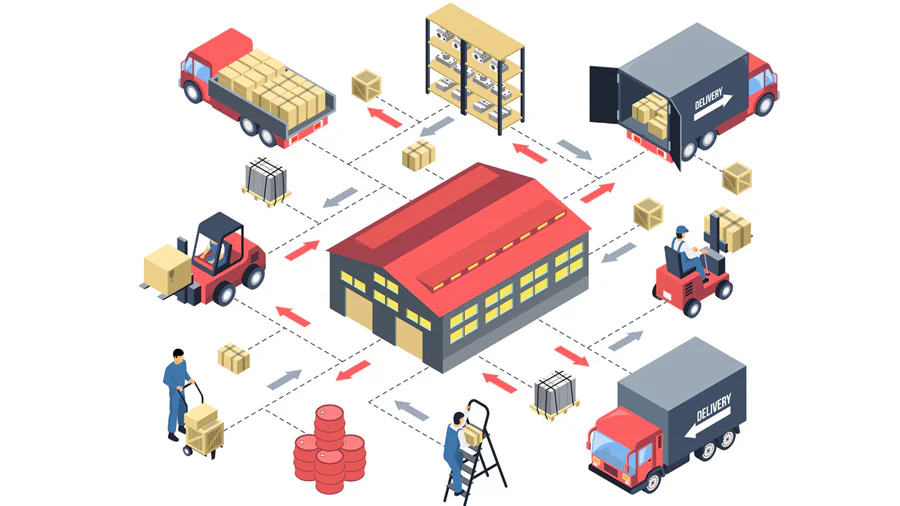
In contrast, manufacturers play a more important role in the supply chain, responsible for producing and supplying products. Manufacturers have the production capacity and technology to produce products according to market demand and make them available to customers through the supply chain. Manufacturers usually control the production process, inventory management, logistics distribution and other links to ensure that products are supplied to customers on time and in quantity, playing a core role in the supply chain.
The differences in supply chain management also affect the performance of suppliers and manufacturers in terms of supply chain efficiency and customer satisfaction. Suppliers participate in a part of the supply chain, and their supply capacity and efficiency are subject to the influence of manufacturers or other suppliers, which may affect the operational efficiency of the entire supply chain. As the core of the supply chain, the manufacturer controls the production and supply process of the product, which can better manage all aspects of the supply chain, improve the efficiency and flexibility of the supply chain, and meet the needs of customers.
Overall, supply chain management is one of the important differences between suppliers and manufacturers, directly affecting their performance in terms of supply chain efficiency and customer service. Suppliers participate as part of the supply chain and are responsible for providing products to customers; Manufacturers play a more important role in the supply chain, responsible for the production and supply of products. By understanding and distinguishing the differences of supply chain management, enterprises can better coordinate all aspects of the supply chain, improve the efficiency and flexibility of the supply chain, enhance market competitiveness, and achieve business success and sustainable development.
Profit distribution
In the field of business, there is a clear difference between suppliers and manufacturers in the distribution of profits, which directly affects their role in the supply chain and the source of profits. Suppliers usually make their profits by selling products or services to customers. Suppliers may be wholesalers, retailers, distributors, etc., who source products from manufacturers or other suppliers and then sell them to the end customer at a higher price, from which they make a profit. The profit of suppliers mainly comes from the price difference of products and sales services.
In contrast, manufacturers make a profit by producing and selling their products. Manufacturers have the production capacity and technology to produce products according to market demand and sell them directly to customers for profit. The profit of the manufacturer mainly comes from the difference between the production cost and the selling price of the product, and the profit is maximized by controlling the production cost and raising the selling price.
The difference in profit distribution also affects the performance of suppliers and manufacturers in terms of business competition and profitability. Suppliers obtain profits by selling products or services, and their profitability is affected by market demand and competition, and may be exposed to price fluctuations and market risks. Manufacturers obtain profits by producing and selling products, can improve profitability by controlling production costs and improving product quality, but also face the challenges of production risks and market demand fluctuations.
In general, profit distribution is one of the important differences between suppliers and manufacturers, which directly affects their performance in terms of business competition and profitability. Suppliers earn profits from the sale of products or services; Manufacturers make profits by producing and selling their products. By understanding and distinguishing the difference in profit distribution, enterprises can better formulate profit strategies, improve profitability, enhance market competitiveness, and achieve business success and sustainable development.
Brand ownership
In the business world, there is a clear distinction between suppliers and manufacturers in terms of brand ownership, which directly affects their positioning and influence in the market. Suppliers usually do not own the brand of the product, but simply provide the product. Suppliers may be wholesalers, retailers, distributors, etc., who source products from manufacturers or other suppliers and then sell them to the end customer under their own name, but do not own the brand ownership of the products. The main task of a supplier is to provide a product or service, not to build a brand image.
In contrast, a manufacturer may have its own brand or may manufacture products for other companies. Manufacturers usually have the production capacity and technology to produce products according to their brand image and sell them directly to customers. By establishing their own brand image, manufacturers enhance the market awareness and competitiveness of their products, so as to occupy a place in the market. In addition, some manufacturers also manufacture products for other companies, in which case the manufacturer may not have brand ownership of the product, but still play an important production role.
The difference in brand ownership also affects the performance of suppliers and manufacturers in marketing and brand building. Suppliers usually rely on the manufacturer’s brand image and product quality to attract customers, and their market influence is limited by brand ownership. By establishing their own brand image and marketing activities, manufacturers can better attract customers, enhance product market awareness and competitiveness, and achieve long-term brand development.
Overall, brand ownership is one of the important differences between suppliers and manufacturers, which directly affects their positioning and influence in the market. The supplier usually does not own the brand of the product; The manufacturer may have its own brand name or may manufacture products for other companies. By understanding and distinguishing the differences in brand ownership, enterprises can better develop marketing strategies, enhance brand influence, enhance market competitiveness, and achieve business success and sustainable development.
Partnerships
In the field of business, there is a clear difference between suppliers and manufacturers in terms of partnership, which directly affects their roles and cooperation models in the supply chain. Suppliers usually form partnerships with customers to provide products or services. Suppliers may be wholesalers, retailers, distributors, etc., who establish cooperative relationships with customers by providing products or services to meet customer needs and maximize the interests of both parties. The main task of suppliers is to provide customers with the required products or services and establish long-term stable cooperative relations.
In contrast, manufacturers establish partnerships with suppliers, customers, etc., and are responsible for producing products. Manufacturers have the production capacity and technology to produce products according to market demand, and establish cooperative relationships with suppliers, customers, etc., to jointly promote the production and sales of products. Cooperation between manufacturers and suppliers usually involves raw material procurement, production planning, quality control and other aspects, through cooperation to achieve the improvement of production efficiency and product quality. Cooperation with customers includes product customization, marketing, after-sales service, etc., to jointly meet customer needs and enhance market competitiveness.
The differences in partnerships also affect the performance of suppliers and manufacturers in supply chain management and market expansion. By establishing partnerships with customers, suppliers can better understand customer needs, provide customized products or services, enhance customer loyalty, and achieve sales growth. By establishing cooperative relations with suppliers and customers, manufacturers can optimize the production process, reduce production costs, improve product quality, enhance market competitiveness, and realize the efficient operation of the supply chain.
In general, partnerships are one of the key differentiators between suppliers and manufacturers, directly affecting their performance in supply chain management and market expansion. Suppliers usually establish cooperative relationships with customers; Manufacturers establish cooperative relationships with suppliers, customers, etc., to jointly promote the production and sales of products. By understanding and differentiating the differences between partnerships, companies can better develop cooperation strategies, optimize supply chain management, enhance market competitiveness, and achieve business success and sustainable development.
Business model
Suppliers and manufacturers have different business models in the business field, which directly affects their role in the market and the way they operate. The business model of a supplier is mainly to provide a product or service and establish a partnership with the customer. Suppliers may be wholesalers, retailers, distributors, etc., who make a profit by purchasing products or services and reselling them to customers. The main task of suppliers is to meet customer needs, establish long-term and stable cooperative relations, and provide quality products or services to win customer trust and loyalty.
In contrast, the business model of a manufacturer is mainly to produce products, which may be operated through contract manufacturing, private label, etc. Manufacturers have the production capacity and technology to produce products according to market demand and sell them through their own brands or contract manufacturing. Manufacturers may have their own brand, through the establishment of brand image and marketing activities to enhance the market recognition and competitiveness of the product. In addition, some manufacturers also manufacture products for other companies, in which case the manufacturer may not own the brand of the product, but still play an important production role.
Differences in business models also affect the performance of suppliers and manufacturers in terms of market positioning and profit models. Suppliers profit by providing products or services, building partnerships, achieving sales growth and increasing customer loyalty. Manufacturers make profits by producing products, establishing brand image, enhancing market awareness and competitiveness, achieving sales growth and expanding market share.
Overall, the business model is one of the important differences between suppliers and manufacturers, directly affecting their role and how they operate in the market. The supplier’s business model is mainly to provide products or services and establish cooperative relations with customers; The business model of the manufacturer is mainly to produce products, which may be operated through contract manufacturing, private brand, etc. By understanding and distinguishing the differences of business models, enterprises can better formulate business strategies, optimize operating models, enhance market competitiveness, and achieve business success and sustainable development.

Ivy is a Sourcing Specialist at Sellers Union. She shares hands-on experience in supplier selection, quality control, and market trends to help global wholesalers make informed decisions. Her goal is to simplify the sourcing process and help brands build efficient supply chains in the industry.










 R****
R**** E*****
 V******
 E******
 C*******
 B******
 D*******
 M******
 B******
 O***
O*** Y***
Y***