











Introduction to Importing Kitchenware Through Yiwu Agent
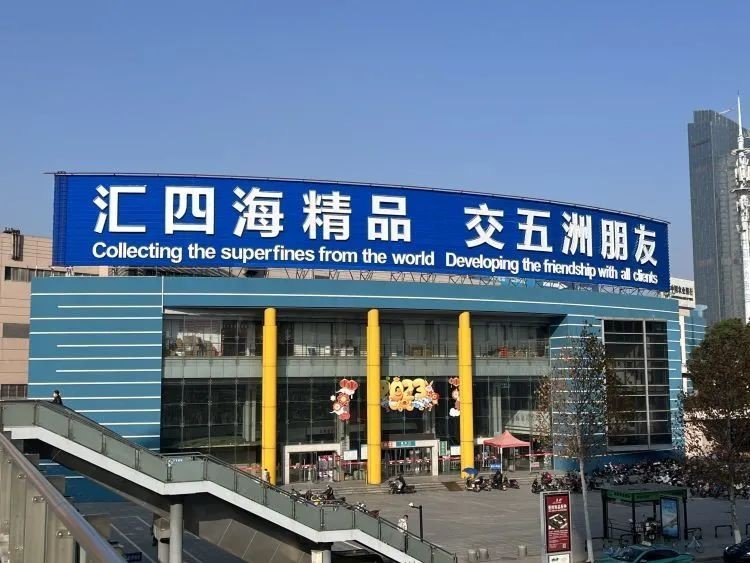
Yiwu, located in the eastern part of China’s Zhejiang Province, is one of the world’s largest wholesale markets for small commodities and is particularly known for its International Trade City. Since the late 1980s, Yiwu has become an important hub for global trade, attracting millions of domestic and international buyers and suppliers every year. The Yiwu International Trade City is divided into a number of zones covering a wide range of categories from daily necessities to high-end electronic products, with kitchenware as one of the key categories with a large selection of suppliers and products.
Yiwu’s global trade centre plays an important role in the global market, not only as a place for the circulation of goods, but also as an important platform for international trade cooperation and innovation. Its wide range of goods, diverse quality and competitive prices make it the preferred destination for many international buyers.
Importing kitchenware through Yiwu agency brings multiple benefits, mainly in terms of cost-effectiveness and supply chain diversity. Firstly, Yiwu, with its huge market scale and resource integration capability, makes the product price relatively low and the procurement cost more controllable. Secondly, Yiwu gathers suppliers from all over the world, which can provide a wide range of product choices and supplier choices to meet the needs and quality requirements of different buyers.

Pre-Import Preparations
Choosing a reliable Yiwu agent is the key to successful importation. Buyers can find a suitable agent through various ways, such as online platforms, industry exhibitions and word-of-mouth recommendations. When choosing an agent, you need to consider its influence and reputation in the Yiwu market, whether it has rich sourcing experience and a stable service team. In addition, the agent’s professional ability and communication ability is also an important consideration. Whether it can effectively communicate and coordinate the upstream and downstream of the supply chain directly affects the smoothness of the import process and the final cost.
When preparing to import kitchenware, buyers need to understand and prepare the necessary import documents and certificates. Key documents include commercial invoices, packing lists, transport contracts, import licences and certificates of compliance with quality standards in the destination country or region. These documents are important for smooth customs clearance and product quality assurance, so it is important to fully understand the laws and regulations of the target market and import requirements during the preparation stage to ensure that the documents are complete and compliant.
Before importing kitchenware, buyers need to make a detailed budget and financial plan. The budget should include product costs, transport costs, agency fees, tariffs and taxes, and other expenses. Through detailed budget analysis and financial planning, buyers can assess the economic feasibility and risks of the project, develop a reasonable financing plan, and flexibly respond to possible economic changes and unforeseen expenditures during the import process.
Understanding Yiwu’s Trade City Layout
A well-arranged market visit programme in Yiwu is crucial to sourcing success. Buyers can make a detailed market visit itinerary, specify the time and place to visit suppliers, and reasonably arrange the time for product discussions and business negotiations. In the large and complex Yiwu market, planned market navigation and supplier screening can help buyers efficiently locate and select quality products and suppliers.
During market visits, buyers should prioritise products and suppliers according to their needs and market trends. First identify and prioritise high-demand kitchenware products, and then assess suppliers’ reputation, production capacity and product quality. With a sound prioritisation strategy, buyers can ensure that they select the most suitable suppliers to meet market demand and ensure the quality of their purchases.
Networking and Building Relationships
Good networking skills are key to a buyer’s success when establishing business relationships with suppliers. Buyers can establish and maintain effective communication and co-operative relationships with suppliers in a variety of ways, such as face-to-face interactions, emails, phone calls and online social platforms. Effective communication and close co-operative relationships help build mutual trust, reduce misinformation and enhance supply chain transparency and efficiency.
Establishing long-term and stable business ties with suppliers is a key factor for buyers to maintain supply chain stability and sustainability. Buyers can enhance their willingness to co-operate and loyalty with suppliers through regular liaison and support, timely problem solving and feedback. In addition, active participation in suppliers’ events and promotions strengthens the cooperative relationship between the two parties and contributes to further business expansion and market competitiveness.
Utilizing Yiwu Agent Resources
Yiwu agents provide seat support and services that can effectively enhance the efficiency and effectiveness of buyers’ operations in the marketplace. Agents usually provide services including market navigation, supplier recommendation, translation and cultural exchange support to help buyers integrate into the market and find suitable suppliers more quickly. Buyers should make full use of agents’ services to optimise their sourcing strategy and decision-making process to achieve the best business results.
In the process of importing kitchenware, buyers can achieve product research, supplier comparison and digital communication through the use of various online platforms and applications. Through these technological means, buyers can obtain market information and suppliers’ product information more quickly and accurately, strengthen digital communication with agents, enhance the efficiency of information transfer and feedback, and help reduce unnecessary waste of time and resources.
Negotiation Tactics with Suppliers
When negotiating with suppliers, buyers need to be equipped with effective negotiation strategies to obtain favourable purchasing conditions and contract terms. Understanding market price trends and suppliers’ pricing strategies, and mastering flexible negotiation skills and tactics can help buyers reach a mutually satisfactory agreement during negotiations, ensuring economic efficiency and quality standards in sourcing.
Understanding and respecting the nuances of Chinese business culture and business etiquette is critical to building good relationships with suppliers. Buyers should actively understand and integrate into the local business culture by working closely with suppliers to build a working relationship of mutual trust and respect, which contributes to a strong and sustainable long-term partnership.
Post-Import Follow-Up
After importing kitchenware, buyers need to organise and analyse contact information with suppliers effectively. Establishing a comprehensive supplier database and supply chain management system helps buyers to manage and evaluate supplier performance in a timely manner and provides reliable data support for future purchasing decisions. Classifying and storing supplier information and developing an effective supplier evaluation and performance appraisal system can help buyers optimise the management and operational efficiency of their supply chain.
Maintaining long-term and stable business relationships with suppliers is a key factor for buyers to stay ahead of the competition in the market. Buyers can strengthen interaction and trust with suppliers through regular follow-up communication and support, solve problems and feedback, and jointly explore new opportunities and development directions for business co-operation. Establishing and implementing best practices in supplier relationship management can help to improve the efficiency and quality standards of cooperation and promote mutual business development.

Ivy is a Sourcing Specialist at Sellers Union. She shares hands-on experience in supplier selection, quality control, and market trends to help global wholesalers make informed decisions. Her goal is to simplify the sourcing process and help brands build efficient supply chains in the industry.





 S****
S**** H*******
 W****
W**** W****
W**** F***
F*** G******
 T****
T**** I*******
 E*******
 R****
R**** D******
 X******