











In the competitive world of kitchenware sourcing, securing favorable terms with manufacturers can make or break your business. Whether you’re an established retailer, a startup e-commerce brand, or a restaurant chain looking for custom equipment, negotiating effectively with a kitchenware factory requires more than just basic haggling skills. The difference between a mediocre deal and an exceptional one often lies in preparation, relationship-building, and understanding the nuances of manufacturing economics. With global supply chains becoming increasingly complex and consumer demands constantly evolving, buyers need strategic approaches to ensure they get high-quality products at competitive prices while maintaining reliable production timelines. This comprehensive guide reveals five powerful strategies to help you negotiate the best possible deals with kitchenware factories, covering everything from initial research to long-term partnership development.
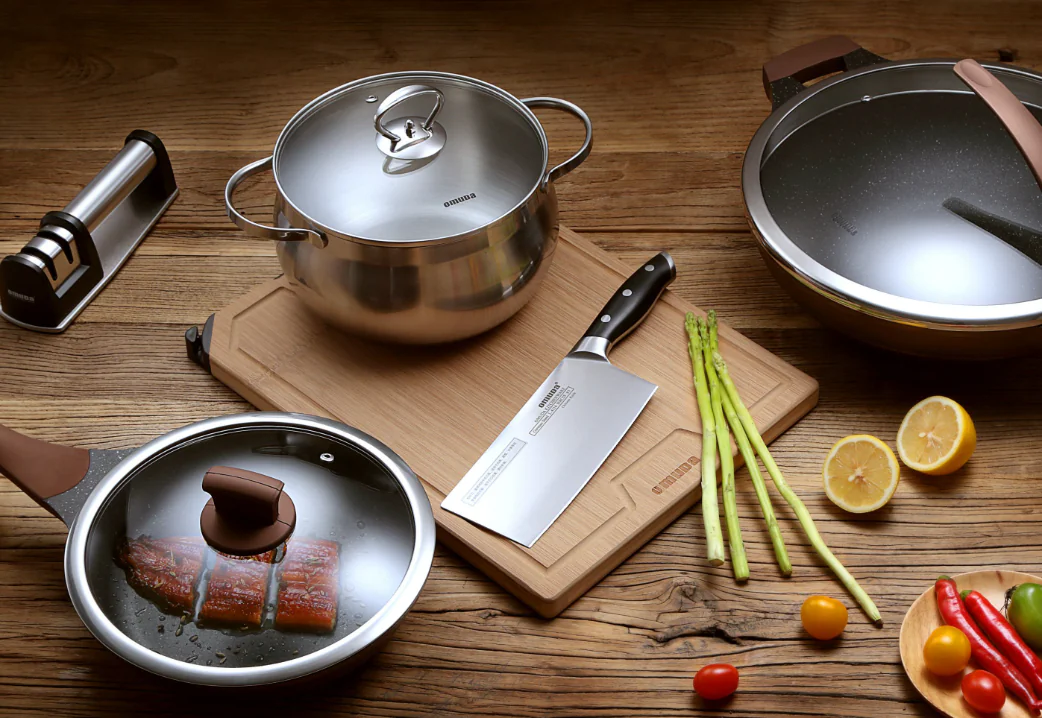
Conduct Comprehensive Due Diligence Before Initial Contact
The foundation of successful negotiations with any kitchenware factory begins long before the first price discussion. Savvy buyers invest significant time in researching potential manufacturing partners, examining their production capabilities, quality control processes, and market reputation. Start by analyzing the factory’s specialization—some excel in stainless steel products while others focus on ceramic or silicone kitchenware. Review their client portfolio to understand if they regularly work with businesses of your scale and market positioning. Third-party verification through platforms like Alibaba’s Gold Supplier program or independent audit reports can provide valuable insights into their operational standards. Importantly, understand regional manufacturing differences—a kitchenware factory in Guangdong may offer different advantages compared to one in Zhejiang or Fujian province. This preparatory work enables you to approach negotiations with specific knowledge about what the factory can realistically deliver, allowing you to craft proposals that align with their strengths while meeting your business needs.
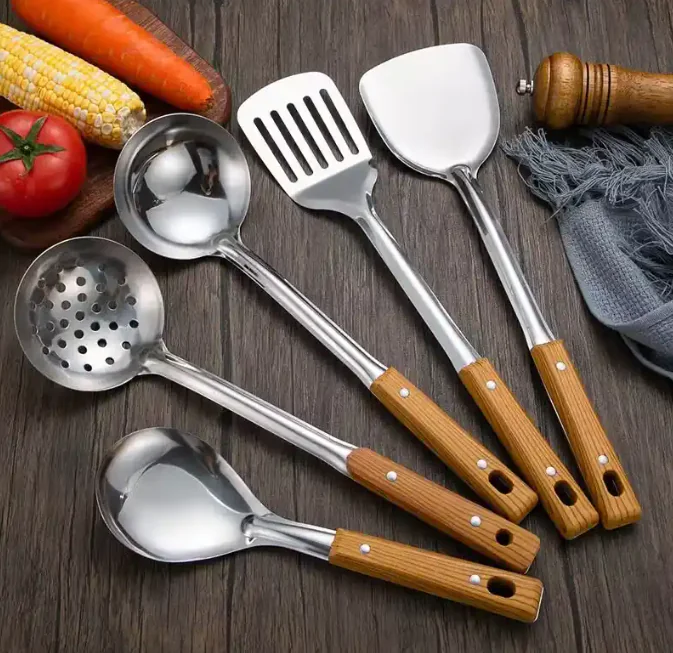
Develop Crystal Clear Technical Specifications
One of the most common pitfalls in dealing with a kitchenware factory is ambiguous product requirements that lead to misunderstandings and costly revisions. Before initiating serious negotiations, prepare exhaustive technical documentation including detailed CAD drawings, material specifications, finish requirements, and packaging guidelines. For custom items, consider investing in 3D renderings or physical prototypes to eliminate interpretation errors. Specify every critical dimension, weight tolerance, and performance characteristic—whether it’s the heat resistance of silicone baking molds or the dishwasher safety of ceramic dinnerware. Professional buyers often create comprehensive specification sheets that include testing protocols, such as FDA food contact compliance or LFGB certification requirements for European markets. Presenting these details upfront demonstrates your professionalism and enables the kitchenware factory to provide accurate quotes while reducing the likelihood of expensive mid-production changes. This level of preparation frequently results in better pricing as factories can calculate costs more precisely when all variables are defined.
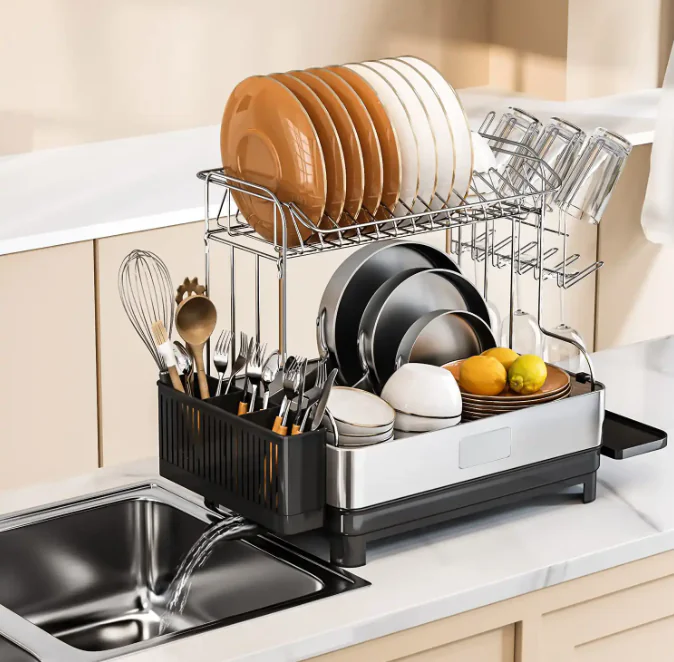
Structure Negotiations Around Total Value Rather Than Just Unit Price
While unit cost remains important, experienced buyers know that the best deals with a kitchenware factory consider the entire value proposition. Instead of fixating solely on per-piece pricing, negotiate a package that includes favorable payment terms (such as 30-60 day credit), reduced minimum order quantities for new product testing, or included quality control inspections. Many factories will offer better overall terms when they see you’re evaluating the complete business arrangement rather than just chasing the lowest price. Discuss logistics options—some factories provide consolidated shipping or handle customs clearance at reduced rates. For larger orders, negotiate staggered production schedules that align with your inventory needs without requiring massive upfront storage. Consider proposing a tiered pricing structure where costs decrease as order volumes increase over subsequent quarters. This holistic approach to negotiation often yields superior long-term results compared to aggressive price haggling that might compromise quality or factory relationships.
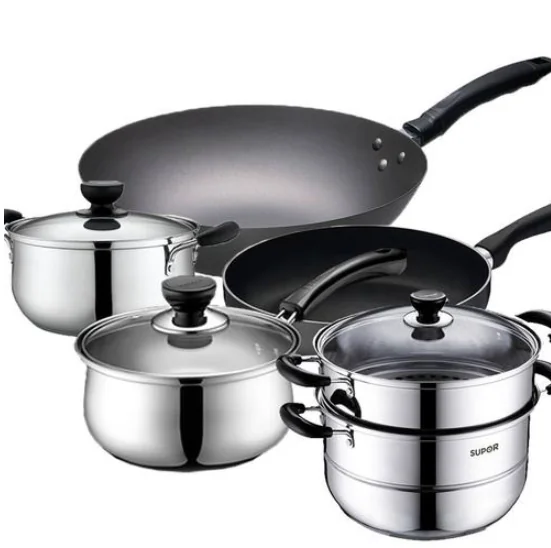
Build Relationship Capital Through Strategic Partnership Development
In the world of manufacturing, relationships often trump transactional dealings when it comes to securing the best terms from a kitchenware factory. Approach negotiations with a partnership mindset, expressing genuine interest in mutual growth and success. Share your business roadmap and projected order growth to help the factory understand your potential value as a client. Many manufacturers reserve their best terms for buyers who demonstrate loyalty and growth potential. Consider agreeing to slightly longer lead times during off-peak seasons in exchange for priority production when you need it most. Offer to serve as a reference client or provide testimonials in return for preferential pricing. Some of the most successful buyer-factory relationships involve collaborative product development where both parties invest in creating innovative kitchenware lines. By positioning yourself as a strategic partner rather than just another customer, you gain access to benefits like exclusive product offerings, first refusal on surplus inventory, and advance notice of material price fluctuations that could impact your costs.
Implement a Gradual Scaling Strategy With Performance-Based Incentives
Rather than attempting to secure your ideal terms in a single negotiation, develop a phased approach when working with a new kitchenware factory. Begin with a smaller trial order to evaluate quality consistency, communication efficiency, and adherence to timelines before committing to larger volumes. Use the successful completion of this pilot phase as leverage to negotiate improved terms for subsequent orders. Create a performance-based incentive structure where the factory earns better margins as they meet or exceed quality and delivery benchmarks. This could include bonuses for early deliveries or defect-free shipments. Conversely, establish clear penalties for consistent underperformance while framing them as opportunities for process improvement rather than punishments. Many factories appreciate this balanced approach as it demonstrates your commitment to fairness while maintaining quality standards. As trust builds over multiple order cycles, you’ll find the kitchenware factory increasingly willing to accommodate special requests, provide more flexible terms, and even share proprietary cost-saving production techniques that benefit both parties.
Mastering the Art of Win-Win Manufacturing Negotiations
Negotiating with a kitchenware factory is ultimately about creating sustainable value for both your business and your manufacturing partner. The most successful buyers understand that today’s competitive environment requires moving beyond traditional price haggling to develop sophisticated, relationship-driven procurement strategies. By combining thorough research, precise specifications, value-focused negotiations, partnership development, and gradual scaling, you position yourself to secure not just good prices, but reliable quality, consistent supply, and innovative product development opportunities. Remember that the best factory relationships evolve over time through demonstrated reliability and mutual respect—qualities that often translate into preferential treatment during material shortages or market disruptions. Implement these strategies consistently across your supplier network, and you’ll build a kitchenware supply chain that delivers both immediate cost benefits and long-term competitive advantages in your market. If you have more concerns, please contact us.

With over a decade of expertise as a Trade Specialist for the Sellers Union, I have dedicated my career to empowering exporters in navigating the complexities of global trade. I have a proven track record of facilitating over 200 clients in breaking into new international markets, consistently boosting their sales revenue by an average of 40% through tailored market-entry strategies and sharp negotiation. My focus is on delivering actionable, results-driven insights that turn logistical and cultural barriers into competitive advantages. This blog shares the hard-won strategies that I know will drive your business forward.



 V****
V**** Z***
Z*** G*****
 J***
J*** S***
S*** C***
C*** F*****
 E****
E**** U*****
 U***
U*** D****
D****