








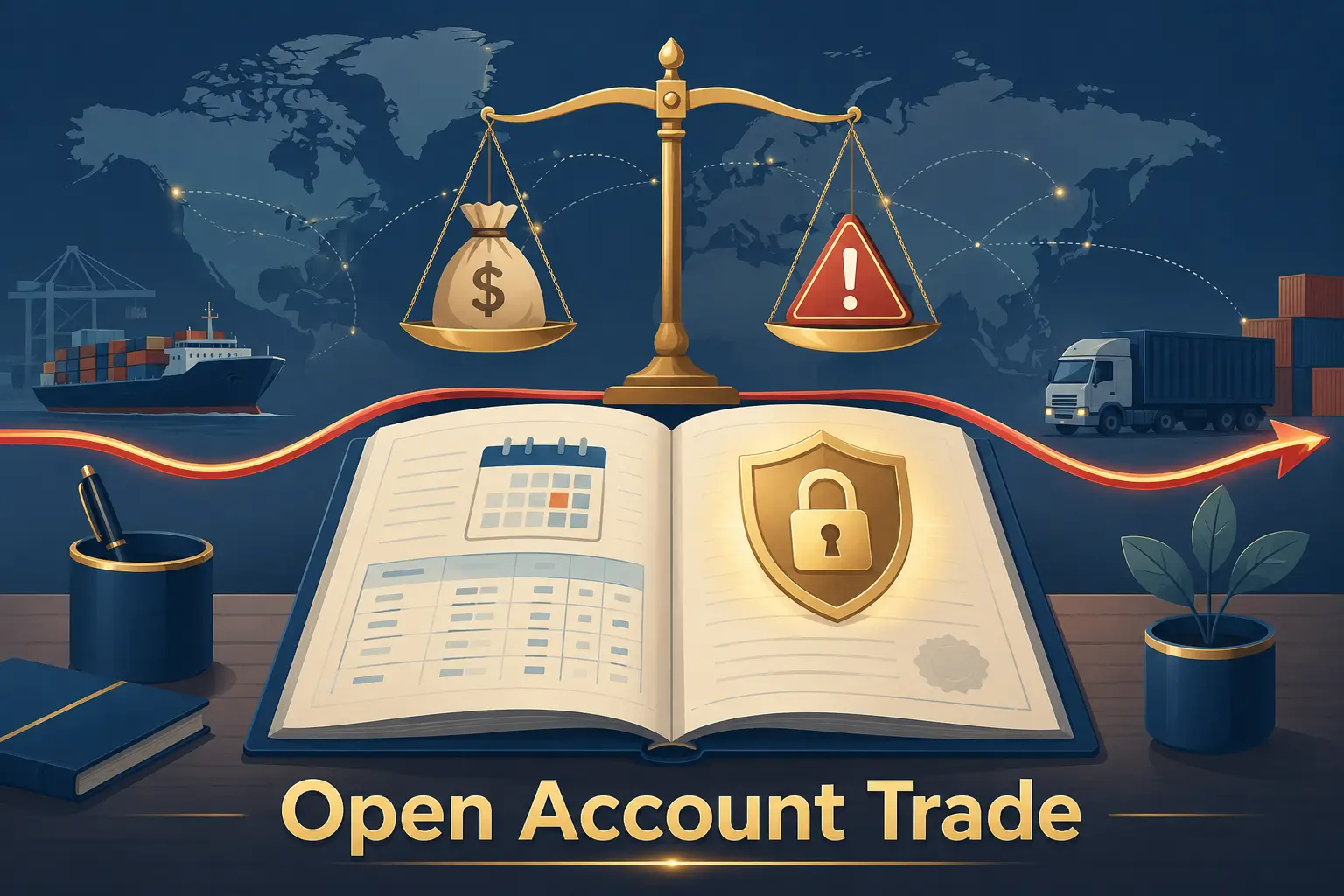
Open Account (O/A) trade is a payment method in international trade where goods are shipped first and paid later, usually within 30–90 days.
It is widely used in China sourcing because it helps buyers improve cash flow and delay payment.
In practice, O/A terms are usually only offered to trusted, long-term buyers with proven credit history.
This article explains how Open Account trade works, why suppliers offer credit terms, and what risks importers need to understand before using it.
Kluczowe wnioski
- Open Account (O/A) trade allows shipment before payment, usually with 30–90 days credit terms.
- It improves buyer cash flow but creates high risk for suppliers, as payment is not guaranteed after shipment.
- O/A is based on trust and long-term relationships, and is rarely offered to first-time importers.
- Suppliers use O/A to stay competitive in international trade, especially in markets like China sourcing.
- Risk control is essential, including credit checks, trade insurance, or using hybrid payment structures.
What Is Open Account (O/A) in International Trade?
Open Account (O/A) is a trade payment method where goods are shipped first, and payment is made later under agreed credit terms. The most common terms are 30, 60, or 90 days after shipment.
In this model, there is no advance payment before delivery. The supplier sends the goods along with standard trade documents such as the invoice and shipping records. The buyer pays only after receiving the goods.
O/A trade is mainly based on trust between the buyer and supplier. It is often used in long-term business relationships where payment history is already proven.
For importers, this method improves cash flow because they do not need to pay upfront. However, it also means the supplier carries the financial risk until payment is completed.
Why Suppliers Offer Credit Terms
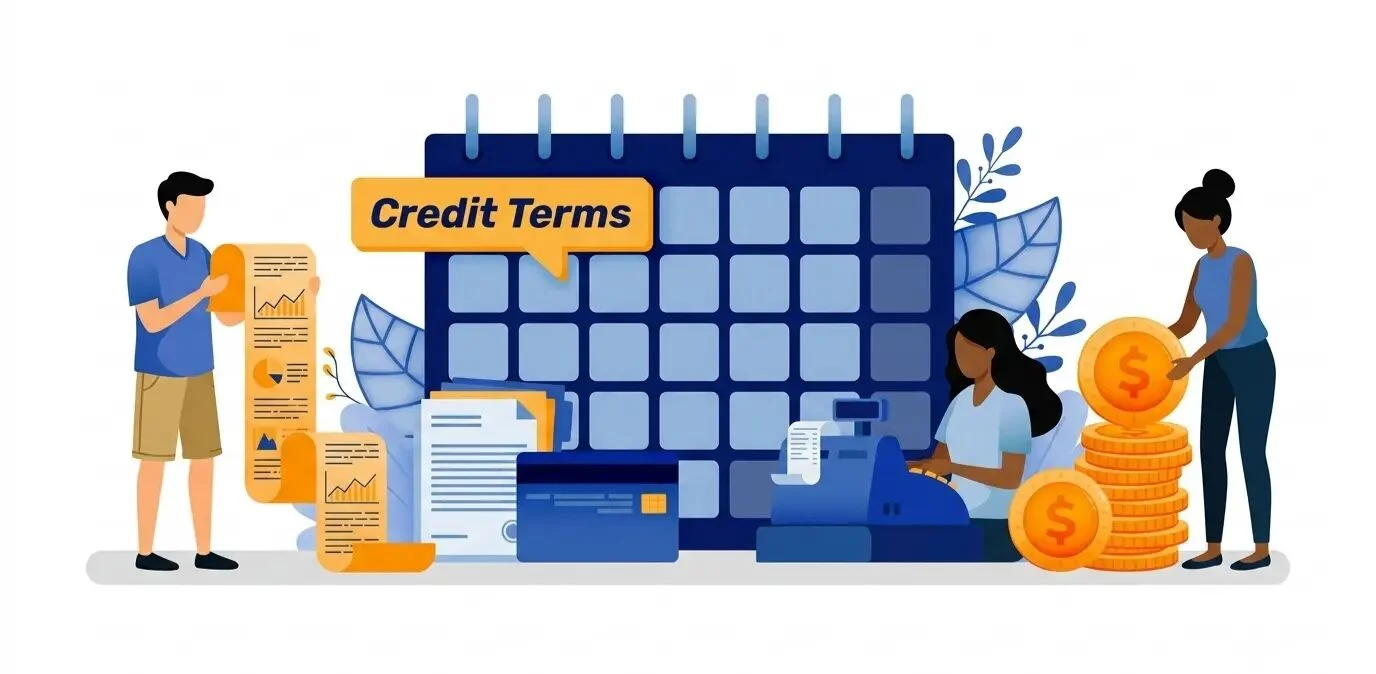
Suppliers offer credit terms in Open Account (O/A) trade mainly to win more orders in a competitive market. In international trade, buyers often compare many suppliers before making a decision. Flexible payment terms can help a supplier stand out.
Another key reason is sales growth. By offering O/A terms, suppliers can attract larger buyers and repeat orders. This helps build long-term cooperation and stable revenue.
Cash flow strategy also plays a role. Even though payment is delayed, suppliers may accept this model when they trust the buyer’s payment history. In many cases, credit is only given after several successful transactions.
Competition in global sourcing, especially in China sourcing, also pushes suppliers to accept more flexible terms.
In some cases, strong buyers with high order volume can negotiate Open Account terms more easily. For suppliers, the decision is always a balance between gaining sales and managing payment risk.
Risks of Open Account Trade for Importers & Suppliers
Risks for Suppliers
The biggest risk in Open Account trade is non-payment risk. Once goods are shipped, the supplier has no guarantee that payment will arrive on time or at all. If the buyer delays or refuses payment, the supplier may face direct financial loss.
Another risk is cash flow pressure. Suppliers must pay for production, materials, and logistics before receiving any money from the buyer. This can create liquidity problems, especially for small factories.
There is also limited legal protection in cross-border deals. Even if a contract exists, enforcing payment in another country can be difficult and costly.
Risks for Importers
For importers, the main risk is product quality uncertainty after shipment. Since payment is made later, disputes over quality or quantity may arise during the credit period.
Importers also face relationship risk. If payment is delayed too long, suppliers may stop future shipments or cancel credit terms. This can affect long-term supply stability.
In some cases, poor credit management may also damage trust with suppliers, making it harder to negotiate Open Account (O/A) trade in the future.
Market and External Risks
Open Account trade is also affected by external factors such as currency fluctuation, political instability, and changes in trade regulations.
In international trade, these uncertainties make O/A a higher-risk payment method compared with T/T or L/C.
When Can You Use Open Account Terms?
Use O/A in Long-Term Supplier Relationships
Open Account trade is most suitable when you have worked with the same supplier for a long time. After several successful orders and on-time payments, suppliers may be willing to offer credit terms.
In this case, both sides already understand product quality, delivery time, and payment behavior. This reduces uncertainty and makes O/A safer to use.
Use O/A for Verified or Low-Risk Suppliers
Suppliers may also offer Open Account terms when the buyer has been fully checked. This includes credit history, business background, and order stability.
Use O/A for High-Volume or Stable Orders
Open Account terms are more common in large or repeat orders. High order volume reduces risk for suppliers because revenue is more predictable.
Stable purchasing behavior also helps suppliers feel more secure when offering credit terms.
When You Should NOT Use O/A
Open Account is not recommended for first-time transactions. It is also risky for high-value shipments or unknown suppliers.
In these cases, payment methods like T/T or Letter of Credit (L/C) are usually safer.
How to Reduce Risk in Open Account Trade
Use Trade Credit Insurance
Trade credit insurance helps protect suppliers from non-payment risk. It covers losses if the buyer fails to pay on time or becomes insolvent.
Check Buyer Credit and Background
Before offering Open Account terms, suppliers should review the buyer’s credit history and business stability. This includes checking payment records, trade references, and company background.
Start with Smaller Orders
Many suppliers reduce risk by offering O/A only after successful small transactions. Early orders are often paid through safer methods like T/T. Once trust is built, credit terms can be extended gradually.
Use Hybrid Payment Structures
Some suppliers combine Open Account terms with partial payment. For example, a deposit can be paid before shipment, and the balance is paid later. This reduces financial pressure on suppliers while keeping flexibility for buyers.
Work with Verified Trade Partners
In China sourcing, working with verified suppliers or procurement agents can reduce risk significantly. These partners help check factories, confirm legitimacy, and monitor order execution before shipment.
Control Credit Exposure
Suppliers should set clear credit limits for each buyer. Large exposure to a single customer increases risk. Spreading orders across multiple buyers helps maintain stable cash flow.
For a deeper breakdown of secure payment structures in China sourcing, you can read our guide on how to pay Chinese suppliers safely.
Open Account vs Other Payment Methods
Open Account vs T/T Payment
T/T (Telegraphic Transfer) requires buyers to pay before or during production. This reduces risk for suppliers and is widely used in first-time transactions.
In contrast, Open Account trade shifts payment to after shipment. This improves buyer cash flow but increases supplier exposure to non-payment risk.
Open Account vs Letter of Credit (L/C)
Akredytywa (L/C) uses a bank to guarantee payment once shipping documents meet agreed conditions. This makes it one of the safest methods for both sides.
Open Account does not involve banks in payment guarantee. It relies only on trust and credit history, which makes it faster but less secure for exporters.
Key Differences in Risk and Use Cases
- Open Account (O/A): Best for trusted, long-term buyers
- T/T: Best for new buyers and controlled upfront risk
- L/C: Best for large orders and high-risk markets
Role of Trade Agents in Managing Open Account Risk
In international sourcing, trade agents act as a bridge between buyers and suppliers and help manage trust, payment, and execution.
Supplier Verification and Credit Check
Trade agents help verify whether a supplier is reliable before any Open Account terms are offered. This includes checking business registration, production ability, and past trade history.
Agents also assess buyer credibility. In O/A trade, suppliers only offer credit terms when buyers have stable payment records. Agents help evaluate this credit risk in advance.
Risk Control During Transaction Process
During Open Account trade, agents monitor each step of the order. This includes production, shipping, and document handling. They ensure the goods match the contract before shipment.
This reduces problems such as quality disputes or missing documents after delivery. In cross-border trade, this control is important because suppliers have limited legal protection once goods are shipped.
Payment Structure Support and Negotiation
Trade agents also help structure safer payment terms. For example, they may recommend partial payment, hybrid terms, or credit limits instead of full Open Account exposure.
In many China sourcing cases, agents negotiate terms that balance buyer flexibility and supplier safety. This makes O/A trade more practical for both sides.
Building Long-Term Trust in O/A Trade
Open Account trade depends heavily on trust. Agents help build this trust through repeated cooperation, clear communication, and performance tracking.
Over time, this allows suppliers to offer better credit terms to reliable buyers. It also reduces risk for both parties in long-term business relationships.
FAQ: Open Account (O/A) Trade
Q1: What is Open Account trade in international trade?
Open Account (O/A) is a payment method where goods are shipped first and paid later. Payment is usually due in 30–90 days after shipment.
Q2: Is Open Account safe for importers?
It is generally safe for importers, but only when dealing with trusted suppliers. For new suppliers, it carries higher risk due to lack of payment guarantees.
Q3: When do suppliers offer Open Account terms?
Suppliers usually offer O/A terms to long-term, repeat buyers with proven payment history. It is rarely given to first-time importers.
Q4: What is the typical payment term in Open Account trade?
The most common terms are Net 30, Net 60, or Net 90, meaning payment is made 30–90 days after shipment or invoice date.
Q5: What is the difference between Open Account and T/T payment?
T/T requires payment before or during production, while Open Account allows payment after shipment. O/A favors buyers, but T/T reduces supplier risk.
Wnioski
Open Account (O/A) trade is a flexible payment method in international trade where goods are shipped first and payment is made later. It helps importers improve cash flow and reduce upfront capital pressure.
In practice, O/A trade is most suitable for long-term and stable business relationships.
At the same time, compared with T/T or L/C, Open Account offers the highest flexibility but the lowest payment security. This makes risk management a key part of using O/A safely in global trade.
👉 Looking for safer sourcing from China?
Sellers Union helps global buyers manage supplier selection, quality control, and secure payment structures, including risk-controlled trade solutions for international sourcing.
Skontaktuj się z nami today to get a customized sourcing solution.

Ivy is a Sourcing Specialist at Sellers Union. She shares hands-on experience in supplier selection, quality control, and market trends to help global wholesalers make informed decisions. Her goal is to simplify the sourcing process and help brands build efficient supply chains in the industry.
 Z*****
 A***
A*** V***
V*** F******
 Z****
Z**** N*******
 E*****
 Y*******
 G*******
 X****
X**** N*****
 E*******