









Pregúntese a la mayoría de los compradores de dónde proviene su paquete de Shein y le dirán que es de China. Esa respuesta suele estar equivocada. Una orden realizada en Los Ángeles puede salir de un almacén en Indiana. Un vestido comprado en Berlín puede ser enviado desde Polonia. Shein envió 1.078 millones de pedidos en 2025, unos 2,95 millones cada día, y una parte creciente de esos paquetes nunca cruza ninguna frontera (documento de Shein HKEX tras la audiencia de 2026).
Puntos clave
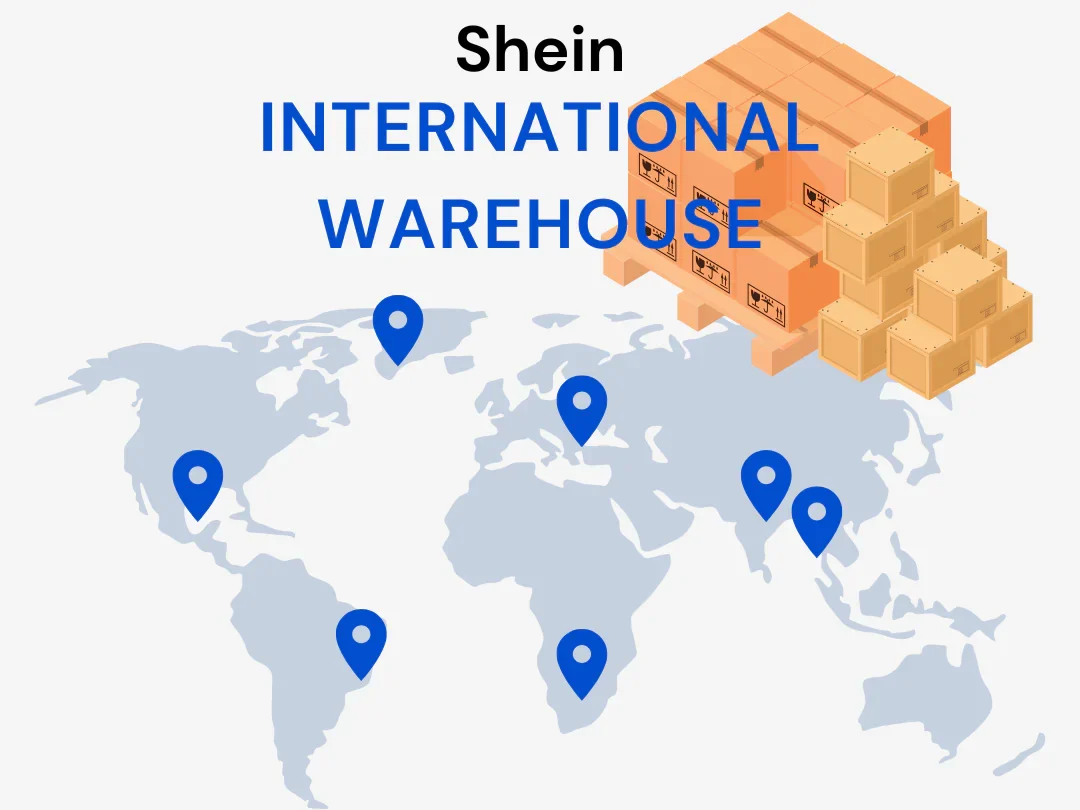
- El inventario principal se encuentra en Guangzhou y Foshan, China; más de 60 centros de distribución regionales en todo el mundo acortan el trayecto desde el almacén hasta el punto de venta (datos del informe de sostenibilidad de SHEIN, 2023).
- Shein procesa los inventarios en 36 días, en comparación con aproximadamente 92 días en Zara y 138 en H&M (archivo de HKEX y análisis del sector, 2026).
- Los artículos US QuickShip llegan en 2 a 5 días desde los almacenes domésticos; los envíos transfronterizos estándar tardan entre 7 y 15 días.
- El centro de Wroclaw, de 740.000 m², que se inaugurará en diciembre de 2025, es la instalación europea más grande de Shein y servirá a unos 100 millones de consumidores de la UE (Invest in Wrocław).
Última actualización: 26 de agosto de 2026
La operación logística de Shein en números
Shein generó $41,8 mil millones de ingresos en 2025, en comparación con los $38,7 mil millones de 2024 y los $32,1 mil millones de 2023, un crecimiento anual compuesto del 14,2%. Sirvió a aproximadamente 273 millones de clientes activos en aproximadamente 160 mercados, Cada uno de ellos realiza pedidos de 3,8 a 4 veces al año. Para marzo de 2026, el número de clientes ascendía a aproximadamente 281 millones (información del paquete de divulgación posterior a la audiencia de la HKEX, julio de 2026, según Sohu Finance y ifeng Finance). Según GlobalData, esto lo convirtió en el tercer mayor minorista de moda del mundo en 2024 con una cuota de mercado del 1,53%, por detrás solo de Nike y Adidas.
Es el volumen lo que hace que la historia del almacén sea interesante. Los compradores consultan más de 2 millones de estilos de ropa en la plataforma, y aproximadamente Cada día aparecen 4.700 nuevos estilos. Europa es ahora la región más grande con un 35,4% de los ingresos, seguida de los Estados Unidos con un 24,1%. El Sudeste Asiático, el Oriente Medio y América Latina juntos representan el 40,5% (archivo de HKEX, 2026).
¿Dónde se encuentran los almacenes de Shein?
El informe de sostenibilidad de Shein de 2023 posicionó a la compañía en más de 60 centros de distribución regionales operados por propios a nivel mundial. La tabla siguiente enumera los almacenes de Shein que están documentados públicamente, con las dimensiones y las fechas de apertura cuando se dispone de ellas. Los nombres exactos de las calles no se revelan, y varias cifras se extraen de investigaciones del sector, en lugar de de la propia empresa, por lo que se deben considerar como estimaciones más bien aproximadas.
| Región | Ubicación | Datos conocidos |
|---|---|---|
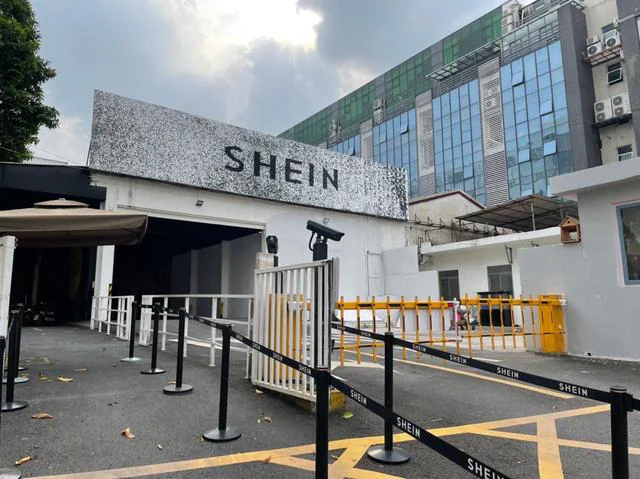
| China | Guangzhou y Foshan, Guangdong | Clúster de fabricación y cumplimiento de pedidos; la mayoría de los nuevos modelos y los de gama larga se envían desde aquí |
| Estados Unidos | Whitestown, Indiana | Primer centro de distribución de EE. UU., inaugurado en 2022; con una superficie de ~61.000 m² (659.000 pies cuadrados), se amplió hasta alcanzar una superficie de ~140.000 m² (1,5 millones de pies cuadrados); reduce los tiempos de envío en EE. UU. en 3-4 días |
| Estados Unidos | California del Sur (Imperio Interior) | Centro en la Costa Oeste que sirve a California, Oregón, Washington, Nevada y Arizona; se anunció un sitio en Cherry Valley con una superficie de ~1,8 millones de pies cuadrados (~167.000 m²) |
| Canadá | Zona de Toronto | Inaugurado en noviembre de 2022; almacén de 170.000 pies cuadrados (~16.000 m²) más espacio de oficinas |
| Europa | Wrocław, Polonia | Inaugurado en diciembre de 2025; ~740.000 m², el mayor centro de Shein en la UE, que abastece a ~100 millones de consumidores europeos |
| Europa | Bélgica (Lieja) | Puerta de distribución europea; acceso a transporte aéreo y ferroviario |
| Reino Unido | Cannock | El tercer almacén (35.000 m²) se inaugurará en mayo de 2026; el campus tiene un total de más de 60.000 m² y 1.000 puestos de trabajo en logística en el Reino Unido. |
| Brasil | Estado de São Paulo (5 sitios) | Cinco almacenes logísticos, con una superficie combinada de ~256.000 m² a noviembre de 2023 |
| México | Al norte de la Ciudad de México | Dos centros de distribución más pequeños: Reuters informó que Shein busca un nuevo espacio de al menos 35.000 m². |
| Oriente Medio | Dubai (Jebel Ali), Abu Dhabi, Sharjah | El centro de distribución de Jebel Ali procesa más de 1 millón de paquetes por semana; la entrega local se realiza en 1-3 días. |
| Oriente Medio | Riyad, Arabia Saudita | Depósito local; entrega en todo el país en 3-5 días |
| Oceanía | Sydney, Australia | Centro de distribución que sirve a Australia y Nueva Zelanda |
Fuentes: Datos del informe de sostenibilidad de SHEIN 2023 (60 centros de distribución); cobertura de la instalación por Inside INdiana Business (Whitestown), WWD (California), Indianapolis Business Journal (Toronto), Invest in Wrocław (Polonia), Sina Finance (Cannock) y el directorio AMZ Prep; reportaje de Reuters sobre la sede en México. Algunas cifras siguen siendo estimaciones de la industria.
¿Por qué Keep Its Core Warehouses en China?
Porque ahí están las fábricas. La cadena de suministro y el diseño de productos de Shein se gestionan desde Guangzhou, con miles de piezas de producción en lotes pequeños. fabricantes en China La actividad se concentra en Guangdong. El prospecto menciona filiales en Singapur, Estados Unidos, Irlanda, el Reino Unido y los Emiratos Árabes Unidos que se encargan de las ventas, el almacenamiento y las operaciones de la plataforma en el extranjero. Al situar el principal centro de cumplimiento junto a la base de proveedores, se logra que el proceso de transporte de la máquina de coser a los paquetes internacionales se realice en cuestión de días, no de semanas.
Una corrección a la creencia popular: Shein sí lo hace. no crear un “centro internacional de distribución de Hong Kong” como un hub de tránsito de paquetes. Hong Kong es importante para Shein debido a que es el lugar de su cotización en bolsa en 2026. La sede corporativa de la compañía es Singapur. Los paquetes que salen de China del Sur fluyen principalmente desde el clúster de Guangzhou-Foshan por vía aérea y marítima directamente. Si ve un seguimiento que dice “almacén internacional”, casi siempre significa Foshan o Guangzhou, lo que coincide con lo que documentan los guías independientes de envío (dirección de AMZ Prep, 2026).
Entonces, ¿por qué construir docenas de almacenes regionales? Hay dos razones. En primer lugar, la rapidez vende. Un comprador que recibe un pedido en tres días compra de nuevo más rápido. En segundo lugar, los aranceles y los impuestos aduaneros. La previsión regional convierte los paquetes internacionales en nacionales, lo que evita el procesamiento aduanero por paquete y reduce la exposición a los derechos cuando cambian las normas de minimis (el umbral por debajo del cual las importaciones quedan exentas de impuestos). Según mi interpretación de los datos de la presentación, la expansión en los almacenes regionales se ve más bien como una medida de protección: cada almacén fuera de China es una cobertura contra el próximo shock de la política comercial. Esta interpretación es mía.
Cómo funciona realmente la selección del sitio
Tres filtros aparecen una y otra vez en los lugares donde Shein se instala:
- Nodos de transporte. Whitestown se encuentra en los corredores de transporte de carga de Indianapolis; Liège tiene conexiones aéreas y ferroviarias; Jebel Ali es el mayor puerto del Medio Oriente.
- Densidad del mercado. El estado de São Paulo, el metro de Toronto y el Medio Oeste de Estados Unidos: los almacenes se encuentran cerca de la demanda concentrada.
- Situación fiscal y aduanera. Polonia está integrada en la unión aduanera de la UE; las zonas francas de los Emiratos Árabes Unidos simplifican la reexportación.
¿Con qué rapidez llega la entrega de Shein según la región?
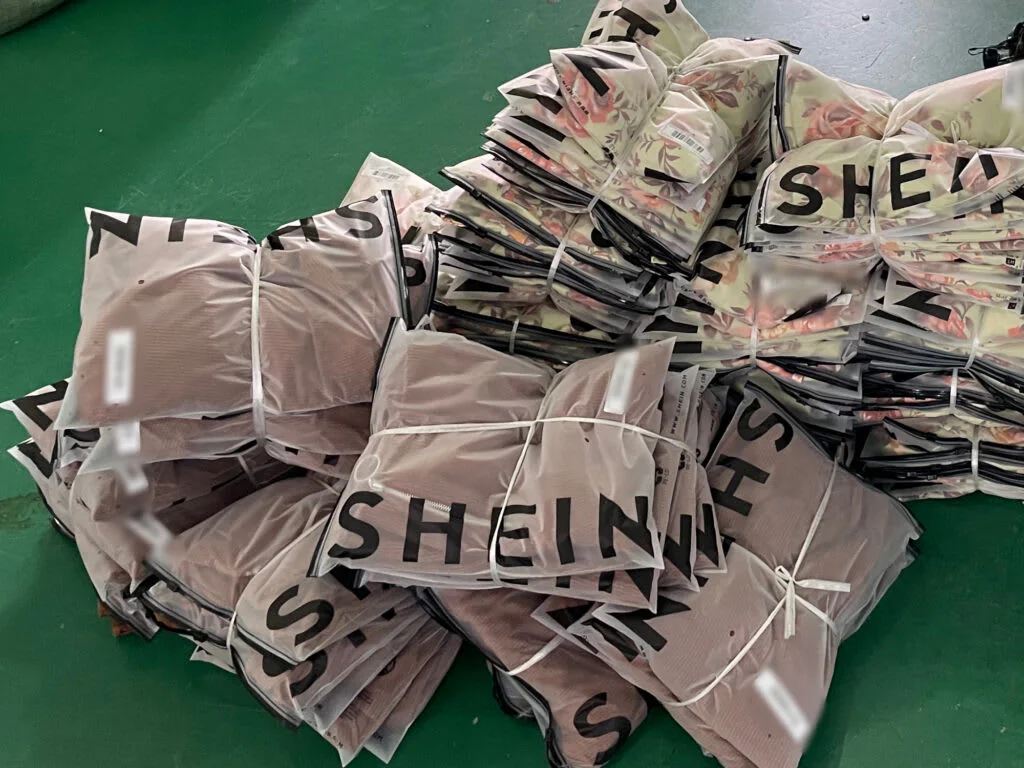
Depende de dónde se almacene el artículo. Aproximadamente el 70% de las órdenes aún salen del clúster de Guangzhou-Foshan como paquetes transfronterizos, según el directorio AMZ Prep de 2026. Los estilos que se preponen en un almacén regional se envían como paquetes nacionales y llegan más rápidamente; Shein etiqueta estos como QuickShip Los artículos. Los nuevos modelos o los de estilo específico todavía se envían desde China y tardan más tiempo. Las gamas de productos que se muestran a continuación combinan los datos de envío de la plataforma con los de ese directorio.
| Destino | Estándar (transfronterizo) | QuickShip / Express |
|---|---|---|
| Estados Unidos | 7-15 días | 2-5 días (desde los almacenes de Estados Unidos) |
| Europa | 7-12 días | 4-7 días |
| Reino Unido | 7-12 días | 4-8 días |
| Asia-Pacífico | 8-15 días | 5-9 días |
| Oriente Medio | 7-12 días | 1-3 días (desde los centros de Dubái y Riad) |
| América Latina | 10-18 días | 5-10 días |
Fuente: Directorio de almacenes de Shein de AMZ Prep, 2026; páginas de envío en la plataforma. Estimaciones basadas en días laborables; los retrasos aduaneros pueden añadir días a las rutas transfronterizas.
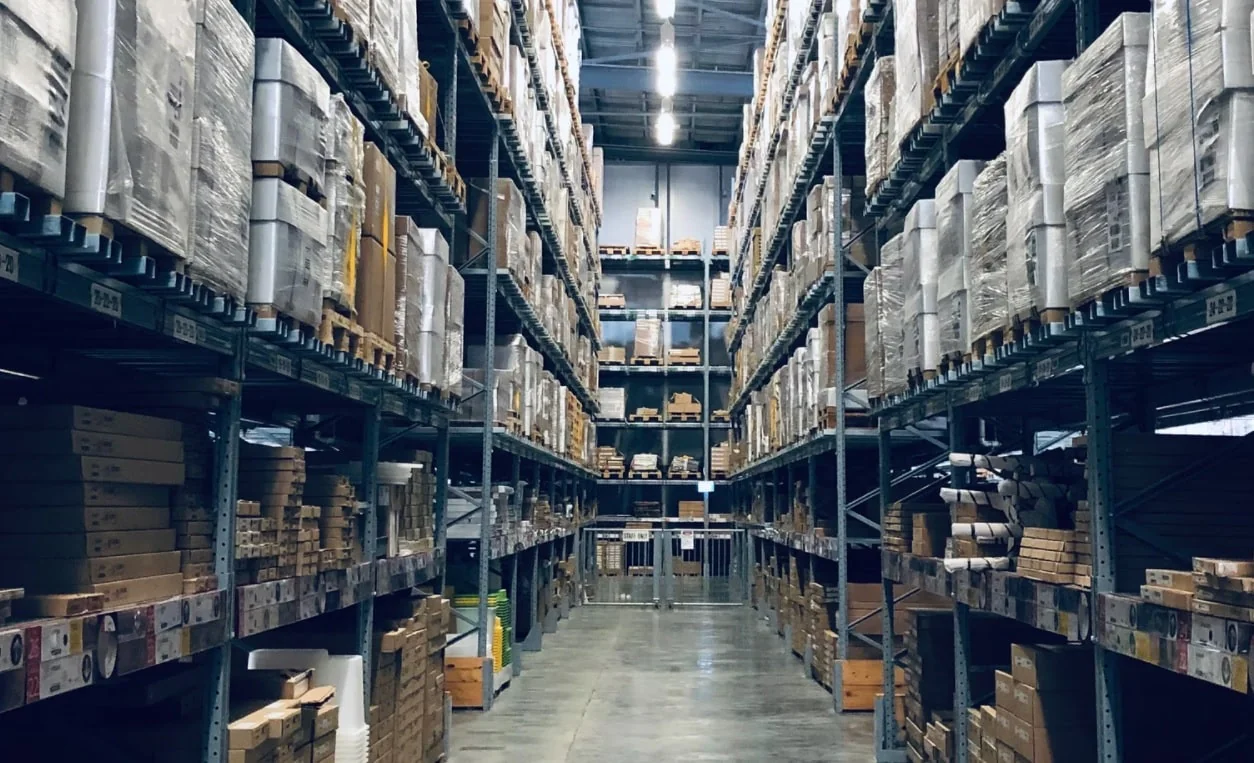
Corremos Envíos consolidados En el caso de los clientes compradores, se envía desde Ningbo y Yiwu, y el proceso es muy familiar: un paquete que sale de un almacén regional en el extranjero no genera ningún movimiento y se entrega al mismo día a un servicio de mensajería nacional. El mismo artículo enviado a través de la frontera tiene que esperar hasta que se complete la capacidad de transporte, la tramitación de exportación y importación, y la entrega final. Esto supone un retraso de entre cinco y diez días en el caso de productos idénticos, y es la lógica general de la expansión regional de Shein.
Fabricación bajo demanda: lotes pequeños y reposiciones en cinco días
Cada nuevo diseño comienza de forma pequeña. Las primeras tiradas de producción de Shein De 100 a 200 piezas, Las ventas se miden en unidades, en lugar de estimarse a partir de supresiones presupuestarias. Los clics, los pedidos añadidos al carrito de compras y las conversiones se transmiten de vuelta a los proveedores en tiempo casi real. Los productos más vendidos se reponen en tan solo cinco días. Los artículos que no se venden se eliminan antes de que se acumulen (archivo del HKEX, 2026). El resultado: el inventario no vendido se queda en unos pocos dígitos, en comparación con una media de la industria de entre 15 y 20% unidades.
La brecha de velocidad se agrava en el tramo aguas abajo. Shein desplaza un diseño del concepto a la etapa de compra en aproximadamente De 2 a 3 semanas, Mientras que el ciclo de ventas de ropa tradicional dura de 6 a 12 meses, el ciclo de inventario, es decir, el promedio de días que pasa el stock antes de que se venda, nos dice la misma historia desde un ángulo diferente: 36 días para Shein, aproximadamente 92 para Zara y alrededor de 138 para H&M..
¿Qué significa esto para los almacenes? Los artículos más populares se trasladan hacia los centros de cumplimiento regionales, donde pueden ser enviados a nivel nacional en 2 a 5 días. Los productos más lentos se mantienen en el centro de China y solo se envían después de que se haya comprobado la demanda. Para su contexto: Dónde Shein compra sus productos al por mayor, La capa de proveedores se encuentra mayormente a unas pocas horas en coche de la zona de Guangzhou-Foshan, lo que hace posible el reposicionamiento de productos en cinco días.
¿Qué tecnología gestiona el almacén de Shein?
Los informes sobre los centros de distribución de Shein continúan describiendo los mismos sistemas. Las líneas de clasificación automatizadas con cintas transportadoras y escáneres dirigen los paquetes según el destino. Los robots AGV (vehículos guiados automatizados) desplazan los productos entre las estaciones de almacenamiento y de empaque, lo que mantiene la eficiencia operativa sin necesidad de aumentos temporales de personal. Y cada SKU lleva identificadores RFID o códigos de barras que alimentan los paneles de control de inventario en tiempo real.
El aprendizaje automático se sitúa por encima del hardware. Los modelos de demanda entrenados en el comportamiento de las aplicaciones, las tendencias sociales y el historial de ventas determinan qué estilos producir, cuántas unidades fabricar y en qué almacén regional debe llegar cada lote. La optimización de rutas asigna entonces cada paquete a una ruta de envío en función del rendimiento del transportista y las condiciones aduaneras. Los análisis de la industria sobre el funcionamiento de Shein revelan una precisión de la selección de alrededor del 99,98%, con tasas de error varias veces inferiores a las normas del almacén.
Con todo, hay que tener en cuenta que gran parte de esta información proviene de casos de proveedores y socios, así como de investigaciones de terceros, en lugar de la propia documentación de ingeniería de Shein. La compañía confirma que la automatización y la asignación de inteligencia artificial existen, pero publica pocos indicadores internos. Trate los números operacionales precisos como una indicación de la dirección en la que se encuentra la empresa.
¿Cómo maneja Shein los temas de aduanas, IVA y cumplimiento?
Al mover la zona de despacho hacia arriba. Cuando los productos ingresan a la UE en granel a través de los centros de Wroclaw y Bélgica, los procesos de aduanas y IVA se realizan una vez por envío. Cada paquete de consumo posterior se envía dentro del mercado único sin que se realicen controles fronterizos repetidos. El mismo patrón se aplica a los almacenes de Estados Unidos, que reciben importaciones en granel y luego cumplen pedidos en el país.
Las normas del Reino Unido tras el Brexit, que requieren declaraciones detalladas de IVA en los paquetes importados, se aplican en las instalaciones de Cannock en lugar de incorporarse a los pedidos de cada cliente. También importa el momento: la UE ha decidido eliminar la exención de derechos aduaneros para los paquetes de bajo valor que lleguen desde fuera del bloque, una medida que se aplicará gradualmente hasta 2026 y que hace que el envío masivo de mercancías antes de la importación a través de centros como Wrocław sea aún más atractivo (análisis de 1StopVAT).
Todo aquel que se dedique a la gestión de aduanas conoce el dolor que supone corregir un código HS incorrecto en un envío en espera. Desde nuestra propia oficina de exportación, la principal causa de retrasos transfronterizos es la documentación, no la distancia. La plataforma de cumplimiento de Shein automatiza esos controles antes de que un paquete salga del almacén, y su estrategia multicartera significa que una huelga o un congestionamiento en el puerto redirige los envíos en lugar de dejarlos en tierra. Estas dos disciplinas son poco glamorosas y, además, constituyen la mayor parte del trabajo.
La geopolítica sigue siendo el factor sorpresa. Los cambios en las tarifas, las modificaciones de la norma de minimis y el control del trabajo forzado en los mercados occidentales repercuten en la logística de la ropa transfronteriza. La respuesta de Shein, visible en su presentación, es estructural: una cadena de suministro flexible que puede cambiar la producción y una presencia física cada vez mayor en los mercados consumidores más importantes. Los almacenes regionales son tanto un instrumento de cumplimiento como una característica de velocidad.
Shein vs Temu vs Zara: ¿Quién envía más rápido?
En los casos en los que los artículos están en stock, todos tres llegan en cuestión de días: Shein QuickShip tarda entre 2 y 5 días, el stock de los vendedores locales de Temu llega en 2 a 5 días, y Zara llega en 1 a 5 días cerca de sus tiendas. La diferencia se encuentra en la cantidad de productos del catálogo que reciben ese trato.
Temu envía un catálogo mucho más amplio desde almacenes centralizados principalmente en China, y su entrega transfronteriza estándar tarda entre 7 y 15 días laborables en llegar a los principales mercados, extendiéndose hasta 22 días cuando el despacho aduanero se atrasa, con un tiempo de entrega expreso pagado de alrededor de 3 a 8 días y el envío de stock de vendedores locales preimportados en 2 a 5 días (OrderTracker, 2026).
En Australia, los socios de cumplimiento locales de Sydney y Melbourne han reducido el tiempo de entrega de muchos pedidos de Temu de más de diez días a entre cuatro y seis, y su programa de vendedores locales permite a los comerciantes locales vender con un envío más rápido. Zara ofrece ventas físicas además de un rápido e-commerce regional, con una velocidad de producción desde el diseño hasta la distribución muy rápida en los productos principales, pero un ciclo de inventario mucho más lento.
| Shein | Temu | Zara / H&M | |
|---|---|---|---|
| Modelo de inventario | A pedido: lotes de prueba de 100 a 200 piezas, reposición en cinco días | Comercio masivo centralizado desde China | Colecciones de temporada, producción en masa |
| Rotación de inventario | 36 días | No comparable (mercado) | Zara ~92 días, H&M ~138 |
| Entrega típica | 2-5 días con QuickShip; 7-15 días para envíos transfronterizos | 7-15 días estándar (hasta 22); 3-8 expreso; 2-5 desde el stock local | 1-5 días en los casos en que existan tiendas o centros de distribución locales |
| Depósitos regionales | 60+ centros de distribución | Pocos; se expanden a través de programas de vendedores locales | Redes densas cercanas a los centros comerciales |
| Escala 2025 | $41,8 billones de ingresos, 273 millones de clientes activos | GMV estimó entre $53 y 70 billones (2024) | Inditex €39,9 mil millones (FY2025) |
Fuentes: presentación de SHEIN en HKEX 2026; datos de entrega de Temu y GMV de OrderTracker y Sina Finance; resultados del ejercicio fiscal 2025 de Inditex.
La diferencia estratégica es más importante que cualquier número en particular. Shein controla la cadena de suministro de principio a fin, desde la orden de la tela hasta la entrega en casa, por lo que sus ventajas en cuanto a costos y velocidad se mantienen intactas. Temu optimiza un mercado de vendedores. Zara optimiza las tiendas. Solo uno de estos tres ha construido su red de almacenes específicamente para atender los envíos que cruzan la frontera, y esto se refleja en la tabla de entregas.
¿Qué sucederá con la red de almacenes de Shein?
Cada nuevo centro es más grande y más cercano al cliente que el anterior. El de Wrocław, de 740.000 m², abrió sus puertas en diciembre de 2025. El tercero de Cannock llegó en mayo de 2026. Reuters informa que Shein está buscando un centro de 35.000 m² más en México. Las expansiones en el Reino Unido, Estados Unidos y la UE apuntan en la misma dirección: almacenar grandes cantidades de productos dentro de la frontera aduanera y luego realizar la entrega como un minorista doméstico.
Mira tres cosas.
- La oferta pública de acciones en Hong Kong. Shein lanzó su oferta global el 24 de agosto de 2026 bajo el símbolo 00625.HK, con un precio de $47,60 a 49,50 HK por acción, con una valoración de entre $26 y 27 mil millones de dólares. El inicio de las operaciones está previsto para el 1 de septiembre, y los principales patrocinadores incluyen Tencent, Boyu, Tiger Global y UBS Asset Management. Aproximadamente el 40% de los estimados $13 mil millones de HK en ingresos netos se destinará a tecnología y otros 40% a la construcción de marca y la expansión global.
- Política de aranceles y de minimis de los Estados Unidos. La evolución de estas reglas cambia directamente la economía del envío de paquetes pequeños desde China, en comparación con la importación masiva de productos desde almacenes domésticos.
- Presión por la sostenibilidad. Ya está impulsando a la empresa hacia la utilización de envases reciclados y programas de eficiencia en la ruta de transporte.
FAQ: Almacenes y envío de Shein
¿Dónde se encuentran los almacenes de Shein?
El núcleo de la cadena de suministro de productos se encuentra en Guangzhou y Foshan, en Guangdong, China. Además de esto, más de 60 centros de distribución regionales funcionan en todo el mundo, incluyendo Whitestown (Indiana) y el sur de California en Estados Unidos, Wrocław en Polonia, Cannock en el Reino Unido, cinco ubicaciones en el estado de São Paulo, centros en Dubai y Riad, así como un centro en Sydney para Oceanía.
¿Cómo afecta la fabricación a demanda de Shein al tiempo de entrega?
Los nuevos modelos se lanzan en lotes de 100 a 200 piezas. Los productos más vendidos se reabastecen en tan solo cinco días y luego se distribuyen a almacenes regionales, donde se envían como paquetes domésticos en 2 a 5 días. El inventario se reemplaza cada 36 días, aproximadamente 2,5 veces más rápido que en Zara.
¿Usará Shein Hong Kong como centro logístico?
No, eso es un mito común. La producción se realiza desde el clúster de Guangzhou-Foshan, cerca de la base de proveedores; la sede corporativa se encuentra en Singapur y el papel de Hong Kong es el de sede para la oferta pública inicial de acciones de Shein, con la apertura de las operaciones el 1 de septiembre de 2026.
¿Cómo logra Shein cumplir con los requisitos de envío internacional?
Los impuestos aduaneros y el IVA se liquidan una vez por envío masivo en centros regionales como Wrocław, tras lo cual los paquetes de consumo viajan dentro del mercado único sin que se realicen controles repetidos. Los almacenes de Estados Unidos y el Reino Unido funcionan de la misma manera para sus regiones.
¿Qué tecnologías utiliza Shein en sus almacenes?
Robots AGV para el movimiento de stock, líneas de clasificación y envasado automatizadas, seguimiento por RFID y código de barras con paneles de control en tiempo real y modelos de aprendizaje automático que asignan la producción e inventario a través de toda la red. Analíticas de terceros indican una precisión de la toma de pedidos cercana al 99,98%.
¿Con qué rapidez entrega Shein a nivel mundial?
Envíos de US QuickShip: entre 2 y 5 días desde los almacenes domésticos. Envios transfronterizos estándar: entre 7 y 12 días a Europa y América del Norte, entre 7 y 14 días a Asia-Pacífico y Oriente Medio, y entre 10 y 18 días a América Latina.
¿Cómo gestiona Shein las temporadas pico como el 11 de noviembre?
Los SKU más vendidos se almacenan previamente en almacenes regionales antes de las grandes promociones, y la clasificación automatizada y la asignación de inventario basada en inteligencia artificial absorben el aumento de la demanda. La cifra base ya es de aproximadamente 2,95 millones de pedidos por día, en comparación con los 1.078 millones de pedidos en 2025.
¿Cómo controla Shein los costos de logística?
Los lotes de producción pequeños evitan el exceso de stock; el transporte aéreo y marítimo se mezcla para equilibrar la velocidad con el coste; y el almacenamiento regional convierte los paquetes internacionales en entregas económicas a última milla en el territorio nacional. La ganancia bruta aumentó de 60,2% en 2023 a 67,9% en 2025, y luego superó el 70% en el primer trimestre de 2026.
Conclusión: La Red de Almacenes de Shein es la verdadera historia
Si eliminamos los titulares de velocidad, lo que queda es una cadena de suministro construida alrededor de un principio: colocar el inventario donde esté el cliente, dentro de la frontera aduanera, antes de que exista la orden. El núcleo se queda en Guangzhou y Foshan junto a las fábricas, mientras que los productos más vendidos más comprobados se distribuyen a más de 60 almacenes regionales y se envían como paquetes domésticos en 2 a 5 días. Este sistema de división, una producción flexible de pequeñas cantidades en origen más un stock pre-situado cerca de la demanda, es la forma en que Shein mantiene un ciclo de inventario de 36 días y una margen bruto superior al 70% al mismo tiempo.
Los mismos compromisos se aplican a cualquier marca que importe desde China: el transporte aéreo versus el marítimo, los paquetes transfronterizos versus los envíos masivos antes de la importación. Estas dos opciones determinan la promesa de entrega, la exposición a los aranceles y la cantidad de efectivo que queda en inventario.
Este es el plan que seguimos para nuestros clientes Agente Sellers Union, una agencia de compras y logística de China que opera desde 1997 en Ningbo y Yiwu. Nos encargamos de consolidar los envíos y tramitar los trámites aduaneros, además de preparar el inventario para su distribución cerca de los compradores. Si desea un itinerario adaptado a su producto y a sus volúmenes, Contáctese con nuestro equipo Para una consulta gratuita; respondemos dentro de un día hábil.

Ivy es especialista en abastecimiento en Sellers Union. Comparte su experiencia práctica en la selección de proveedores, el control de calidad y las tendencias del mercado para ayudar a los mayoristas globales a tomar decisiones informadas. Su objetivo es simplificar el proceso de abastecimiento y ayudar a las marcas a construir cadenas de suministro eficientes en la industria.




 C*******
 T******
 M*******
 B******
 E******
 I***
I*** O****
O**** B***
B*** H*****
 Z***
Z*** H*****