










Vendor Audit Checklist: Where to start?
The “Vendor Audit Checklist” and “Supplier Audit Checklist” are often used interchangeably, but they focus more on preliminary or basic reviews of general suppliers. This checklist is the starting point of your audit journey, ensuring that you cover all fundamental areas. A typical preliminary list should include:
- Business qualifications and compliance: Are the business license, tax registration certificate, and industry-specific permit complete and valid?
- Financial stability: Does the company face bankruptcy risk? Can you provide recent financial reports?
- Quality Management System: Has it been certified with ISO 9001 or other certifications? Is there a written quality control process in place?
- Data Security and Business Ethics: Is there a data protection policy in place? Do you comply with the Code of Business Conduct?
This basic checklist helps you quickly screen out unqualified suppliers, saving valuable resources for more in-depth audits in the future.

Supplier Audit Checklist: delve into the core of operations
When you need to audit strategic suppliers of key materials or services, you need a more comprehensive Supplier Audit Checklist. This list is more in-depth and aims to evaluate the long-term capabilities and potential for continuous improvement of suppliers. Key areas include:
- Process control: How to monitor and produce the process? Are key process parameters recorded and controlled?
- Inspection and testing: What are the inspection standards and records for incoming materials, processes, and final products? Is the measuring equipment regularly calibrated?
- Corrective and preventive measures: What is the root cause analysis process for non-conforming products? How to prevent the problem from happening again?
- Personnel training: Have operators and quality inspectors received sufficient training and are they competent in their work?
- Customer service and communication: Are response times and problem-solving mechanisms efficient?
This detailed list is the core of supplier auditing, which directly affects the quality, delivery time, and total cost of the products or services you purchase.

Supplier Audit Template: The Key to Standardization and Efficiency
Having an excellent Supplier Audit Template is key to ensuring audit consistency, comparability, and efficiency. The template converts your list into a structured report format, typically including:
- Audit information: supplier name, audit date, auditor name.
- Evaluation category: Classify the items in the list into different categories (such as management responsibilities, resource management, product implementation).
- Scoring system: Rate each item (such as: meet/observe/disagree/not applicable) and assign weights.
- Description of findings: Detailed record of evidence and observations of non conformities.
- Conclusion and action plan: Overall conclusion, items requiring rectification and their responsible persons, deadline.
Using a unified template allows different auditors to compare the audit results of different suppliers at different times, providing reliable data support for decision-making.

Supply Chain Audit Checklist: Beyond Direct Suppliers
Modern risk management requires us to broaden our perspective to the entire supply chain network. The Supply Chain Audit Checklist focuses on more macro level risks, including your suppliers’ suppliers. This list aims to reveal:
- Supply chain traceability: Can suppliers trace the source of their raw materials?
- Secondary supplier management: How do your direct suppliers manage and audit their own suppliers?
- Logistics and Warehousing: What are the risk control measures during transportation and warehousing?
- Environmental and Social Responsibility: Does the entire supply chain comply with environmental regulations and labor standards? Is there a potential risk of modern slavery?
By conducting supply chain audits, you can identify weak links hidden deep within the chain, such as single source dependence, geopolitical risks, or moral reputation risks.

Factory Audit: The cornerstone of manufacturing industry
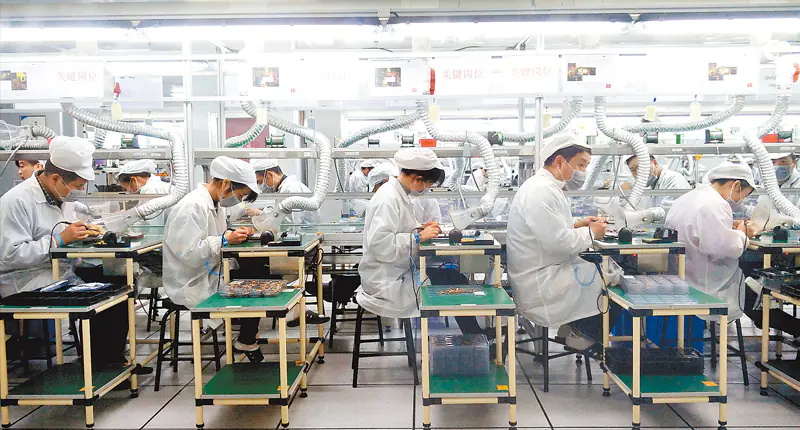
For manufacturing enterprises, Factory Audit is the most specific and in-depth form of supplier audit. It is an on-site inspection conducted at the production site, with a focus on manufacturing capabilities and conditions. The core review points include:
- Production equipment and maintenance: Is the equipment advanced? Is preventive maintenance performed?
- Production plan and capacity: What is the current capacity utilization rate? Can we meet your fluctuating needs?
- Workshop environment: Is it clean and orderly? How is 5S/6S management executed?
- Material management: Is the storage and management of raw materials, semi-finished products, and finished products standardized?
- Health and Safety: Is the working environment safe? Are necessary safety devices and training provided?
A successful factory audit can give you absolute confidence in the manufacturing quality and delivery capabilities of your suppliers.

Factory Audit Services: When to turn to external experts?
Not all companies have sufficient internal resources or expertise to conduct comprehensive factory audits, especially on a global scale. At this point, professional Factory Audit Services become crucial. These third-party service providers provide you with:
- Localized expertise: They typically have local auditors in the audit location, without the need for long-distance travel, and are familiar with the local language, culture, and regulations.
- Objectivity and impartiality: Third party auditing avoids potential biases in internal auditing, resulting in more impartial reporting.
- Professional expertise: They can provide expert auditors for specific industries such as medical devices, aerospace, and toys.
- Scalability: You can quickly audit a large number of potential suppliers without expanding your internal team.

China Factory Audit: A Key Link in Global Supply Chain
China, as the ‘world factory’, is the procurement hub of countless global enterprises. However, distance, language, and cultural differences make procurement from China challenging. Therefore, conducting a professional China Factory Audit is particularly important. In addition to standard factory audit projects, it also requires special attention to:
- Authenticity of qualification documents: Strictly verify the authenticity of business licenses, production permits, and other documents to prevent “shell companies” or trading companies from impersonating factories.
- Actual production capacity verification: By checking the production schedule, workshop assembly line speed, and number of employees, cross verify whether the promised production capacity of the supplier is true.
- Intellectual Property Protection: Evaluate the specific measures taken by the factory to protect customer designs, molds, and trade secrets.
- Cultural communication and business habits: Understand local business practices and ensure that your quality requirements are accurately understood and implemented.
In China, utilizing local Factory Audit Services is often the most efficient and reliable option, as they can help you bypass traps and find truly high-quality production partners.
Conclusion
Supplier audit is far from a simple “perfunctory” inspection. It is a strategic risk management process that builds a solid firewall for you by systematically using supplier audit checklists and templates, from basic supplier assessments to in-depth factory audits, and even macro supply chain audits. When facing complex markets like China, making good use of professional factory audit services can give you more wings. Investing in a thorough supplier audit is investing in the stability, reputation, and long-term success of your own business.

Ivy is a Sourcing Specialist at Sellers Union. She shares hands-on experience in supplier selection, quality control, and market trends to help global wholesalers make informed decisions. Her goal is to simplify the sourcing process and help brands build efficient supply chains in the industry.










 H****
H**** H*******
 Y****
Y**** D******
 N******
 B****
B**** J*****
 E***
E*** J***
J*** N****
N**** K*******
 E******