











Understanding the Opportunity: Importing Electronics from China
Looking to scale your electronics business or diversify your product line? Importing electronics from China can be one of the most lucrative moves you make. According to The Friday Times, “China exported over $1.4 trillion in electrical machinery and electronics, accounting for nearly 38% of its total goods exports.” This is why China is the world’s de facto electronics powerhouse. Whether you’re after Bluetooth headphones, smartwatches, or industrial components, China has the capacity, flexibility, and pricing to meet virtually every B2B sourcing need.
But diving into this world without a solid grasp of the process? That’s a fast track to costly errors. This guide helps you navigate the maze, from choosing the right China wholesale electronics marketplace to ensuring customs compliance. If you’re wondering how to import electronics from China, this is the all-in-one blueprint you’ve been searching for.

Why Import Electronics from China?
Cost Advantages and Economies of Scale
You already know the appeal: cheap China electronics wholesale prices. But the real magic lies in economies of scale. Once you break into higher volume brackets, the per-unit cost can drop drastically. For example, a set of wireless earbuds might cost $1.80/unit at 1,000 pieces—but just $1.25/unit at 10,000. China’s mass production capabilities mean you can profit even while undercutting competitors in your domestic market.
Wide Product Selection and Innovation
Need niche items like Li-ion battery management systems or waterproof IoT sensors? You’ll find them. Looking to private label noise-canceling headphones? That’s available too. With over 200,000 electronics-related factories, China’s product spectrum is unmatched.
Tech hubs like Shenzhen are home to startups and giants alike, rapidly pushing the envelope on design, functionality, and user interface. By tapping into electronics China wholesale market networks, you gain access to the next-gen tech before it becomes mainstream.
Established Supply Chain Infrastructure
China’s export framework is built for speed and scale. Efficient port cities, integrated inland logistics, and expert freight forwarding services make it easy to move containers across the globe. In short, if you’re looking to import electronics from China, there’s an entire ecosystem designed to help you succeed.
Overview of Key Electronics Markets in China
Shenzhen – The Global Electronics Hub
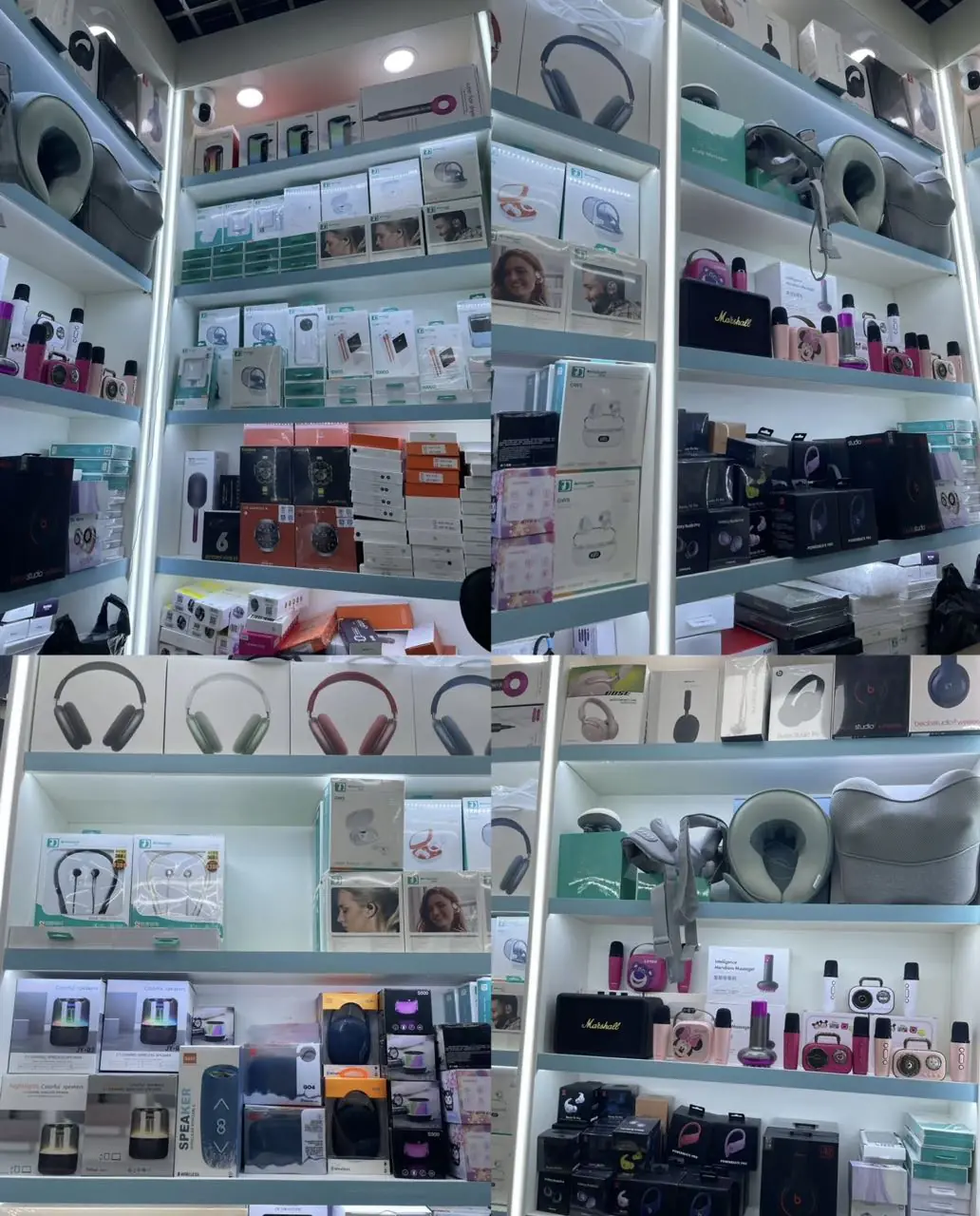
Shenzhen is ground zero for electronics sourcing. Huaqiangbei, the sprawling district of interconnected electronics malls, is where innovation meets industrial grit. Here you’ll find a mind-boggling assortment of components, wearables, consumer gadgets, and assembly-ready modules.
Shenzhen is ideal for buyers looking to:
- Develop private label consumer electronics
- Source components for assembly
- Partner with OEM/ODM factories
It’s also the best place to meet electronics wholesale suppliers face-to-face and evaluate prototypes.
Yiwu – Low-Cost Electronics for General Trade
Yiwu specializes in low-margin, high-volume trade. It’s a goldmine for buyers targeting dollar stores, gift shops, or promotional campaigns. You’ll find everything from USB cables to handheld fans—at bargain-bin prices.
While Shenzhen gives you tech prowess, Yiwu gives you volume. Yiwu’s International Trade Market, especially District 2 and 3, is packed with cheap China electronics wholesale suppliers.
Guangzhou – OEM/ODM Powerhouse
Guangzhou is known for high-end manufacturing, with a focus on quality assurance and brand collaboration. Many factories here specialize in consumer durables, home appliances, and healthcare electronics.
You’ll find manufacturers experienced in:
- Custom firmware development
- English-language manuals
- Packaging and compliance for Western markets
If you’re aiming to import electronic goods from China with brand prestige, Guangzhou is your go-to.
Online China Wholesale Electronics Marketplaces
When face-to-face isn’t an option, platforms like Alibaba, Made-in-China, and DHgate come in handy. These China wholesale electronics marketplaces offer access to thousands of vetted suppliers.
Pros:
- Compare dozens of suppliers at once
- Secure payments via escrow systems
- Easy RFQ (Request for Quotation) process
Cons:
- Risk of middlemen
- Product photos often don’t reflect real quality
- Response times can be inconsistent
To offset risk, always verify business licenses and ask for live factory videos or audits.
How to Import Electronics from China (Step-by-Step)
Step 1 – Define Product Specifications and Compliance
Before you even reach out to a supplier, you need a detailed spec sheet. Clarify:
- Voltage and plug type (e.g., 110V US vs. 220V EU)
- Product dimensions and color options
- Required certifications (CE, FCC, UL, RoHS)
Failing to meet local regulatory standards can get your goods seized. If you’re unsure, work with a compliance consultant early on.
Step 2 – Find Reliable Suppliers
Sourcing isn’t just about price. You need to evaluate reliability, responsiveness, and ethical practices.
Look for:
- At least 3 years of export experience
- Verified certifications and factory audits
- Willingness to provide references or third-party inspection reports
If you’re working with a China wholesale electronics supplier, ask whether they offer custom logo printing or private label options. These services can significantly boost your branding strategy.
Step 3 – Evaluate Pricing and Order Terms
Negotiate not only on price, but on:
- MOQ (Minimum Order Quantity)
- Lead time
- Payment structure (e.g., 30% deposit, 70% before shipment)
- Incoterms (FOB vs. EXW vs. DDP)
Pro tip: Ask for price brackets based on volume to plan future scaling.
Step 4 – Place and Manage the Order
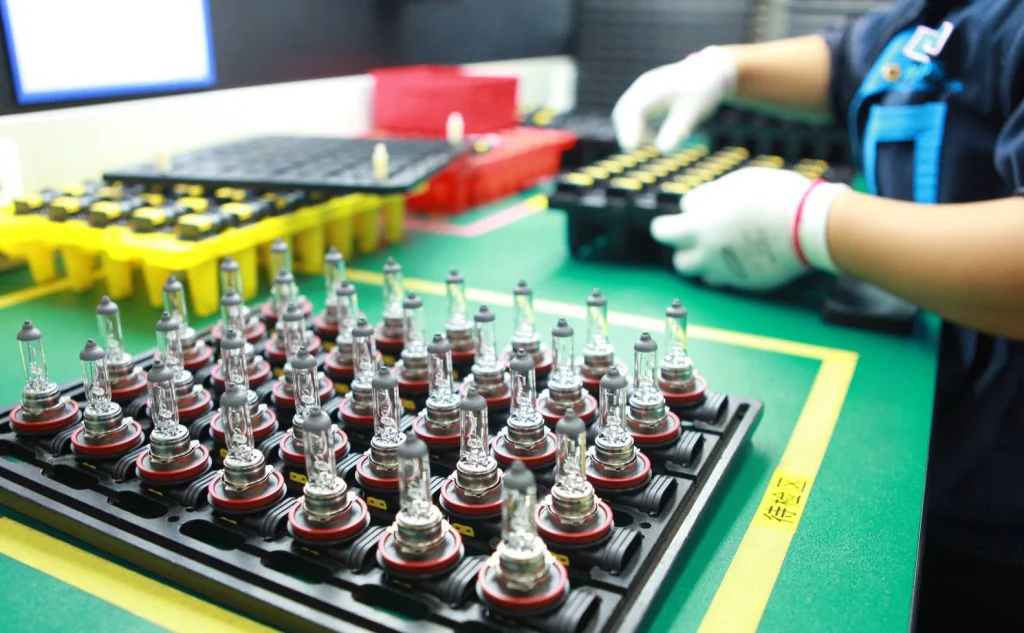
After sample approval, issue a Purchase Order (PO) and confirm your production timeline. Use project management tools or even WeChat to stay in close contact with your supplier.
Milestones should include:
- Material procurement
- Assembly line scheduling
- Quality checks
- Final packaging
Reliable electronics wholesale suppliers will provide photos or videos during production.
Step 5 – Quality Control and Inspection
Never skip QC. Period.
Engage a third-party inspection service (like SGS or QIMA) for:
- Pre-production review
- Mid-line inspection
- Pre-shipment inspection
The checklist should include:
- Functionality test
- Packaging inspection
- Label accuracy
- Compliance verification
Step 6 – Handle Shipping and Customs
Shipping options:
- Air freight: Fast, expensive, good for samples or urgent orders.
- Sea freight: Economical, suitable for bulk orders.
- Courier (DHL/FedEx): Good for small, lightweight shipments.
Prepare for customs by gathering:
- Commercial invoice
- Bill of lading
- Packing list
- Certificate of origin
- Test reports and compliance documents
Ensure you use the correct HS code for electronics. Misclassification can result in fines or clearance delays.
Tips for First-Time Electronics Importers
Watch Out for Intellectual Property Risks
Avoid importing knockoffs. You could be liable for IP infringement, even unknowingly. Ensure your supplier doesn’t use patented designs, and register your trademark in both your country and China.
Manage Voltage and Certification Differences
Don’t assume a Chinese-made gadget will work out of the box in your country. Always verify that power adapters, plugs, and wireless frequencies meet local specs. Some regions ban certain wireless chips altogether.
Build Relationships for Long-Term Success
Loyalty pays off. Suppliers often offer better prices, faster lead times, and more flexibility for repeat buyers. They may also extend credit terms after a few successful orders. Strong relationships are especially vital when you’re customizing a private label electronics line.
Common Mistakes to Avoid
Blindly Trusting Online Listings
That perfect product on Alibaba might be a photoshopped stock image. Always request real-time product photos or video walkthroughs. Better yet, ask for a factory video call.
Ignoring After-Sales Support
Electronics are prone to defects. Make sure your supplier offers:
- A 1% free spare parts policy
- Repair or replacement options
- Clear warranty terms
Miscalculating Total Landed Cost
Don’t forget:
- Customs duty
- Freight insurance
- Port handling charges
- Domestic delivery
Use landed cost calculators or consult your freight forwarder. This protects your margins and avoids surprise costs.
FAQs About Importing Electronics from China
Is it legal to import branded electronics from China?
No—unless you have written authorization. Importing branded goods without a license is illegal and risky.What certifications are required in the US/EU?
CE, FCC, RoHS, UL, depending on the product category. Always consult a regulatory expert.Can I import small batches to test demand?
Yes. Many suppliers offer low-MOQ versions for testing. You can also use B2B sample programs.How long does shipping from China take for electronics?
- Courier: 3–7 days
- Air freight: 7–12 days
- Sea freight: 25–40 days
Do suppliers support private label electronics?
Absolutely. Most medium-to-large manufacturers support custom logo, packaging, and firmware adjustments.
Key Takeaways for Global Buyers
Successfully managing the process of how to import electronics from China requires far more than a quick Google search and a low quote. As a buyer, you’re entering a well-established ecosystem—one filled with innovation, scale, and opportunity, but also challenges like compliance risk, supplier vetting, and cost forecasting.
The good news? When you apply a structured, informed sourcing approach, you reduce risk and improve profitability. Whether you’re entering the market for the first time or looking to scale an existing electronics line, China remains the most resource-rich origin for electronics sourcing in the world.
Looking for Supplier Support or More Guidance?
If you’re still exploring your options or navigating the early stages of sourcing, consider consulting with professionals familiar with the electronics supply chain in China. Requesting sample quotes, verifying certification requirements, or arranging third-party inspections are all smart next steps.
Whether you’re dealing with private label, bulk orders, or component-based assembly, it’s worth investing time upfront to avoid expensive mistakes later. A well-executed procurement plan leads to smoother shipments and better long-term relationships with your suppliers.

Ivy is a Sourcing Specialist at Sellers Union. She shares hands-on experience in supplier selection, quality control, and market trends to help global wholesalers make informed decisions. Her goal is to simplify the sourcing process and help brands build efficient supply chains in the industry.







 U***
U*** C*******
 Z*****
 U*****
 F***
F*** H***
H*** X*****
 A*****
 F******
 G****
G**** D****
D****