











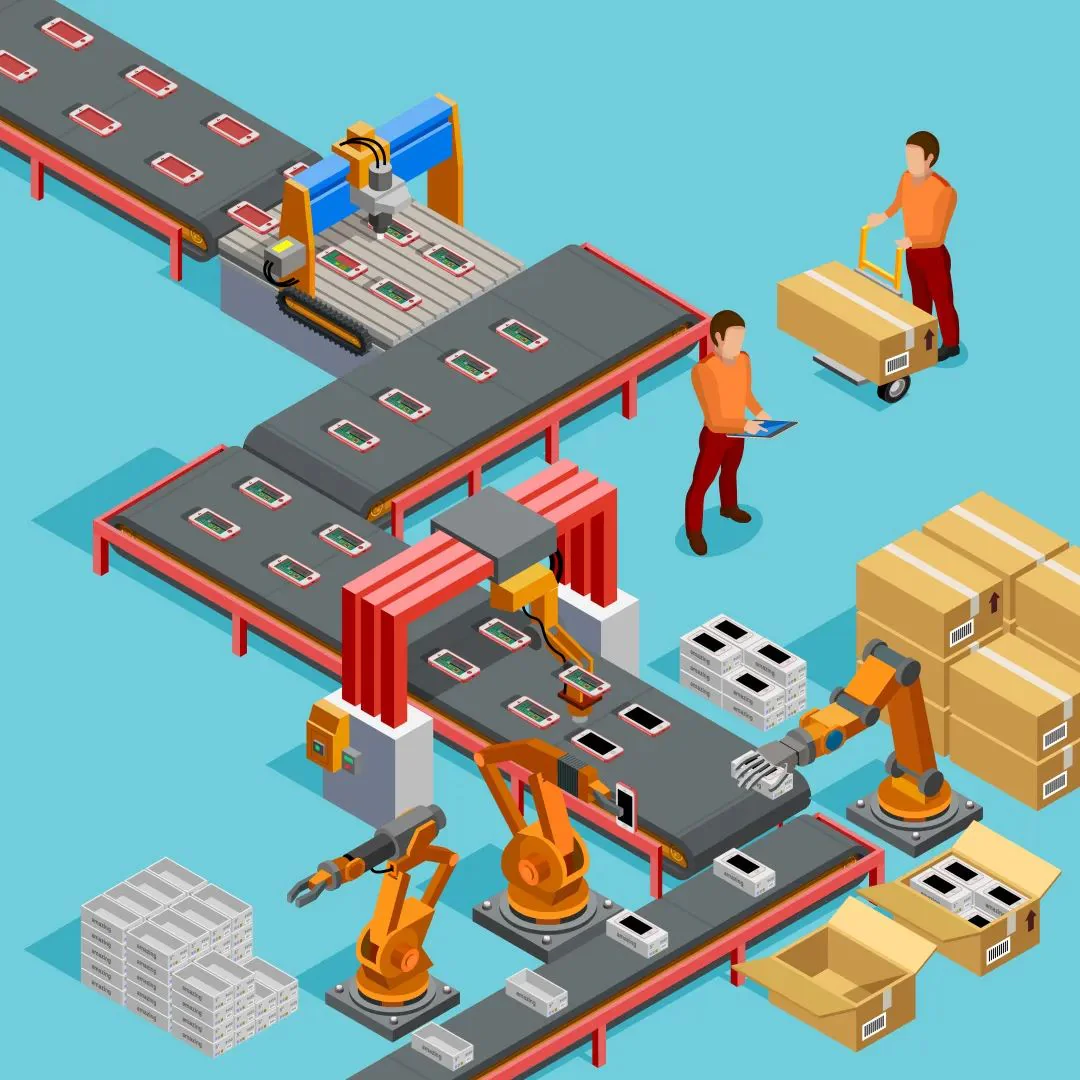
Population advantage
China’s title as the “factory of the world” is no accident, and its demographic advantage is one of the important reasons. It is indisputable that China has the largest population in the world. According to the latest data, China’s population exceeds 1.4 billion, which means that China has a huge labor pool. This population size gives China a huge advantage, allowing it to provide a large number of cheap labor, attracting a large number of foreign companies to set up factories in China to produce goods.
China has abundant labor resources, which makes the labor cost in China relatively low. Compared with developed countries, Chinese workers’ wages are low, which reduces production costs and makes Chinese products more competitively priced. Foreign companies see this advantage and choose to set up factories in China to take advantage of China’s cheap labor to produce goods. This phenomenon has been particularly prominent in the past few decades, with the rapid rise of China’s manufacturing industry as an important center of global manufacturing.
China’s population advantage is not only reflected in the quantity, but also reflected in the quality of the labor force. The quality of China’s labor force continues to improve, and more and more Chinese workers have received higher education and technical training, which has improved the overall level of the labor force. This makes China’s labor force not only cheap, but also has certain technical and professional capabilities to meet different types of production needs.
China’s demographic advantages also provide more choices and opportunities for foreign enterprises. Setting up a factory in China can not only reduce production costs, but also take advantage of China’s huge market and supply chain system to better serve the global market. China’s population size and market demand provide huge business opportunities for foreign enterprises, attracting a large number of foreign investment and foreign enterprises to invest and start business.
Cheap labor
China as the “world factory” title, cheap labor is one of the important reasons. China’s relatively low labor costs are significant in global manufacturing. Compared with developed countries, Chinese workers’ wages are low, which reduces production costs and makes Chinese products more competitively priced. This advantage has attracted a large number of foreign companies to set up factories in China to produce goods.
China’s relatively low labor costs are caused by a combination of factors. First of all, China has a large population and abundant labor resources, which makes the labor supply relatively abundant, the labor market fierce competition, and the wage level relatively low. Secondly, China’s social security system is relatively imperfect, and social insurance, welfare and other expenditures in labor costs are relatively low, which reduces the employment cost of enterprises. Moreover, the quality of China’s labor force continues to improve, with more and more workers receiving higher education and technical training, which improves the overall level of the labor force, making the labor force not only cheap, but also equipped with certain technical and professional capabilities.
China’s cheap labor provides foreign companies with an important competitive advantage. Foreign enterprises can make use of China’s cheap labor to produce goods, reduce production costs and improve product price competitiveness. This has made China a popular destination to attract foreign investment and investment by foreign enterprises, many of which choose to set up factories in China to take advantage of China’s cheap labor force to produce goods to meet the global market demand.
China’s cheap labor has also provided strong support for China’s rapid economic development. A large number of foreign investment and foreign enterprises have driven the rapid development of China’s manufacturing industry and promoted the growth of China’s economy. The rapid rise of China’s manufacturing industry has become an important center of the global manufacturing industry, providing strong support for the rapid rise of China’s economy.
Perfect industrial chain
As the “world factory” title, China has a complete industrial chain and supply chain system is one of the important reasons. China’s industrial chain and supply chain system is very developed, a variety of raw materials, parts and processing technology is complete, can meet various production needs. This has made it easier and more efficient to produce products in China, attracting a large number of foreign companies to set up factories in China to produce goods.
China’s complete industrial chain is one of the important pillars for China to become a “world factory”. China’s industrial chain covers multiple fields, covering the entire production process from raw material procurement, parts production to final product processing. China has rich resources and technology to provide a variety of raw materials and components to meet the production needs of different industries and products. This complete industrial chain provides convenience for foreign enterprises, making it more efficient and convenient to produce products in China.
China’s supply chain system is also very developed, providing a full range of support for foreign enterprises. China’s supply chain system includes raw material supply, parts supply, logistics transportation, processing and manufacturing, forming a complete supply chain network. This supply chain system allows foreign enterprises to easily find the necessary raw materials and parts in China for production and processing, improving production efficiency and reducing production costs.
China’s sound industrial chain and supply chain system provide foreign enterprises with more choices and opportunities. Setting up a factory in China can not only take advantage of China’s cheap labor, but also take advantage of China’s complete industrial chain and supply chain system to better serve the global market. China’s industrial chain and supply chain system have provided convenience and support for foreign enterprises, attracting a large number of foreign investment and enterprises to invest and start business.
China’s sound industrial chain and supply chain system have also provided strong support for the rapid development of China’s economy. China’s manufacturing industry has risen rapidly, becoming an important center of global manufacturing, and China’s product exports rank among the top in the world. China’s sound industrial chain and supply chain system have provided strong support for the development of China’s manufacturing industry and promoted the growth of China’s economy.
Government support
China as the “world factory” title, government support is one of the important reasons. The Chinese government has implemented a series of policies and measures to support the development of the manufacturing industry, including tax incentives, land subsidies, loan support, etc., which has attracted a large number of foreign investment and foreign enterprises to invest and start business. This government support has provided strong support for the rapid development of China’s manufacturing industry, making China an important center of global manufacturing.
The Chinese government’s support for manufacturing is evident in several ways. First of all, the Chinese government has implemented preferential tax policies to reduce the tax burden for manufacturing enterprises and reduce business costs. Tax incentives can include the reduction of corporate income tax, value-added tax and other taxes, so that enterprises can have more funds for production and technological upgrading, and improve competitiveness. Secondly, the Chinese government also provides financial policies such as land subsidies and loan support to provide financial support for enterprises, reduce their financing costs and promote their development. These policies and measures have attracted a large number of foreign investment and foreign enterprises to invest and start business, and promoted the rapid development of China’s manufacturing industry.
The policy support of the Chinese government has provided a strong guarantee for foreign enterprises to invest and do business in China. When foreign enterprises set up factories in China, they can enjoy tax incentives and financial support provided by the Chinese government, which has reduced their operating costs and improved their profitability. The policy support of the Chinese government has also provided more development opportunities for foreign enterprises, promoted the inflow of foreign capital and promoted the development of China’s manufacturing industry.
The policy support of the Chinese government has also provided strong support for the rapid development of the Chinese economy. China’s manufacturing industry has risen rapidly, becoming an important center of global manufacturing, and China’s product exports rank among the top in the world. The policy support of the Chinese government has provided strong support for the development of China’s manufacturing industry and promoted the growth of China’s economy. The policy support of the Chinese government has also provided an important guarantee for China’s economic restructuring and industrial upgrading, and promoted the transformation and upgrading of the Chinese economy.
Market demand
One of the important reasons why China is called the “world factory” is the market demand. China has a huge domestic market demand and huge consumption potential. Many foreign companies choose to set up factories in China to not only meet the domestic market demand, but also use China as an export base to sell their products around the world. The huge potential of this market demand has made China an important center of global manufacturing.
As one of the most populous countries in the world, China has a huge domestic market demand. With the rapid development of China’s economy and the acceleration of urbanization, the purchasing power of Chinese consumers is increasing, and the demand for various products is also growing. The huge potential of the Chinese market has attracted many foreign enterprises to invest and start business. By setting up factories in China, these foreign enterprises can better meet the needs of Chinese consumers and gain more market share.
In addition to the huge domestic market demand, China’s position as an export base is also an important factor in attracting foreign companies. China has a well-developed infrastructure and convenient logistics network that can quickly and efficiently ship products to other parts of the world. China’s export trading system is also relatively complete, and products produced by foreign enterprises in China can more easily enter the international market. Therefore, many foreign enterprises choose to set up factories in China to not only meet the domestic market demand, but also use China as an export base to sell their products around the world.
China’s status as the “world’s factory” not only benefits from the huge domestic market demand and export base status, but also benefits from the policy support and talent advantages of the Chinese government. The Chinese government has implemented a series of policies and measures to support the development of the manufacturing industry, attracting a large number of foreign investment and foreign enterprises to invest and start business. China has abundant labor resources and technical talents, which provide strong support for the development of the manufacturing industry. Together, these factors have made China an important center of global manufacturing, known as the “factory of the world”.
Technology and innovation
One of the key factors behind China’s reputation as the “world’s factory” is technology and innovation. In recent years, China has made great progress in the field of science and technology and innovation, constantly improving product quality and technological level. This has made China’s manufacturing sector more competitive and attracted more foreign companies to choose to produce products in China.
The rise of China’s manufacturing industry is inextricably linked to technology and innovation. The Chinese government has been committed to promoting scientific and technological innovation, increasing investment in scientific and technological research and development, and encouraging enterprises to strengthen technological innovation. In recent years, China has made remarkable progress in artificial intelligence, big data, cloud computing and other fields, becoming one of the important forces in global scientific and technological innovation. The achievements of these scientific and technological innovations have not only improved the technical level of China’s manufacturing industry, but also improved product quality and production efficiency.
The competitiveness of China’s manufacturing industry continues to improve, thanks to the promotion of technological innovation. Chinese enterprises continue to introduce advanced production technology and equipment to improve production efficiency and product quality. At the same time, Chinese enterprises have also made important achievements in independent research and development and innovation, which has promoted the upgrading and transformation of the manufacturing industry. Such technological innovation efforts have made China’s manufacturing industry more competitive and attracted more foreign companies to choose to produce products in China.
The development of China’s manufacturing industry has also benefited from personnel training and technology transfer. China has huge labor resources and technical talents, which provides strong support for the development of the manufacturing industry. The Chinese government actively promotes technology transfer and industry-university-research cooperation to strengthen personnel training and enhance scientific and technological innovation capabilities. These initiatives have promoted the spread and application of technology and innovation, and promoted the development and upgrading of China’s manufacturing industry.

Ivy is a Sourcing Specialist at Sellers Union. She shares hands-on experience in supplier selection, quality control, and market trends to help global wholesalers make informed decisions. Her goal is to simplify the sourcing process and help brands build efficient supply chains in the industry.










 H*****
 M*******
 Z******
 I****
I**** U****
U**** Z******
 G****
G**** R******
 T******
 K******
 B******
 S*****