








1. Understanding Blanket Fabric Material: Key Types and Characteristics
When it comes to blanket sourcing, China remains one of the largest and most competitive markets globally, offering a vast range of materials, styles, and price points. If you’re planning to importing from China or develop a private label product line, understanding the different blanket fabric materials is essential. Blanket fabrics generally fall into four main categories: natural fibers, synthetic fibers, blended textiles, and specialty processed materials, each with distinct performance characteristics. If you are interested in these, please keep reading. This article will provide you with the most comprehensive introduction to the materials of blankets.
2. Natural Blanket Material Types and Their Advantages
Natural fibers remain the gold standard for premium blankets, prized for their breathability, moisture regulation, and inherent antimicrobial properties.
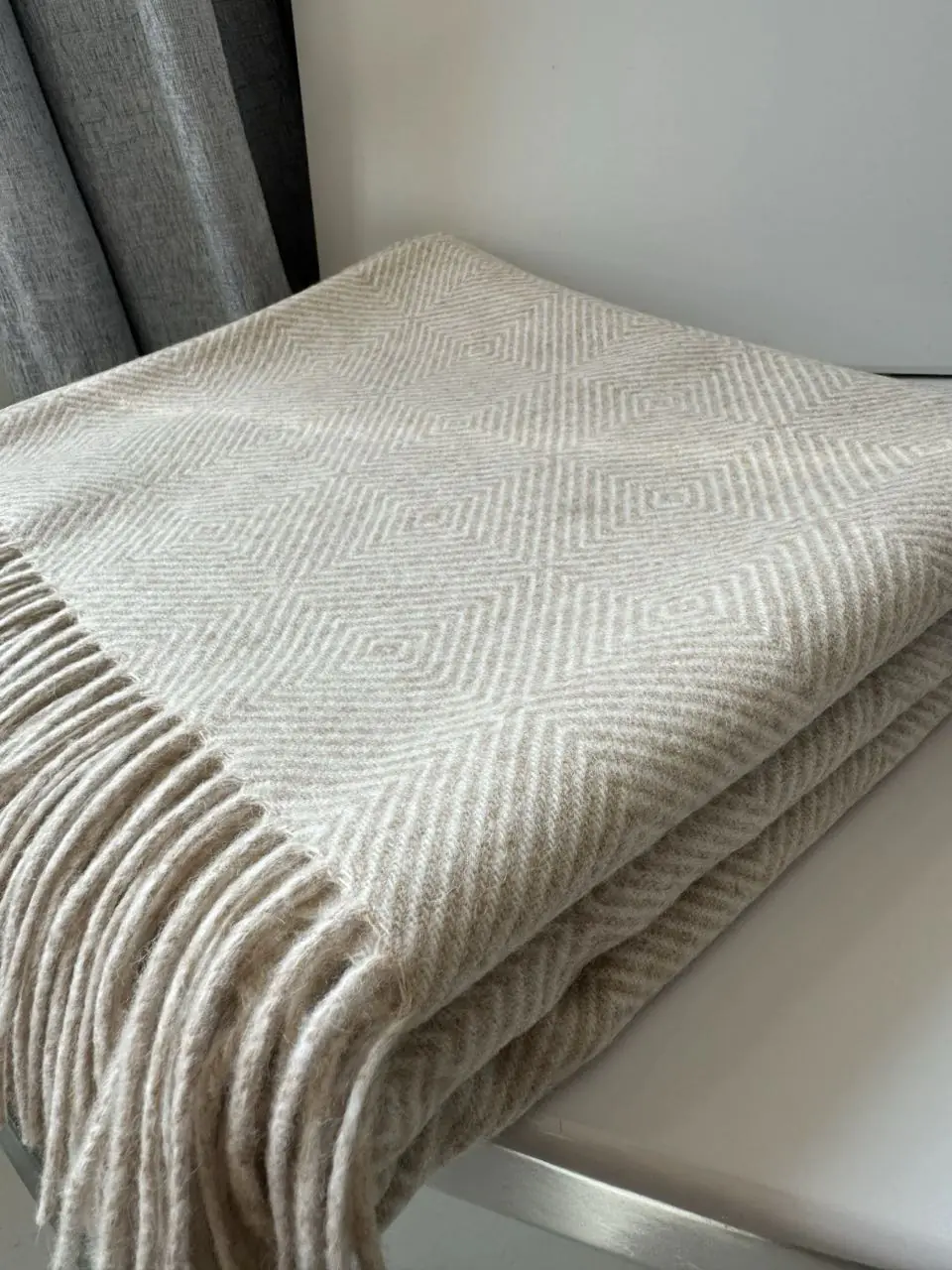
Wool Blanket
- Varieties and Fiber Characteristics: Wool used in blankets primarily comes from sheep breeds such as Merino, Cashmere goats, and Alpaca animals. Merino wool fibers are fine and soft, ranging from 17 to 24 microns in diameter, which gives blankets a luxurious feel without itchiness. Cashmere fibers are even finer, typically 14 to 19 microns, known for supreme softness and warmth. Alpaca wool is hypoallergenic and less greasy due to its lower lanolin content, providing a lightweight but insulating fabric alternative.
- Thermal Properties: Wool naturally traps air within its crimped fibers, delivering exceptional insulation and moisture regulation. This makes wool blankets highly effective for colder climates and premium winter bedding solutions. Wool’s breathability allows for temperature balance, preventing overheating while maintaining warmth.
- Durability and Care: Wool fibers exhibit natural elasticity and resilience, resisting wrinkling and abrasion—qualities valued in bulk hotel or airline bedding. However, wool requires careful maintenance, often dry cleaning or gentle hand washing, to preserve fiber integrity and avoid shrinkage.
- Sustainability and Sourcing: Wool is a renewable, biodegradable fiber. High-quality wool sourced from ethical farms or certified sustainable producers adds value for environmentally conscious B2B clients.
Cotton Blanket
- Fiber Quality and Types: Cotton fibers used in blankets can vary from regular carded cotton to combed and organic cotton. Combed cotton undergoes an additional process removing short fibers and impurities, resulting in a smoother and stronger yarn ideal for long-lasting blankets. Organic cotton is grown without synthetic pesticides or fertilizers, appealing to health- and environment-conscious markets.
- Comfort and Versatility: Cotton’s soft, breathable nature makes it highly suitable for year-round use, especially in warmer climates or transitional seasons. It offers excellent moisture absorption, keeping users comfortable and dry.
- Manufacturing Advantages: Cotton blankets can be produced in a wide range of weights (150-300 gsm) and finishing styles, such as brushed or percale, allowing B2B buyers to tailor products for various market segments from children’s bedding to luxury home textiles.
- Care and Longevity: Cotton is durable and easy to maintain, supporting machine washing and drying without significant loss of shape or softness. This practicality appeals to bulk buyers needing low-maintenance goods.
Linen Blanket
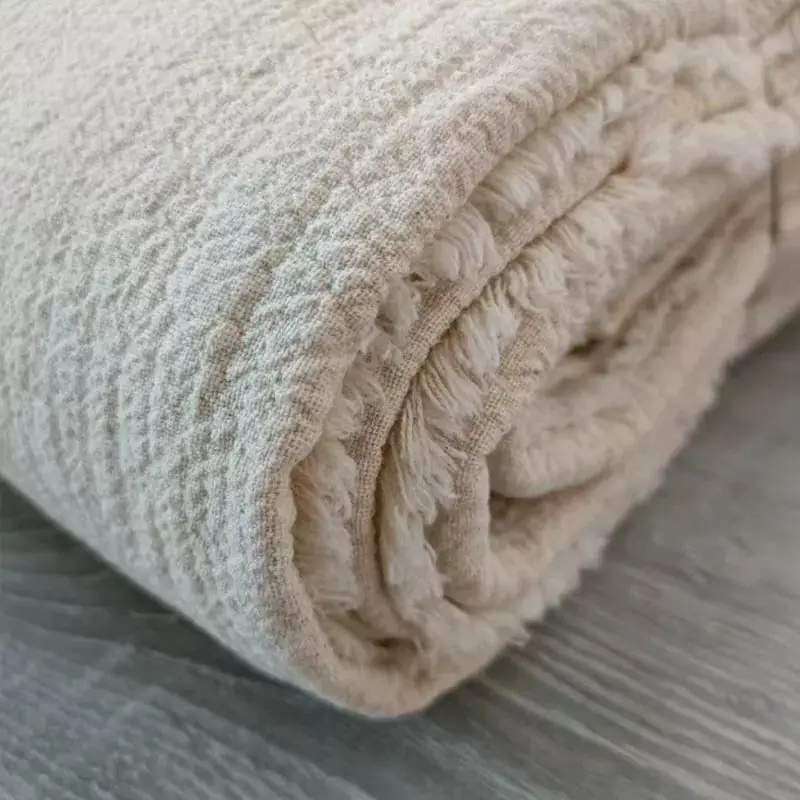
- Fiber Properties: Linen fibers, extracted from flax plants, are longer and stronger than cotton fibers, lending natural durability to blankets. The coarser texture of linen contributes to a characteristic crispness and a slightly rough feel, which can be softened through advanced finishing techniques like enzyme washing.
- Moisture Management: Linen’s exceptional moisture-wicking ability quickly absorbs and releases sweat, making it a perfect fabric for warm-weather blankets or outdoor picnic throws. Its breathability supports cooling comfort even in hot climates.
- Longevity: Linen blankets are known for their strength and longevity; the fabric tends to become softer and more comfortable with each wash, a valuable selling point for B2B buyers focused on durable products.
- Eco-Friendly Profile: Flax cultivation requires fewer resources compared to cotton, positioning linen as an environmentally friendly choice for sustainable sourcing initiatives.
Silk Blanket
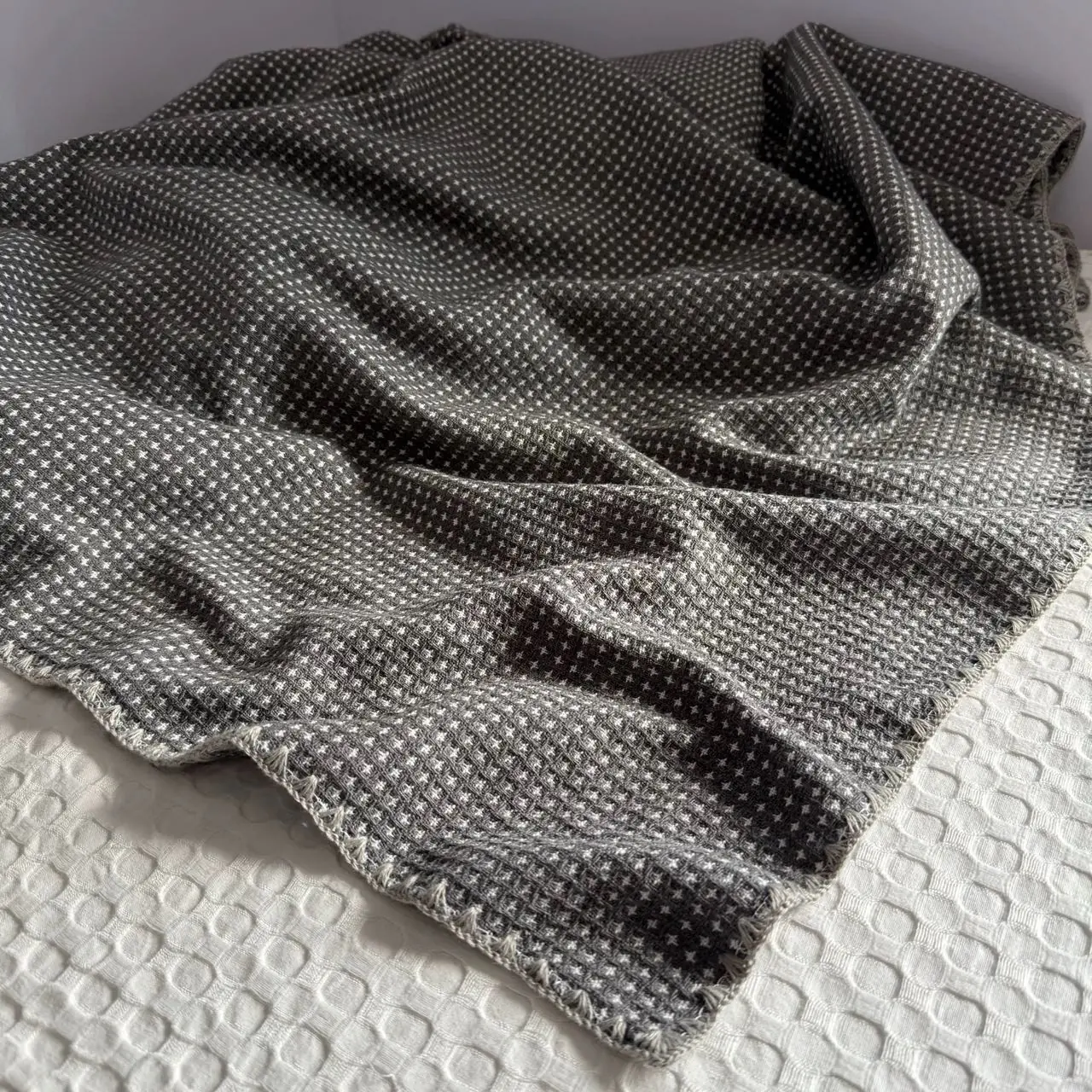
- Fiber Composition and Feel: Silk fibers are composed primarily of fibroin protein, resulting in an ultra-fine filament with a smooth surface that reflects light, producing the iconic sheen. This delicate structure offers a soft, luxurious texture sought in premium blankets and wraps.
- Thermoregulation: Silk naturally regulates temperature by allowing heat to escape and retaining warmth when needed. This makes silk blankets versatile for use in variable climates and transitional seasons.
- Care Considerations: Despite its appeal, silk is delicate and prone to damage by harsh detergents and rough handling. Professional dry cleaning or careful hand washing with mild detergents is essential, which can increase post-sale service considerations for bulk purchasers.
- Market Positioning: Silk blankets target niche, high-end markets such as luxury hospitality, gifting, and custom private label lines where quality and exclusivity justify higher pricing.
Bamboo Blanket
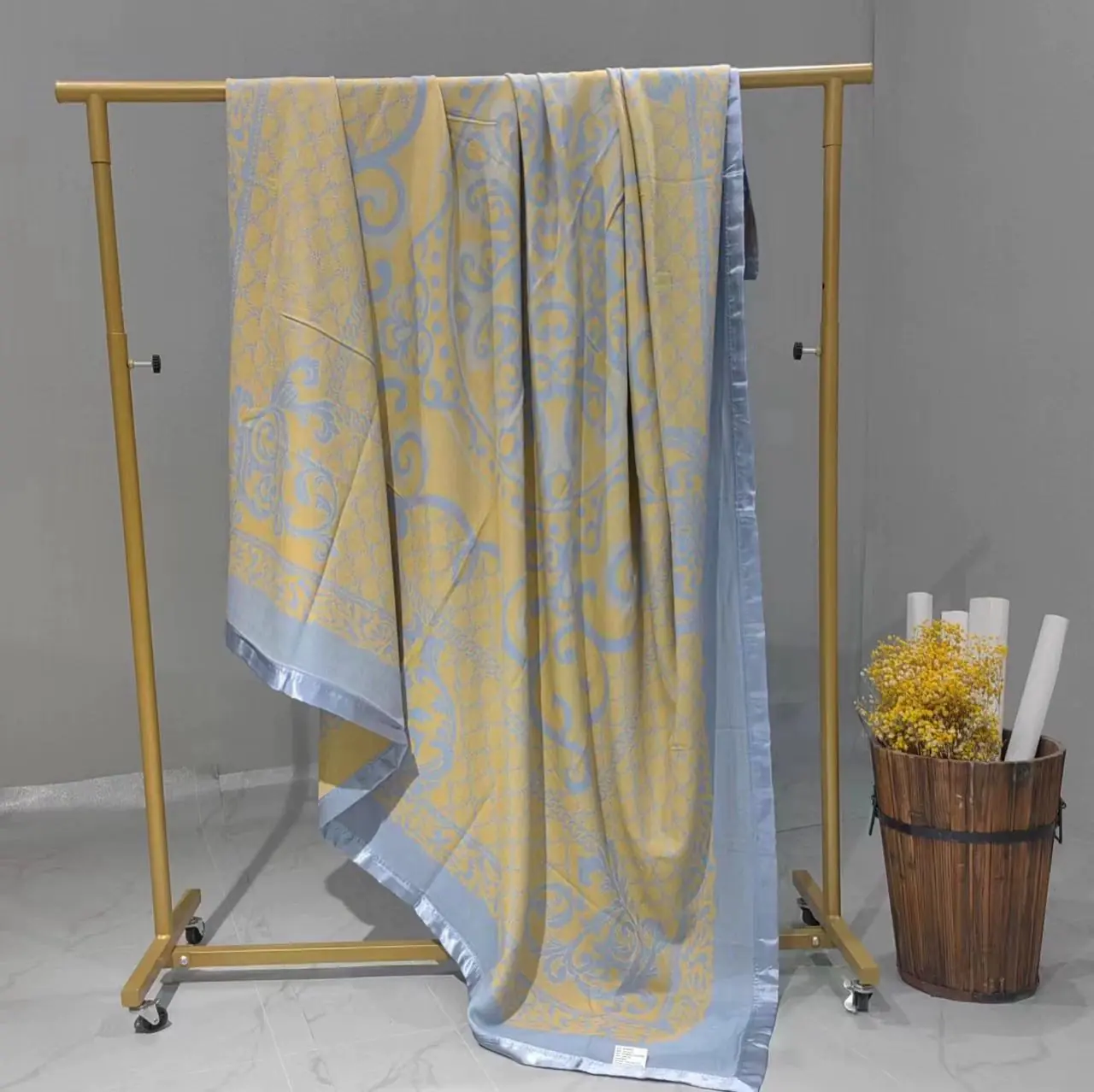
- Origin and Production: Bamboo fibers are derived from the pulp of bamboo grass, processed mechanically or chemically into soft textile fibers. The semi-synthetic production can vary, but modern closed-loop systems improve environmental impact significantly.
- Performance Features: Bamboo fabric exhibits natural antibacterial and antifungal properties, reducing odors and skin irritation—critical benefits for children’s blankets and sensitive skin applications. It is also highly breathable and moisture-wicking, promoting comfort in warm conditions.
- Sustainability Aspect: Bamboo is a fast-growing, renewable resource requiring minimal pesticides or water, supporting eco-conscious supply chains and meeting growing global demand for sustainable textiles.
- Care and Durability: Bamboo blankets typically require gentle machine washing and air drying to maintain softness and longevity, making them suitable for mid- to high-end markets emphasizing health and sustainability.
3. Synthetic Blanket Fabric Types: Durability and Cost Efficiency
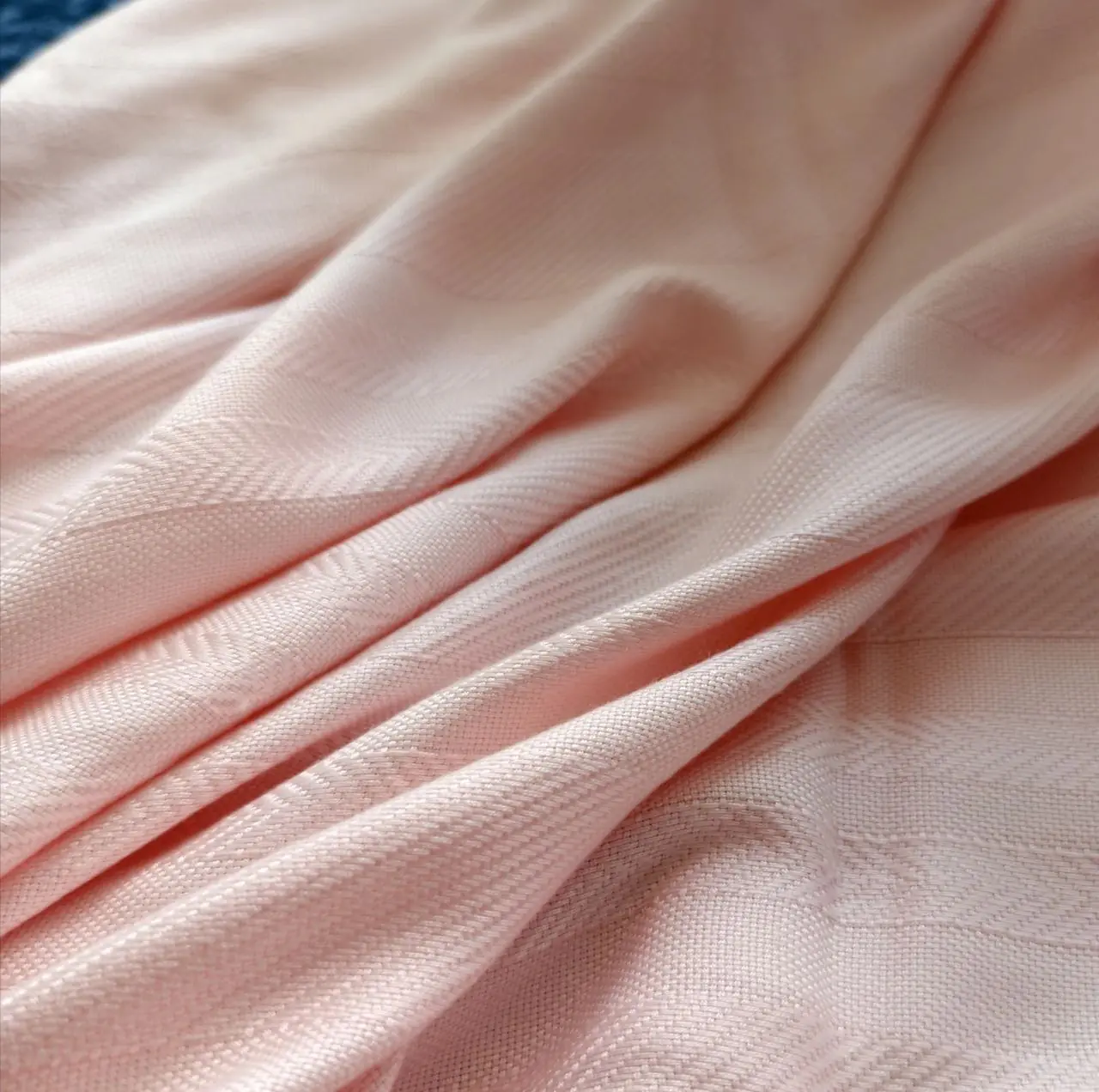
Synthetic fibers dominate the market for their affordability, durability, and ease of care, making them ideal for high-volume wholesale and budget-conscious clients.
Polyester Blanket
- Fiber Structure and Properties: Polyester is a synthetic polymer fiber made from polyethylene terephthalate (PET). Its molecular structure offers excellent tensile strength, resistance to stretching and shrinking, and a smooth surface that resists pilling. The fiber’s hydrophobic nature makes it quick-drying but less breathable compared to natural fibers.
- Manufacturing Advantages: Polyester is widely produced at scale with consistent quality and colorfastness, making it highly suitable for large-volume wholesale and private label production. Advances in microfiber polyester have improved softness and moisture-wicking abilities, narrowing the comfort gap with natural fibers.
- Performance in End-Use: Polyester blankets are durable and abrasion-resistant, suitable for environments requiring frequent washing such as hotels, airlines, and hospitals. They resist mildew and retain shape after laundering, contributing to lower lifecycle costs for bulk buyers.
- Care Instructions: Polyester is machine washable and fast-drying. However, excessive heat during washing or drying can degrade fibers or cause shrinkage. Anti-static finishes are often applied to reduce static cling, which is a common issue in synthetic fabrics.
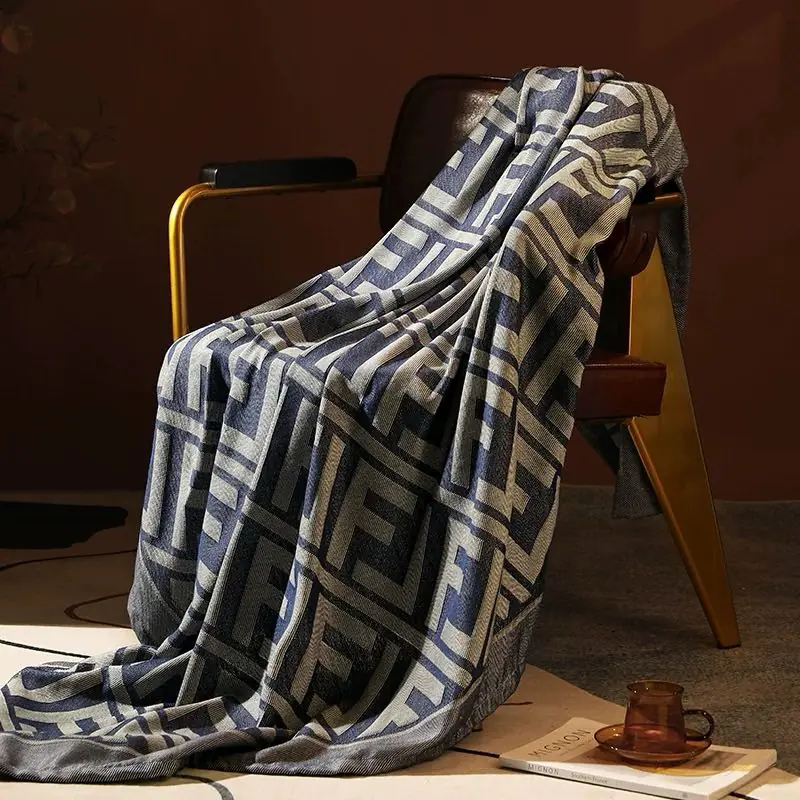
Acrylic Blanket
- Fiber Characteristics: Acrylic fibers are polymerized acrylonitrile compounds designed to mimic wool’s appearance and feel. They are lightweight, soft, and provide good thermal insulation without the weight and moisture absorption of wool.
- Advantages for Wholesale: Acrylic is resistant to moth damage and mildew, making it a cost-effective alternative for warmth-oriented blankets. The fiber’s dyeability ensures vibrant, long-lasting colors, an important consideration for private label and branded products.
- Limitations: Acrylic is prone to static electricity buildup, which can attract lint and cause discomfort. Anti-static agents or fabric softeners may be required during finishing or care. The fiber can also pill over time if not treated properly during manufacturing.
- Care Recommendations: Acrylic blankets should be washed on gentle cycles with cold water and dried at low temperatures to prolong fabric life and reduce static.
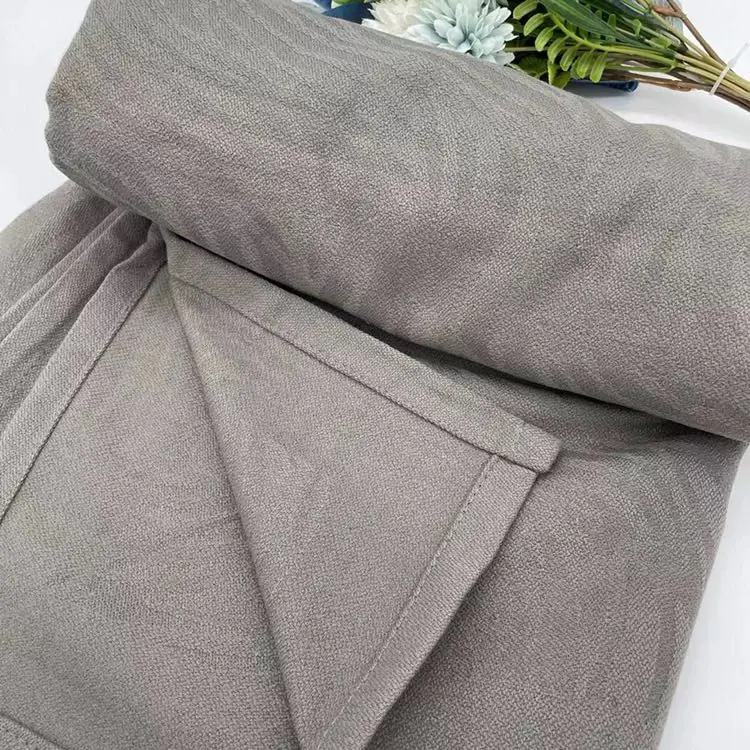
Flannel Blanket
- Fabric Construction: Flannel is traditionally a woven fabric, often made from cotton or cotton-polyester blends, that undergoes a napping or brushing process to raise fine fibers from the surface, creating a soft, fuzzy texture.
- Thermal and Tactile Properties: This raised nap traps air and enhances insulation, making flannel blankets especially warm and comforting during cooler seasons. The plush surface also provides a luxurious tactile experience that appeals to end consumers.
- Production Flexibility: Blending cotton with polyester balances softness with increased durability and wrinkle resistance, optimizing cost and performance for bulk supply. Flannel blankets are popular in both consumer and institutional markets due to these combined attributes.
- Care and Maintenance: Flannel’s dense nap requires careful washing to avoid matting or shrinkage. Cold water washing and tumble drying on low heat are standard recommendations.
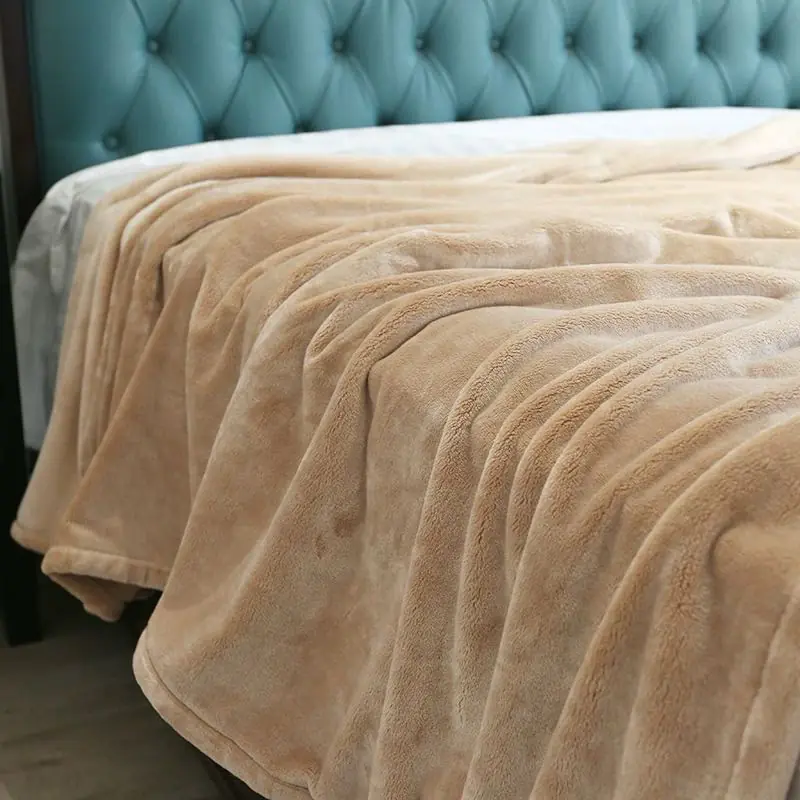
Fleece Blanket
- Material and Manufacturing: Fleece is a knitted polyester fabric brushed on one or both sides to create a thick, pile surface with high loft and softness. The knitting process provides stretch and breathability uncommon in woven fabrics.
- Performance Advantages: Fleece blankets offer exceptional warmth-to-weight ratio, moisture-wicking properties, and rapid drying, ideal for outdoor gear, sports apparel, and children’s blankets. Their insulating capacity is often comparable to wool but without the weight or care restrictions.
- Commercial Appeal: Due to its easy care and affordability, fleece is favored in bulk orders for casual and active markets. The fabric resists pilling when produced with anti-pilling finishes, extending product life in heavy-use scenarios.
- Care Instructions: Machine washable and dryable, fleece should be laundered without fabric softeners to maintain its loft and breathability.
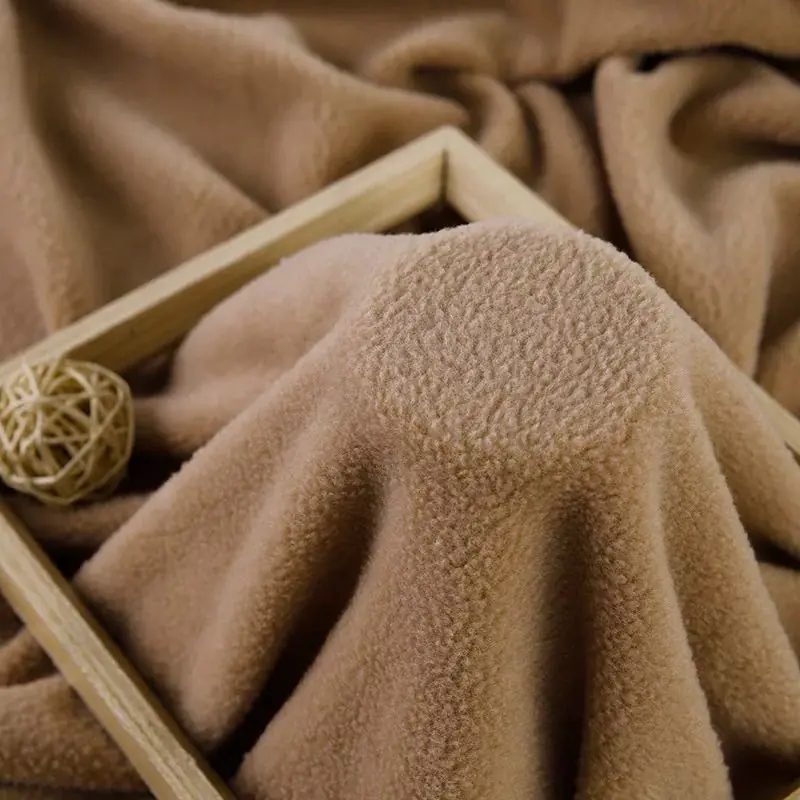
5. Microfiber
- Fiber Structure: Microfiber consists of extremely fine synthetic fibers, typically polyester or nylon, with diameters less than one denier. This high fiber density produces a tightly woven fabric that feels exceptionally smooth and soft.
- Functional Benefits: Microfiber blankets are lightweight, highly absorbent, and stain-resistant, often preferred for travel, hospital use, or layering. The dense weave also provides effective wind and water resistance when treated.
- Market Applications: Its fine texture and easy care make microfiber suitable for mid-range private label brands seeking a blend of luxury feel and cost control. Microfiber blankets are also widely used in promotional product sectors due to their customizable nature.
- Maintenance: Machine washable and quick drying, microfiber requires minimal special care but should be washed separately from lint-producing fabrics.
4. Mixed and Specialty Blanket Fabrics for Customized Solutions
Blended fabrics combine the strengths of natural and synthetic fibers to achieve desired performance characteristics at optimized price points.
Cotton-Polyester Blends
- Fabric Composition and Benefits: Blending cotton and polyester fibers combines the natural breathability and softness of cotton with the durability and wrinkle resistance of polyester. Typical blend ratios range from 60/40 to 80/20, allowing suppliers to tailor fabric hand feel and performance according to client needs.
- Performance Characteristics: These blends offer improved shrinkage control and colorfastness compared to 100% cotton, while maintaining comfort for daily use. The presence of polyester enhances abrasion resistance, extending the blanket’s lifespan in bulk applications like hospitality and corporate gifting.
- Production and Sourcing Advantages: Cotton-polyester blends are widely produced with consistent quality, offering competitive pricing and scalable production volumes, which suit large wholesale and private label orders.
- Care and Durability: Easy to maintain with machine washability and good dimensional stability, making these blankets attractive for markets requiring low maintenance and high turnover.
Wool-Acrylic Blends
- Rationale for Blending: Combining wool with acrylic fibers aims to retain the warmth and natural properties of wool while reducing costs and enhancing product durability. Acrylic’s resistance to moth damage and ability to maintain shape complements wool’s thermal insulation.
- Fabric Attributes: These blends typically feature softer hand feel and lighter weight than pure wool blankets, broadening their appeal in colder climates where price sensitivity exists.
- Industrial Applications: Commonly used in mid-tier winter blankets targeted at mass retail and private label brands, these blends facilitate volume sourcing with consistent quality.
- Care Instructions: Given wool’s sensitivity, blended fabrics require gentle cleaning protocols, often cold water washing or dry cleaning, to preserve fiber integrity.
Silk-Cotton Blends
- Fabric Qualities: Silk-cotton blends combine the lustrous sheen and smoothness of silk with cotton’s durability and breathability. This synergy produces blankets with enhanced aesthetic appeal and practical comfort.
- Market Positioning: Targeted towards luxury and boutique brands, these blends offer a unique value proposition for gift sets, specialty retail, and upscale hospitality segments.
- Production Challenges: Due to differing fiber properties, blending silk and cotton requires precise spinning and weaving controls to maintain uniformity and fabric strength.
- Care Considerations: Silk-cotton blankets necessitate careful laundering, usually dry cleaning or gentle hand washing, to prevent damage and preserve the fabric’s sheen.
5. Special Blanket Fabrics
Coral Fleece Blanket
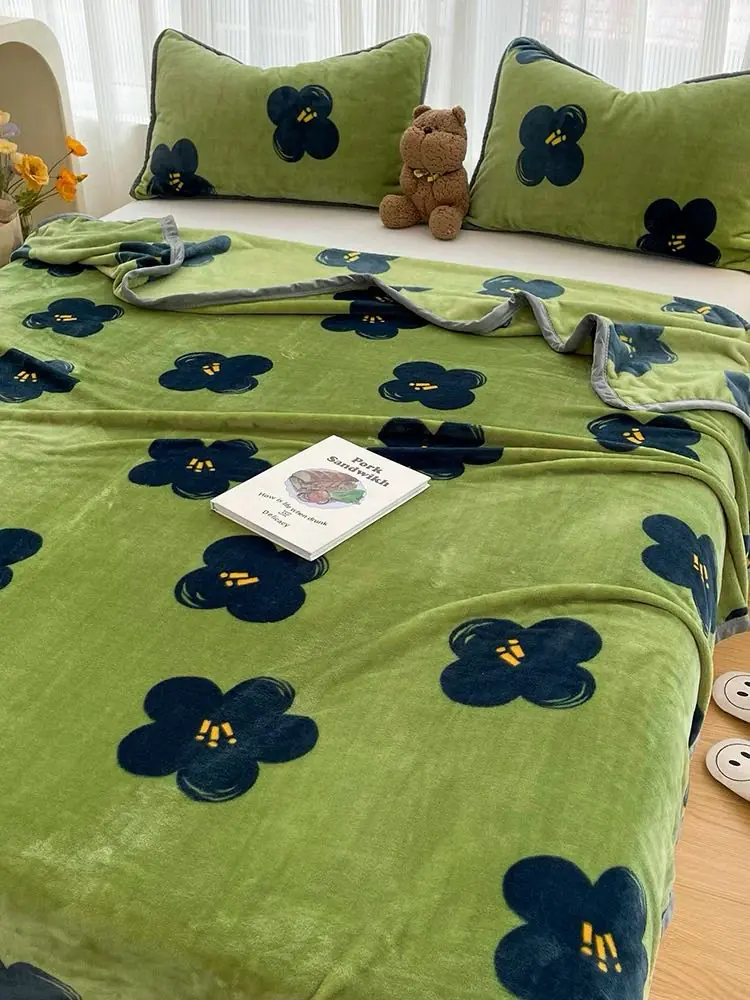
- Material and Manufacturing: Coral fleece is made from ultra-fine polyester microfibers, tightly knitted and then brushed on both sides to create a soft, plush pile. The fabric surface resembles coral in texture, with high-density fibers that contribute to its luxurious hand feel.
- Performance Advantages: Coral fleece delivers excellent insulation with a smooth, velvety touch. Its dense structure traps heat efficiently, making it ideal for cooler seasons. The fine fibers also give it superior softness compared to standard fleece or flannel.
- Commercial Appeal: Widely used in household and children’s blanket lines, coral fleece supports vivid dyeing and custom printing, making it a favorite for private label branding. It’s especially popular in mid-market and giftable products due to its visual and tactile appeal.
- Care Instructions: Machine washable on a gentle cycle with mild detergent. Quick-drying and shrink-resistant, though air drying is recommended to maintain the fabric’s plushness.
Sherpa Blanket
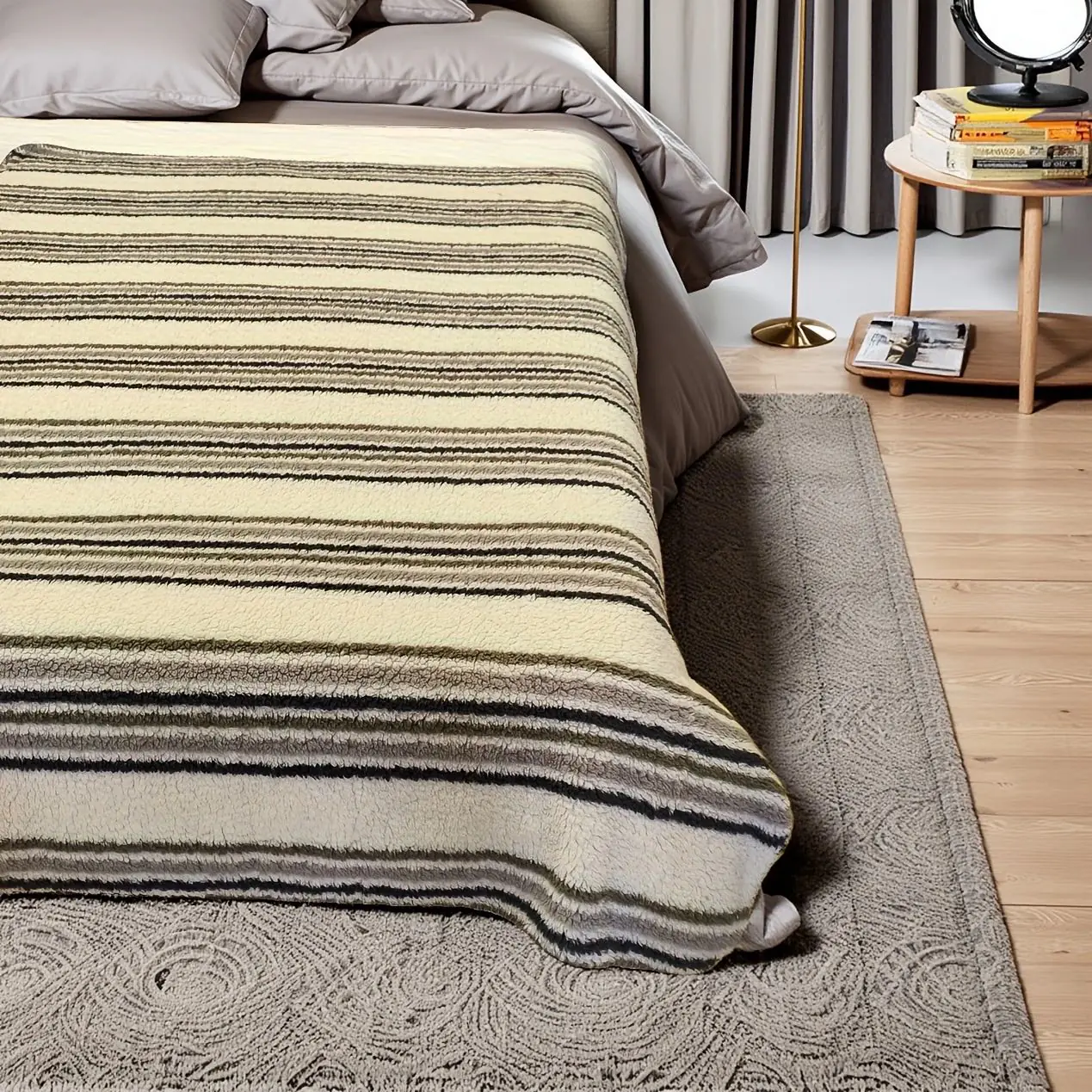
- Material and Manufacturing: Sherpa fleece is a double-sided fabric with a smooth knit on one side and a high-loft, curly pile on the other, mimicking natural lamb’s wool. It’s typically made from polyester or a poly-cotton blend and constructed using a warp-knit process.
- Performance Advantages: The curled pile traps air for maximum warmth and insulation, while the inner layer provides structure and comfort. Sherpa is breathable yet highly thermal, offering exceptional softness and heat retention.
- Commercial Appeal: Sherpa is widely used in casual throws, hooded blankets, loungewear, and pet products. Its high perceived value at moderate cost makes it ideal for bulk seasonal promotions or cold-weather product lines.
- Care Instructions: Machine washable in cold water on a gentle cycle. Tumble dry low or air dry to prevent matting. Avoid heat and harsh chemicals to preserve loft and softness.
Raschel Blanket
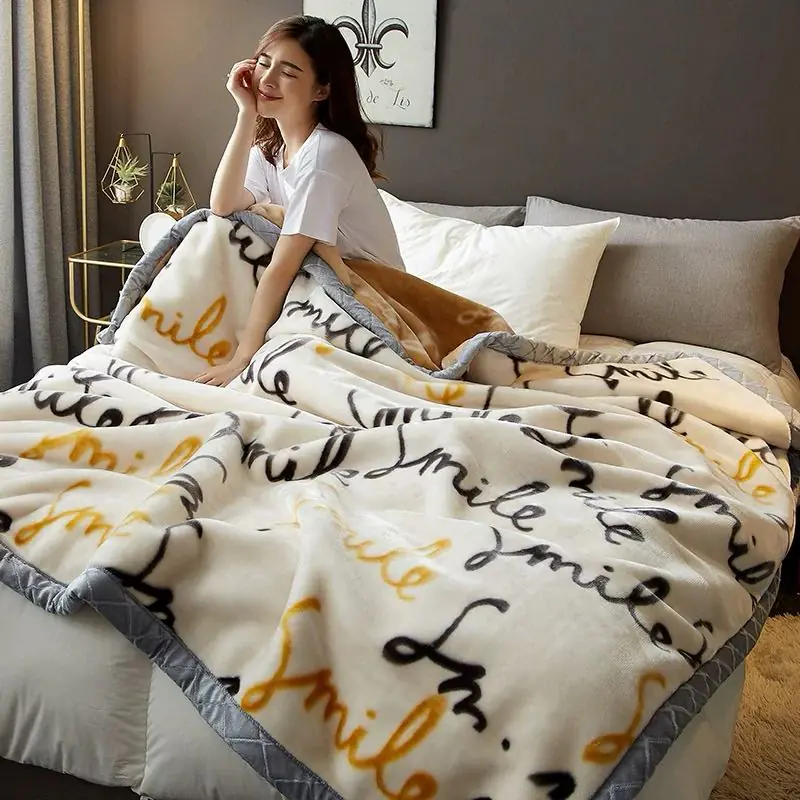
- Material and Manufacturing: Raschel blankets are produced using a warp knitting technique that creates a dense, durable structure. Made primarily from high-pile polyester yarns, they support complex patterns and thick textures that resist distortion over time.
- Performance Advantages: Raschel fabric provides superior bulk and warmth, with a soft yet firm handle. It is highly resistant to pilling and deformation, and ideal for decorative patterns such as embossing or jacquard designs.
- Commercial Appeal: Preferred in luxury and winter-focused markets, Raschel blankets are frequently used in gift sets, bedding collections, and export lines targeting colder regions. They offer visual richness and premium weight at scale.
- Care Instructions: Gentle wash or dry clean recommended due to the heavy knit. Avoid high heat and aggressive tumbling, which may damage texture or warp the shape.
Functional Blanket Fabrics
Cooling Blanket
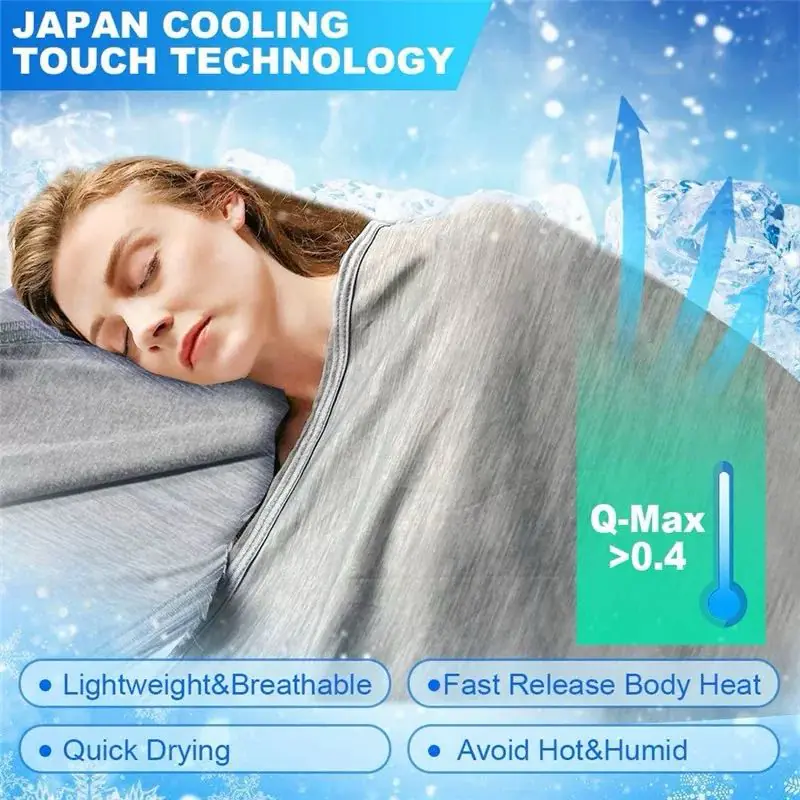
- Material Technology: Cooling fibers are engineered textiles incorporating mineral-infused yarns or phase-change materials (PCMs) that absorb and dissipate heat to provide a refreshing sensation. Commonly, silica or titanium dioxide particles are embedded into polyester or nylon fibers during production.
- Thermal Regulation: These fibers enhance moisture evaporation and improve breathability, making blankets ideal for warm climates, athletic recovery, or summer-season use. They can significantly reduce surface temperature, enhancing sleep quality and comfort.
- B2B Applications: Cooling fiber blankets are popular among wellness brands, spas, and athletic apparel companies seeking value-added textile solutions. They support premium private label offerings in both domestic and export markets.
- Care and Durability: Typically machine washable with mild detergents; the cooling effect remains stable after multiple washes if proper care instructions are followed.
Electric Blanket Materials
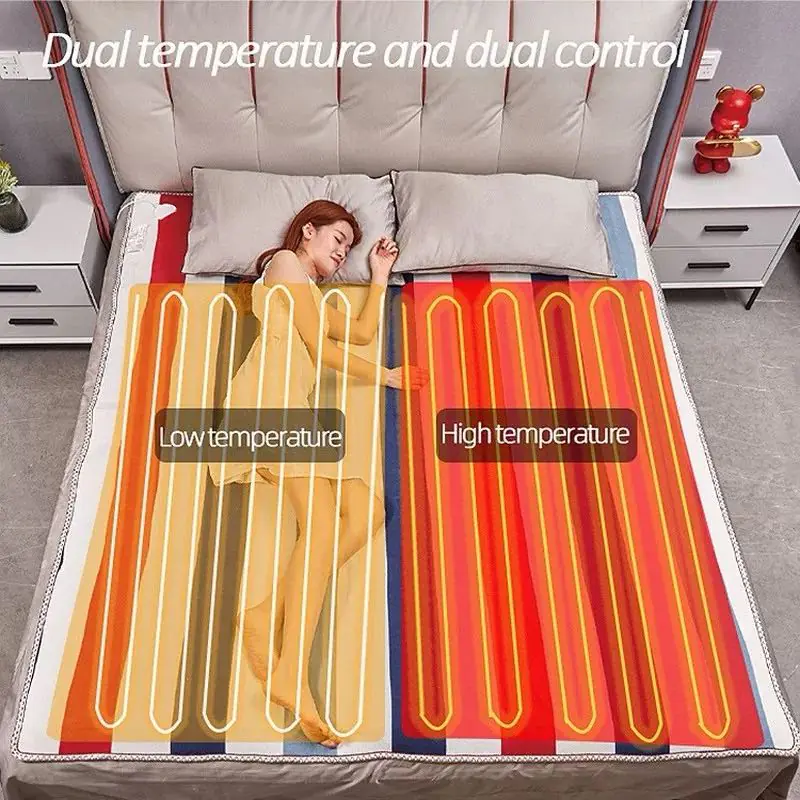
- Construction and Components: Electric heated blankets integrate ultra-thin carbon fiber or metallic heating wires into insulating fabrics, usually with polyester or polyester blends as outer layers. The heating elements are embedded between fabric layers, designed to maintain flexibility and safety.
- Safety and Insulation: Outer fabrics require excellent electrical insulation properties and flame retardancy. Polyesters treated with flame-resistant finishes and high-density weaves are preferred to reduce risk.
- Performance Features: These blankets provide adjustable warmth settings, rapid heat-up times, and often come with overheat protection. Their design must balance electrical safety standards with comfort and durability.
- Industrial Considerations: Electric heated blankets require close collaboration between textile manufacturers and electronics suppliers, ensuring compliance with international safety certifications—a key concern for bulk buyers and private label brands entering this niche.
- Maintenance: Washing guidelines are strict—usually spot cleaning or hand washing after detaching electrical components, which impacts end-user instructions and after-sale service policies.
Anti-Mite and Antibacterial Treated Fabrics
- Treatment Methods: Blankets designed for sensitive users often undergo chemical or nano-coating treatments to inhibit dust mites, bacteria, and allergens. Common agents include silver nanoparticles, triclosan, or natural extracts such as chitosan.
- Health Benefits: These functional finishes provide an extra layer of protection, ideal for children’s bedding, hospitals, nursing homes, and allergy-prone consumers. They reduce odor development and improve hygiene without compromising fabric breathability.
- Market Demand: Growing awareness of health and hygiene fuels demand in B2B segments like childcare product suppliers, healthcare institutions, and wellness retailers. These treated blankets command a price premium justified by enhanced safety and comfort features.
- Durability and Care: Antibacterial efficacy generally lasts through 20-50 wash cycles, depending on treatment type and fabric structure. Clear supplier guidance and certification reports are critical for B2B buyers to verify claims.
6. How to Choose the Best Blanket Fabric Material for Your Business Needs
Selecting the ideal blanket fabric material for your business requires balancing multiple factors such as product performance, target customer preferences, maintenance requirements, and budget constraints. For B2B buyers—whether wholesalers, private label brands, or bulk purchasers—understanding the trade-offs between different fabric types helps optimize inventory and customer satisfaction.
Key decision criteria include:
- Fabric Weight (GSM): Heavier fabrics typically provide better insulation and durability but may increase shipping costs and reduce portability.
- Thermal Performance: Depending on the intended use—summer, winter, or year-round—choose fabrics that provide appropriate warmth or cooling properties.
- Durability & Maintenance: Evaluate abrasion resistance, shrinkage, and care instructions to align with your customer’s handling capabilities and return policies.
- Cost Tier: Pricing affects your profit margin and market positioning, ranging from economical synthetics to high-end natural fibers.
- Target Customer Segment: Different end users have distinct needs, such as hypoallergenic properties for children or antimicrobial finishes for healthcare settings.
Below is a comparative overview of common blanket fabric materials based on these criteria:
| Fabric Material | Typical GSM Range | Warmth Level | Durability | Maintenance | Price Tier | Suitable End-Use / Customer Segment | Notes on Procurement & Care |
| Wool (Merino, Cashmere, Alpaca) | 300 – 400+ | Very High | High (needs gentle care) | Dry clean / hand wash | High | Luxury markets, cold climate, hospitality | Requires careful handling; source from certified farms for quality consistency |
| Cotton (Combed, Organic) | 150 – 300 | Medium | High | Machine washable | Mid to High | Year-round use, children’s blankets, eco-conscious consumers | Versatile and easy to maintain; organic cotton appeals to green markets |
| Linen | 200 – 350 | Low to Medium | Very High | Machine washable (gentle) | Mid to High | Summer blankets, outdoor use, premium segment | Durable but rougher texture; softening treatments recommended |
| Silk | 100 – 250 | Medium | Delicate | Dry clean / hand wash | Very High | Luxury niche, gifting, boutique hospitality | Requires expert care; often limited bulk availability |
| Bamboo Fiber | 150 – 250 | Medium | Moderate | Gentle machine wash | Mid to High | Sensitive skin, eco-friendly brands, mid-tier | Sustainable and soft; verify fiber processing methods for quality |
| Polyester | 150 – 350 | Medium to High | Very High | Machine washable | Low to Mid | Hospitality, outdoor, budget markets | Cost-effective, easy care; watch for breathability issues |
| Acrylic | 150 – 300 | Medium to High | Moderate | Gentle wash | Low | Cold climate, mass retail | Wool substitute; prone to static and pilling if untreated |
| Flannel (Cotton/Poly Blend) | 180 – 320 | High | High | Machine washable | Mid | Fall/Winter use, general consumer | Warm and soft; blends improve durability |
| Fleece (Polyester) | 200 – 350 | High | Very High | Machine washable | Low to Mid | Outdoor, sports, children’s blankets | Lightweight and quick-drying; anti-pilling finishes preferred |
| Microfiber | 150 – 250 | Medium | High | Machine washable | Mid | Travel, layering, healthcare | Fine texture, stain-resistant; easy care |
| Sherpa (Polyester-based) | 250 – 400+ | Very High | Moderate to High | Gentle wash / air dry | Mid to High | Casual, home textiles, outdoor | Plush and warm; care needed to preserve pile |
| Coral Fleece (Polyester) | 200 – 350 | High | High | Machine washable | Mid | Children’s products, cold weather | Soft and plush; colorfastness important |
| Raschel Knitted (Polyester) | 300 – 450+ | High | Very High | Dry clean / gentle wash | Mid to High | Luxury hospitality, durable home textiles | Dense and durable; pattern versatility; bulk availability good |
For B2B buyers, polyester-based fabrics like fleece and Raschel offer scalable, durable, and cost-effective options for mass markets with ease of maintenance. Meanwhile, natural fibers such as wool, cotton, and bamboo cater to premium and eco-conscious segments but require more attentive handling. Blended fabrics balance these characteristics, providing flexibility in pricing and performance.
Careful supplier selection, sample evaluation, and alignment with your target customers’ expectations will ensure that the blanket fabric materials you procure contribute positively to your business’s reputation and profitability.
7. Procurement Tips for Blanket Fabric Material
Engaging with reliable wholesale blanket fabric suppliers is essential for consistent product quality and supply chain stability. Key procurement strategies include:
- Conducting thorough supplier audits to verify certifications (OEKO-TEX, GOTS, ISO) and compliance with safety standards.
- Negotiating favorable terms on bulk orders and understanding minimum order quantities, especially for private label production.
- Requesting fabric samples to evaluate hand feel, colorfastness, and performance under expected conditions.
- Clarifying customization options, including fabric finishes, fabric weights, and logo embroidery or printing capabilities.
Leveraging suppliers experienced in international trade and familiar with your target market’s regulations ensures smoother transactions and reduces risks of quality disputes.
8. Maintenance and Care Recommendations for Different Blanket Materials
Proper maintenance instructions not only extend blanket lifespan but also enhance end-customer satisfaction and reduce returns.
- Natural fibers such as wool and silk typically require gentle handling: dry cleaning or cold hand washing, with drying away from direct heat or sunlight.
- Cotton and linen are generally machine washable, but pre-shrunk fabric and gentle detergents are recommended to preserve shape and texture.
- Synthetic fabrics like polyester and acrylic allow machine washing and quick drying, but softener use should be minimized to maintain fabric breathability and reduce pilling.
- Specialty finishes such as Sherpa and fleece may require air drying or low-temperature tumble drying to maintain pile integrity.
Clear care labels and supplier-provided maintenance guidelines facilitate easier handling for end users, important for large-scale B2B clients such as hotels or healthcare facilities.
9. Future Trends in Blanket Fabric Material for B2B Buyers
The blanket fabric industry continues to evolve with innovation in sustainability and functionality:
- Eco-friendly fibers such as recycled polyester, Tencel, and organic bamboo gain traction, driven by consumer demand for green products.
- Functional textiles incorporating antimicrobial treatments, cooling technologies, and odor resistance provide competitive advantages in hospitality and healthcare sectors.
- Smart textiles, including temperature-regulating and electric heated blankets, are becoming more prevalent for specialized markets.
Checking the currently available blankets on Amazon is a good way. It enables you to know the sales volumes of different types of blankets, thus helping you understand the market trends.
Conclusion: Strategic Blanket Fabric Material Selection for Successful B2B Sourcing
Choosing the right blanket fabric material is a strategic decision that directly influences product quality, customer satisfaction, and profitability in wholesale and private label markets.
If you found this guide on blanket fabric materials useful, feel free to share it with your business partners or on social media.
We are a trusted China sourcing agent specializing in wholesale and custom blanket procurement. If you’re looking for competitive prices and reliable service, please CONTACT US anytime.

Ivy is a Sourcing Specialist at Sellers Union. She shares hands-on experience in supplier selection, quality control, and market trends to help global wholesalers make informed decisions. Her goal is to simplify the sourcing process and help brands build efficient supply chains in the industry.




 K*****
 E****
E**** M****
M**** L*****
 D*****
 P*****
 V******
 S******
 A***
A*** D*****
 J****
J**** N*******