











The global toy industry is poised for significant changes as we approach 2025. Driven by technological advancements, shifting consumer expectations, and evolving regulatory frameworks, Toy Manufacturing is undergoing a transformation that importers must understand to stay competitive. From sustainable practices to smart toys, the trends shaping the industry are redefining how toys are designed, produced, and sold. This article explores the key developments in Toy Manufacturing and provides insights for importers to navigate this dynamic landscape.
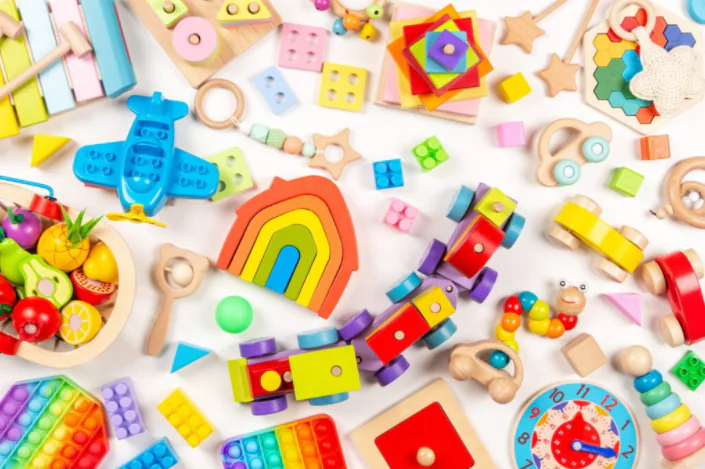
Sustainability Becomes a Core Focus in Toy Manufacturing
Sustainability is no longer a niche concern but a central focus in Toy Manufacturing. As consumers become more environmentally conscious, Toy Manufacturing companies are adopting eco-friendly practices to meet demand. This includes using biodegradable materials, reducing plastic waste, and sourcing renewable resources. Many manufacturers are also investing in energy-efficient production processes and exploring circular economy models, such as toy recycling programs.
For importers, this trend presents both opportunities and challenges. Partnering with Toy Manufacturing firms that prioritize sustainability can enhance brand reputation and appeal to eco-conscious consumers. However, importers must also navigate complex regulations and certifications related to environmental standards. Staying informed about global sustainability trends and aligning with responsible Toy Manufacturing practices will be crucial for long-term success.
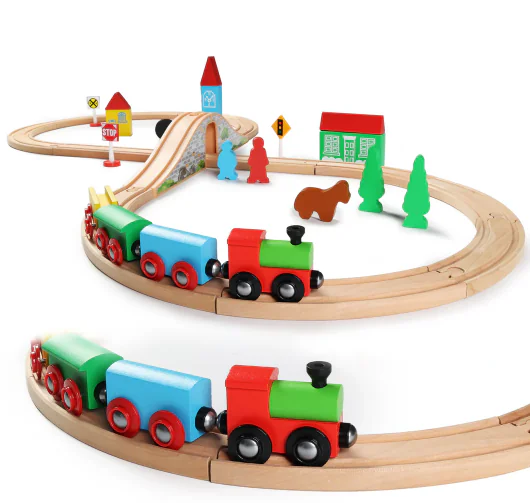
The Rise of Smart and Connected Toys
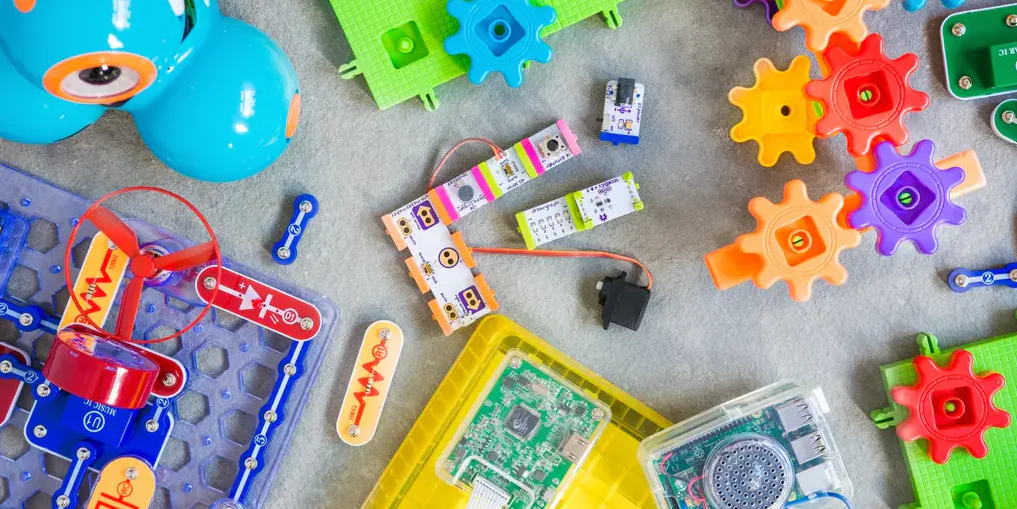
The integration of technology into toys is one of the most transformative trends in Toy Manufacturing. Smart toys, powered by artificial intelligence (AI), augmented reality (AR), and the Internet of Things (IoT), are becoming increasingly popular. These toys offer interactive and educational experiences, such as language learning, coding skills, and personalized storytelling. Toy Manufacturing companies are leveraging these technologies to create products that engage children in new and innovative ways.
For importers, the rise of smart toys requires a deep understanding of both technology and regulatory compliance. Data privacy and security are critical concerns, especially when dealing with toys that collect and process user data. Importers should ensure that the Toy Manufacturing companies they work with adhere to strict data protection standards, such as GDPR and COPPA. Additionally, staying ahead of technological advancements will help importers identify high-demand products and capitalize on this growing market segment.
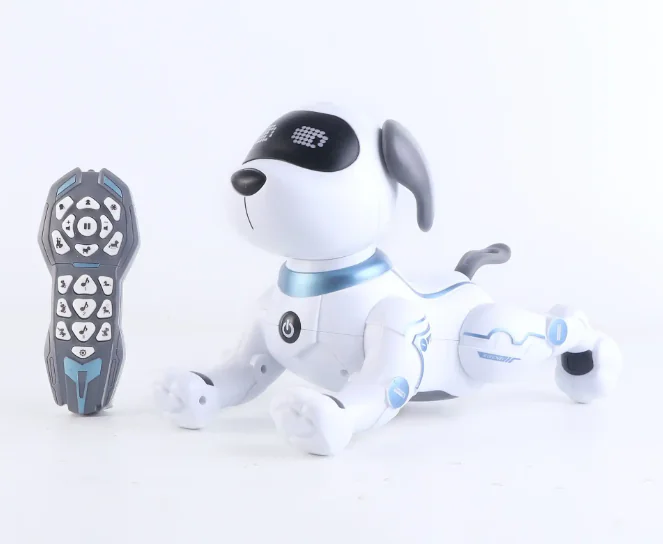
Customization and Personalization Drive Consumer Demand
In 2025, customization is becoming a defining feature of Toy Manufacturing. Consumers are increasingly seeking personalized products that reflect their unique preferences and identities. Advances in 3D printing and digital design tools are enabling Toy Manufacturing companies to offer bespoke toys at scale. From monogrammed dolls to customizable action figures, the possibilities for personalization are endless.
Importers can leverage this trend by collaborating with Toy Manufacturing firms that offer customization options. Personalized toys often command higher price points and foster stronger emotional connections with consumers. However, importers must also address the logistical challenges associated with customized orders, such as longer production times and inventory management. By balancing creativity with efficiency, importers can tap into the growing demand for unique and tailored toys.
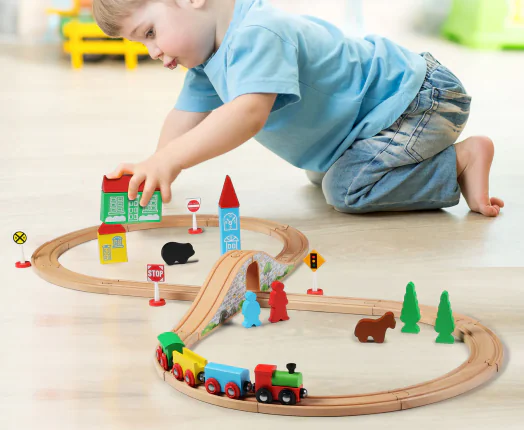
Inclusivity and Diversity Shape Toy Design
Inclusivity and diversity are reshaping the Toy Manufacturing landscape. Consumers are demanding toys that represent a wide range of cultures, abilities, and gender identities. Toy Manufacturing companies are responding by creating products that promote representation and inclusivity, such as dolls with diverse skin tones, toys designed for children with disabilities, and gender-neutral play options.
For importers, this trend highlights the importance of sourcing toys that align with these values. Partnering with Toy Manufacturing companies that prioritize inclusivity can help importers reach a broader audience and build a positive brand image. Additionally, importers should be mindful of cultural sensitivities and ensure that the toys they bring to market resonate with diverse communities. Embracing inclusivity is not only a moral imperative but also a strategic business decision in today’s global market.
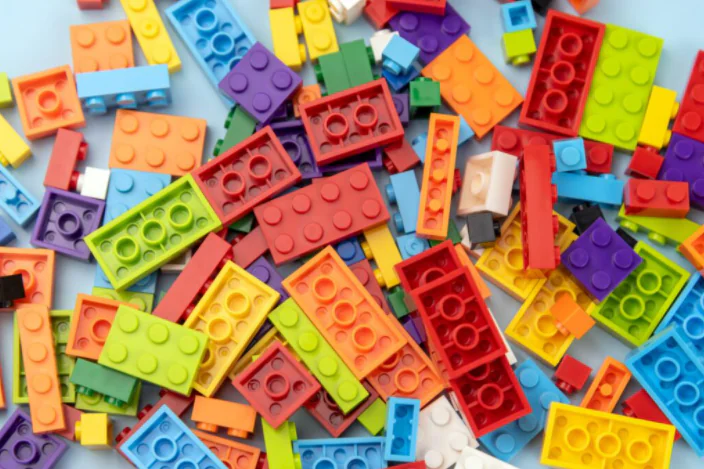
E-Commerce and Direct-to-Consumer Models Reshape Distribution
The way toys are distributed and sold is undergoing a significant shift, driven by the growth of e-commerce and direct-to-consumer (DTC) models. Toy Manufacturing companies are increasingly bypassing traditional retail channels to sell directly to consumers through online platforms. This approach allows manufacturers to gather valuable customer data, offer competitive pricing, and build stronger brand loyalty.
For importers, this trend underscores the need to adapt to a digital-first marketplace. Building a robust online presence and optimizing supply chains for e-commerce fulfillment are essential steps. Importers should also consider collaborating with Toy Manufacturing companies that offer DTC capabilities, as this can provide greater flexibility and access to real-time market insights. By embracing e-commerce, importers can stay competitive in an increasingly digital world.
Заключение
The Toy Manufacturing industry is evolving rapidly as we approach 2025, with sustainability, technology, customization, inclusivity, and e-commerce driving change. Importers must stay informed about these trends and adapt their strategies to remain competitive. By partnering with innovative Toy Manufacturing companies and aligning with consumer preferences, importers can position themselves for success in this dynamic and ever-changing industry. The future of toys is full of opportunities, and those who embrace these trends will be well-equipped to thrive. If you want to know more, please свяжитесь с нами.

Ivy is a Sourcing Specialist at Sellers Union. She shares hands-on experience in supplier selection, quality control, and market trends to help global wholesalers make informed decisions. Her goal is to simplify the sourcing process and help brands build efficient supply chains in the industry.





 Y*******
 A***
A*** Y****
Y**** H****
H**** E******
 W****
W**** F*****
 A****
A**** Z***
Z*** C******
 Q******
 W*******