











Introduction: The cornerstone of quality control
In today’s fiercely competitive market environment, quality control (QC) has become a key factor for the survival and development of enterprises. According to research by the American Society for Quality (ASQ), implementing an effective quality control system can reduce product defect rates by over 40% and increase customer satisfaction by up to 35%. In this system, the QC checklist, as the most fundamental and important quality management tool, is playing an irreplaceable role.
A well-designed QC checklist is not only a simple checklist, but also a systematic quality management framework. It transforms abstract quality standards into concrete and executable inspection items, providing clear operational guidelines for quality management personnel. From raw material inspection to finished product delivery, QC checklists ensure quality consistency and traceability at every stage.

Building a standardized framework – Quality Control Checklist Template
The Quality Control Checklist Template is the fundamental architecture for establishing the entire quality control system. An excellent template should include the following core elements:
The basic structure of the template should include header information area, inspection item area, judgment criteria area, and approval area. The header information area needs to record basic information such as product model, batch number, inspection date, and inspector, which provides a basis for subsequent quality traceability. The inspection project area needs to be scientifically classified according to the process flow or product characteristics, usually including categories such as appearance inspection, functional testing, safety verification, etc.
The principle of standardized design is the key to the success of templates. Firstly, the inspection items must be specific and clear, avoiding subjective descriptions such as “good” or “qualified”, and instead using quantifiable indicators. For example, in dimension inspection, the tolerance range should be clearly marked; In the visual inspection, it is necessary to provide a detailed description of acceptable defect standards. Secondly, the template should reserve sufficient space for recording abnormal situations and providing notes, which is crucial for subsequent quality improvement.
In practical applications, an excellent template should also consider risk assessment factors. According to product characteristics, stricter inspection frequency and standards should be set for critical quality characteristics (CTQ). For example, the safety performance inspection of medical equipment requires more frequent testing points and stricter acceptance standards than ordinary consumer electronics products.
Template design in the digital age also needs to consider system compatibility. Modern quality management software typically requires templates to support functions such as electronic signatures, barcode scanning, and image uploading, all of which need to be fully considered during the template design phase.
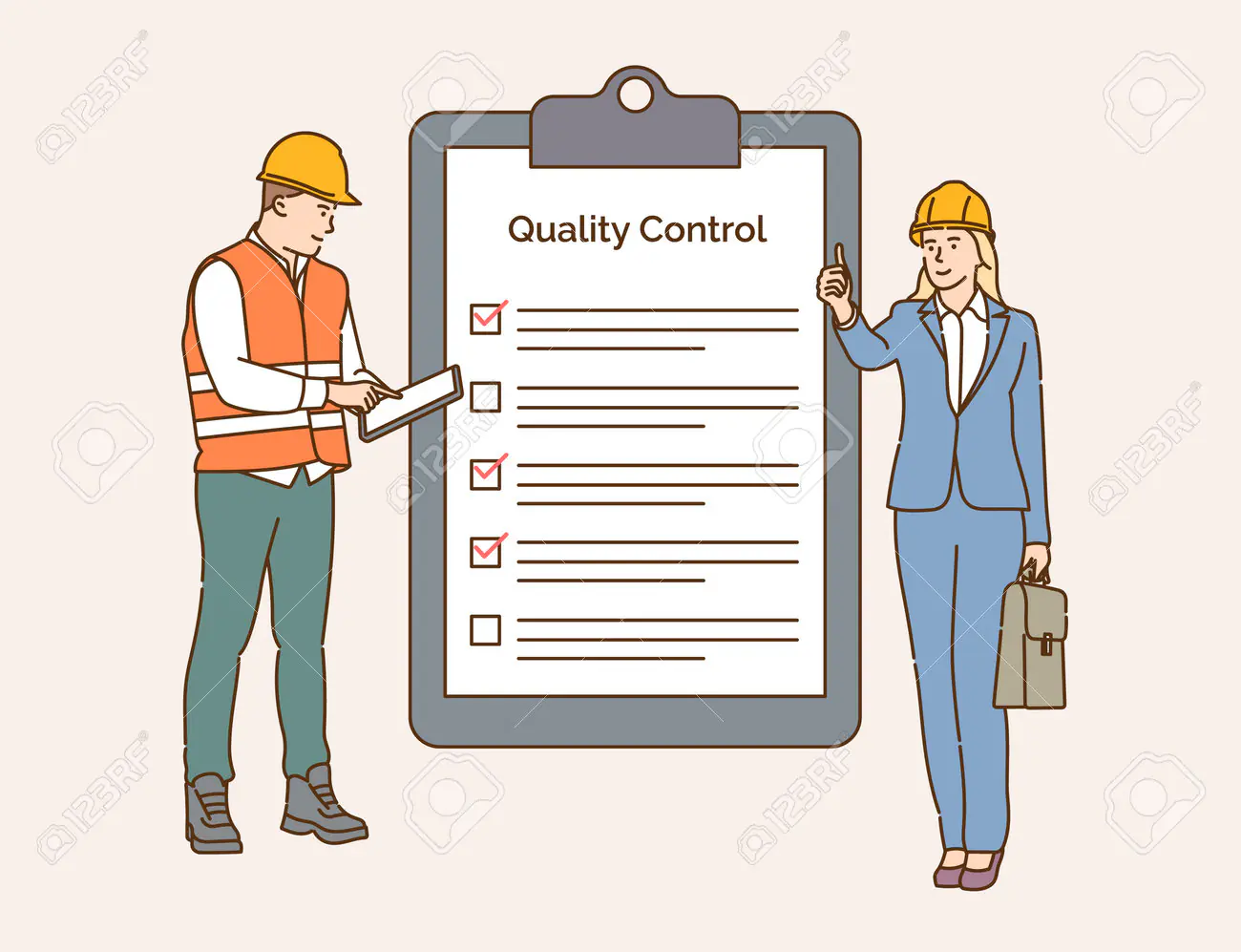
Execution and Recording – Quality Check Form
When the Quality Control Checklist Template is put into practical use, it is converted into a Quality Check Form. This table is a real-time record of quality activities, and its value is reflected in multiple aspects:
Real time data recording is the core function of quality inspection forms. Inspectors need to record the actual results of each item in real time during the inspection process, including measurement values, functional status, appearance condition, etc. These real-time data not only provide judgment basis for the current inspection, but also accumulate valuable data resources for subsequent quality analysis.
The anomaly management mechanism is an important feature of the quality inspection checklist. When non-conforming items are found, the checklist should provide clear handling guidelines, including abnormal description, severity grading, isolation requirements, and preliminary handling suggestions. For example, in the quality inspection checklist of the automotive manufacturing industry, safety related defects usually require immediate production stoppage, while non critical defects may only need to be recorded and subsequently improved.
Modern quality inspection forms should also support multimedia recording. By attaching photos, videos, or audio explanations, the defect condition can be more accurately recorded. For example, in textile inspection, the issue of color difference in fabrics is more visually and effectively recorded through photos than described in words.
In practical use, a comprehensive version control system should also be established for quality inspection forms. Each modification of the form requires recording the change content, reason for the change, and effective date to ensure that all users are using the latest version of the file. According to the ISO9001 standard requirements, quality records need to be kept for at least three years for traceability purposes.

Practical Case Analysis – QC Checklist Sample
The best way to understand theory is through practical cases. Let’s demonstrate how to apply theory to practice through several specific Quality Control Checklist Samples:
Example of consumer electronics products:
Taking the final inspection of smartphones as an example, the checklist should include the following key items:
Appearance inspection: The shell has no scratches (no visible scratches exceeding 1mm under 500lux light at a distance of 30cm)
Functional test: Touch screen sensitivity (requires 100% response to standard test gestures)
Performance verification: Battery life (reaching over 90% of nominal value in standard testing environment)
Packaging confirmation: complete accessories and accurate packaging labeling
This example demonstrates how to transform subjective quality requirements into objective measurable standards. Each inspection item has clear testing conditions and acceptance criteria to ensure that different inspectors can reach consistent conclusions.
Food industry example:
In the daily inspection of food production enterprises, the quality inspection form needs to pay special attention to safety indicators:
Raw material inspection: supplier qualifications, shelf life, storage conditions
Production process: temperature control, time control, hygiene indicators
Finished product inspection: sensory indicators, microbiological indicators, packaging integrity
This example highlights the importance of industry-specific requirements. In the food industry, the inspection frequency and strictness of safety indicators are usually higher than other quality indicators.
Service industry application example:
Taking hotel service quality inspection as an example:
Front desk service: Check in time (not exceeding 3 minutes)
Room cleaning: hygiene standards (according to the 22 item checklist)
Facility maintenance: Equipment integrity rate (reaching over 98%)
This example demonstrates that the quality control checklist is also applicable to the service industry, and the key is to transform service standards into quantifiable inspection items.

Establish a comprehensive quality protection network – Quality Control Inspection Checklist
The Quality Control Inspection Checklist is a systematic inspection system that includes multiple interrelated inspection stages, collectively building a comprehensive quality protection network
The incoming inspection checklist is the first line of defense for quality assurance. This checklist needs to focus on:
Supplier qualification verification
Compliance with material specifications
Packaging and transportation conditions
Sampling inspection plan (usually using AQL standards)
The production process checklist is dedicated to preventing quality issues, and its main contents include:
Equipment parameter monitoring
Process discipline inspection
Environmental condition control
Confirmation of operator qualifications
The final inspection checklist is the last checkpoint before product release, requiring the most comprehensive inspection to be performed:
100% functional testing
Full inspection of appearance
Packaging integrity inspection
Confirmation of file completeness
The special process checklist is designed for processes whose results cannot be fully validated through subsequent inspections and tests
Welding process monitoring
Record of heat treatment parameters
Validation of sterile operating environment
When establishing a complete inspection checklist system, special attention should be paid to the connection and information transmission between each inspection link. For example, the results of incoming inspection should be fed back to supplier management, the data from process inspection should be used for process optimization, and the statistics from final inspection should guide the setting of quality objectives.

Implement best practices
To ensure the maximum effectiveness of QC checklists, the following best practices need to be followed:
The continuous improvement mechanism is the key to maintaining the vitality of the quality control system. It is recommended to establish a regular checklist review system, evaluate the effectiveness of existing checklists every quarter, and adjust inspection items and standards in a timely manner based on quality data and changes in production processes.
The personnel training system is equally indispensable. A survey shows that sufficient training can increase the effectiveness of checklists by 50%. The training content should include the use of checklists, judgment criteria, recording requirements, and exception handling procedures.
Technical support is becoming increasingly important in modern quality control. Consider introducing the following technical means:
Mobile inspection system
Automatic data collection equipment
Real time data analysis platform
Digital signature system
Performance monitoring is a guarantee for ensuring the continuous effectiveness of checklists. Suggest establishing the following monitoring indicators:
Check the usage rate of the checklist
Timely discovery rate of problems
Check the accuracy of data
Quality problem closure rate

Conclusion: Towards the Path of Excellent Quality
The importance of the Lista kontrolna kontroli jakości as a fundamental tool for quality control cannot be overemphasized. From the standardized design of the Quality Control Checklist Template, to the precise execution of the Quality Check Form, to the practical guidance of the Quality Control Checklist Sample, and finally to the establishment of a complete quality protection system through the Quality Control Inspection Checklist, every step is crucial.
Implementing an effective QC checklist system can not only significantly reduce quality costs, but also improve customer satisfaction and enhance the market competitiveness of enterprises. Data shows that enterprises that fully implement quality control checklists can increase their product qualification rate by an average of 25%, reduce customer complaint rates by 40%, and reduce quality costs by 30%.

Ivy jest specjalistką ds. zaopatrzenia w firmie Sellers Union. Dzieli się swoim praktycznym doświadczeniem w zakresie wyboru dostawców, kontroli jakości oraz trendów rynkowych, aby pomóc globalnym hurtownikom w podejmowaniu świadomych decyzji. Jej celem jest uproszczenie procesu zaopatrzenia oraz wspieranie marek w budowaniu wydajnych łańcuchów dostaw w branży.









 I***
I*** H*******
 I******
 S*******
 V*****
 Y*******
 Z***
Z*** G****
G**** A*****
 F*****
 P***
P*** J****
J****