











You’ve probably spent hours scrolling through wholesale websites, only to find the same overpriced products everyone else is selling. Or worse—you paid for a “wholesale directory” that turned out to be full of middlemen charging you retail prices.
Here’s the brutal truth: most new resellers fail because they can’t find real suppliers. They end up buying from the same dropshipping sites as thousands of other sellers, competing on razor-thin margins, wondering why their reselling business isn’t profitable.
The real question isn’t just “where to find vendors”—it’s knowing which paths actually lead to profitable suppliers versus dead ends that waste your time and money.

Why Most Vendor Lists Are Actually Useless
Search “free vendors for reselling” and you’ll find dozens of PDF lists, blog posts, and YouTube videos promising supplier gold mines. Download three of these lists and you’ll notice something: they all recommend the same 20-30 websites.
Here’s what nobody tells you about these lists. When thousands of resellers use the same suppliers, those suppliers can charge whatever they want. The “wholesale” price you’re getting is barely below retail because they have unlimited demand.
Even paid vendor directories often have this problem. You’re paying $49/month to access suppliers that 10,000 other resellers already know about. That’s not a competitive advantage—that’s just expensive public information.
The suppliers making real money for resellers aren’t advertising on free lists. They’re working with businesses who found them through trade shows, direct outreach, or professional sourcing networks.
What Actually Works: Three Real Paths to Finding Suppliers
Successful resellers use three main approaches, each with different advantages depending on your business model and capital.
Domestic wholesale platforms like Faire, Tundra, and Bulletin connect you with US-based brands and distributors. The advantage? Fast shipping, easy returns, and simple communication. The downside? Higher costs mean lower margins. You’re competing with other resellers buying the same products at the same prices.
This path works if you’re focused on quick turnover, domestic shipping speed matters to your customers, or you’re reselling unique brands where you can compete on curation rather than price.
Direct manufacturer contact means finding factories that make products and buying straight from the source. This is where the highest margins live, but it requires more work. You need to research manufacturers in your product category, reach out directly, negotiate terms, and manage international shipping if sourcing overseas.
Most manufacturers in the US and Europe have minimum order quantities that can be challenging for new resellers. Their “small” order might be $5,000-10,000, tying up too much capital when you’re starting out.
Professional sourcing agents serve as your boots on the ground in manufacturing regions, particularly China where the majority of consumer products originate. Rather than navigating language barriers, cultural differences, and logistics yourself, you work with someone who has existing factory relationships and knows how to verify quality.
This is often the fastest path to manufacturer-direct pricing without the years of relationship building usually required.
The Real Cost of Buying From Middlemen
Let’s talk numbers. Say you’re reselling portable phone chargers. A typical scenario looks like this:
You find a “wholesale supplier” online selling them for $8 each. That seems great compared to the $25 retail price on Amazon. You buy 100 units for $800, list them for $20 to compete, and make $1,200 in gross revenue. After Amazon fees, shipping, and advertising, you net maybe $600 profit—a 75% return on your $800 investment.
Not bad, right? Here’s what you don’t know: that “wholesale supplier” bought those same chargers from a Chinese factory for $2.50 each. You paid $8 for a product that costs $2.50 to manufacture.
If you bought directly from the factory, your cost for 100 units drops from $800 to $250. Suddenly your profit on the same sales jumps from $600 to $1,150. That’s nearly double the profit selling the exact same products at the exact same prices.
Scale that across thousands of units and multiple products, and the difference between buying from middlemen versus manufacturers is literally the difference between a struggling side hustle and a thriving business.
Why China Sourcing Keeps Winning Despite Everything
You might think, “Isn’t it risky to source from China? What about quality issues, shipping times, and language barriers?”
These are legitimate concerns, but here’s why China still dominates global manufacturing in 2025. According to the World Bank, China produces approximately 28% of global manufacturing output—more than the US, Japan, and Germany combined.
The real advantage isn’t just cost. It’s the complete supply chain ecosystem. In Guangzhou’s fashion district, you can find fabric suppliers, button manufacturers, zipper factories, and clothing producers all within a few blocks. In Yiwu, over 70,000 suppliers occupy the world’s largest wholesale market, selling everything from jewelry to home goods.
This density creates speed. A factory in Guangzhou can produce samples in 3-5 days. Try getting that timeline from a US manufacturer, where sample production might take 4-6 weeks.
Companies like Shein prove this model works at massive scale. Shein sources from thousands of Chinese factories, using small batch production to test designs and scale winners quickly. The same suppliers producing Shein’s products also work with independent resellers—if you know how to find them.
The question isn’t whether to source from China. It’s how to do it safely while avoiding the common traps.
The Five Deadly Mistakes That Kill Reseller Margins
Mistake 1: Paying for samples from everyone before qualifying suppliers. New resellers often order $30-50 samples from 10 different suppliers, spending $500 before placing a single real order. Smart approach: verify suppliers first through business licenses, customer references, and factory audits before ordering samples.
Mistake 2: Accepting the first price quote. Most factories expect negotiation. Their initial quote often includes room to negotiate 10-20% lower, especially on larger orders. If you accept the first price without negotiating, you’re literally giving away profit margin.
Mistake 3: Ignoring total landed cost. You find a product for $3 per unit—great! Then you discover shipping costs $1.50 per unit, customs duties add another $0.75, and inspection fees cost $0.25. Your real cost is $5.50, not $3. Calculate the complete cost including all fees before committing.
Mistake 4: Ordering minimum quantities you can’t sell. A factory offers great pricing at 1,000 units, but you’ve never sold this product before. You order 1,000 units, sell 200, and sit on $4,000 worth of dead inventory. Start smaller even if per-unit costs are higher, then scale once you prove market demand.
Mistake 5: Using risky payment methods without protection. A supplier asks for full payment via Western Union before shipping. You send $5,000 and never hear from them again. Use secure payment methods like letters of credit for large orders, or work with sourcing agents who manage payments securely.
Understanding how letters of credit work protects you from payment fraud on significant orders while ensuring suppliers get paid once they ship quality products.
How Much Does It Actually Cost to Start Reselling
The honest answer: it depends on your product category and sourcing strategy, but you can start with $500-2,000 if you’re strategic.
Going the domestic wholesale route typically requires higher initial investment since minimum orders from US distributors often start at $500-1,000, and per-unit costs are higher. You might need $1,500-3,000 to stock enough inventory for a meaningful launch.
International sourcing usually allows smaller minimums with lower per-unit costs, but you face higher complexity. With a sourcing agent handling logistics, some resellers start with $500-1,000 orders to test products before scaling.
The real cost isn’t just inventory—it’s avoiding expensive mistakes. One bad supplier can cost you your entire starting capital. One shipment of low-quality products can destroy your seller reputation. One fraudulent payment can wipe you out before you begin.
This is where professional sourcing pays for itself. Yes, you pay service fees, but you avoid the $2,000-5,000 most new resellers lose learning these lessons the hard way.
What a Sourcing Agent Actually Does For Resellers
Think of a sourcing agent as your representative in the manufacturing region. Instead of navigating everything yourself, you work with someone who lives there, speaks the language, knows the factories, and handles the complex parts.
Finding manufacturers: Rather than cold emailing random factories from Alibaba, sourcing agents tap into existing networks of verified suppliers. They know which factories specialize in what products, which ones have quality issues, and which ones are reliable for small-to-medium orders.
Price negotiation: Factories quote different prices to foreigners versus local Chinese buyers. A sourcing agent negotiates in Mandarin with knowledge of local market prices, typically securing 10-30% better pricing than you’d get negotiating directly.
Control de calidad: Before your products ship, the agent physically visits the factory to inspect production. They check product quality, verify quantities, examine packaging, and ensure everything meets specifications. This catches problems before they become expensive.
Logistics and consolidation: Rather than paying for expensive direct shipping on small orders, agents can consolidate multiple orders from different factories into one container. This consolidation service dramatically reduces per-unit shipping costs on smaller orders.
Flexible payment protection: Instead of wiring money directly to unknown factories, you pay the sourcing company who holds funds until products are verified and shipped. This protects against fraud while ensuring suppliers still get paid promptly for quality work.
For example, if you’re reselling kitchenware, a sourcing agent connects you with specialized manufacturers in China’s kitchenware production hubs rather than generic suppliers on public platforms.
How to Actually Evaluate If a Vendor Is Legit
You’ve found a potential supplier offering great prices. Before ordering, verify they’re legitimate and capable of delivering quality products consistently.
Check business verification: Request their business license number and verify it through government databases. In China, legitimate companies have business licenses issued by the Administration for Industry and Commerce. Ask for photos of their factory, business license, and export licenses.
Demand references: Any established supplier should provide contact information for 3-5 current customers. Actually call these references—don’t skip this step. Ask about product quality, communication, whether shipments arrive on time, and how the supplier handles problems.
Start with video calls: Request a video tour of their factory via WeChat, WhatsApp, or Zoom. This verifies they actually operate a manufacturing facility rather than just being a trading company reselling from others. Check if machinery looks appropriate for your products.
Review third-party audit reports: Platforms like Alibaba offer inspection services, or you can hire independent auditors. These reports verify the supplier’s capabilities, workforce size, production capacity, and quality control systems.
Test with small orders first: Even after verification, start with smaller test orders before committing to large volumes. This lets you evaluate quality, communication, and delivery times with limited risk.
Sellers Union handles all these verification steps as part of our service, connecting you only with factories we’ve personally vetted through on-site visits and ongoing relationships. Learn the whole processes of supplier audit we will do for our clients.
The Smart Way to Scale From First Order to Full Inventory
Most successful resellers follow a similar progression, starting small and scaling based on proof rather than hope.
Phase 1: Product validation (investment: $500-1,000)
Order samples or small quantities of 3-5 different products in your chosen category. Test market demand through eBay, Amazon, or your own website. Track which products sell fastest and generate the best margins. This phase focuses on learning what your market wants, not making big profits yet.
Phase 2: Initial inventory (investment: $1,500-3,000)
Once you identify 1-2 winning products, place larger orders at better per-unit costs. You’re still not ordering full container loads, but you’re buying enough to fulfill orders consistently while building supplier relationships. Focus on maintaining inventory of proven sellers.
Phase 3: Diversification (investment: $3,000-10,000)
Add complementary products to your catalog, offering customers more reasons to buy from you. Negotiate better terms with suppliers based on your order history. Consider private labeling your best sellers. This is where your business transitions from side hustle to serious income.
Phase 4: Container orders (investment: $10,000+)
At sufficient volume, order full containers directly from manufacturers at the absolute lowest per-unit costs. This is where margins peak and competition struggles to match your pricing. You’re now buying at the same rates as major retailers.
The timeline from phase 1 to phase 4 varies, but most resellers who execute well reach phase 3 within 6-12 months.
Should You Do Domestic or International Sourcing
The right answer depends on your business model, not a universal rule.
Choose domestic sourcing when:
- Your customers demand 2-3 day shipping and can’t wait 1-2 weeks
- You’re selling products where branding matters more than price
- Your margins can absorb 40-60% higher product costs
- You want to test products quickly before larger commitments
- You’re uncomfortable with international logistics complexity
Choose international sourcing when:
- Price competitiveness determines whether you win or lose sales
- You can plan inventory 4-6 weeks ahead for ocean shipping
- Your sales volume justifies the logistics coordination effort
- You want 50-70% margins instead of 30-40%
- You’re willing to learn international trade processes
Many successful resellers use both strategies: domestic sourcing for fast-moving test products and international sourcing for validated high-volume items where lower costs dramatically impact profitability.
Understanding Incoterms like EXW becomes crucial when importing, as these determine who pays for what in the shipping process.
What Products Are Actually Worth Reselling in 2025
Not all product categories offer equal opportunities. The best reselling categories share certain characteristics: consistent demand, acceptable margins, manageable size/weight, and limited brand loyalty.
Fashion and accessories remain the largest resale market. The global secondhand apparel market reached $177 billion in 2024 according to ThredUp’s annual report. Fast fashion trends create constant demand for affordable clothing, jewelry, and bags. Margins range from 50-150% depending on sourcing.
Phone and tech accessories offer strong margins with compact shipping. Items like phone cases, charging cables, screen protectors, and wireless earbuds have universal demand and quick turnover. Competition is fierce, but differentiation through bundling or unique designs works well.
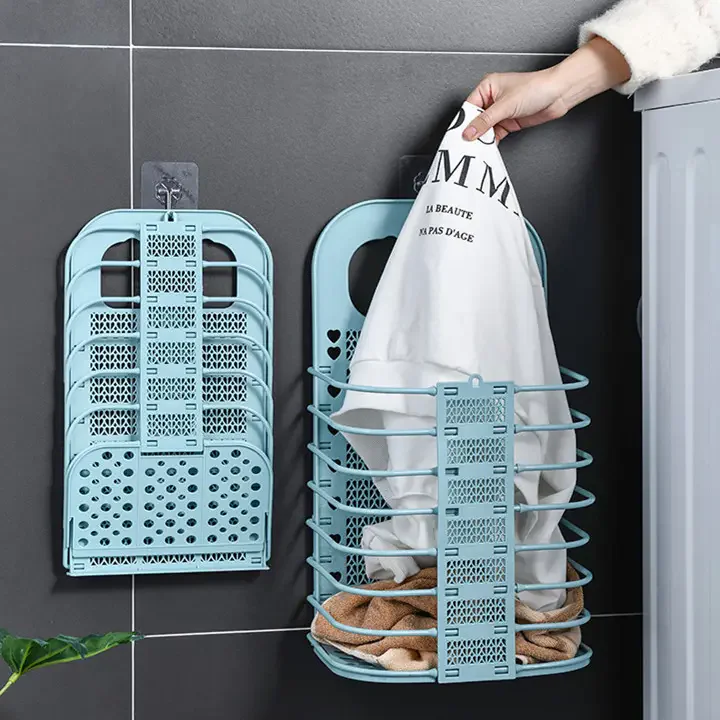
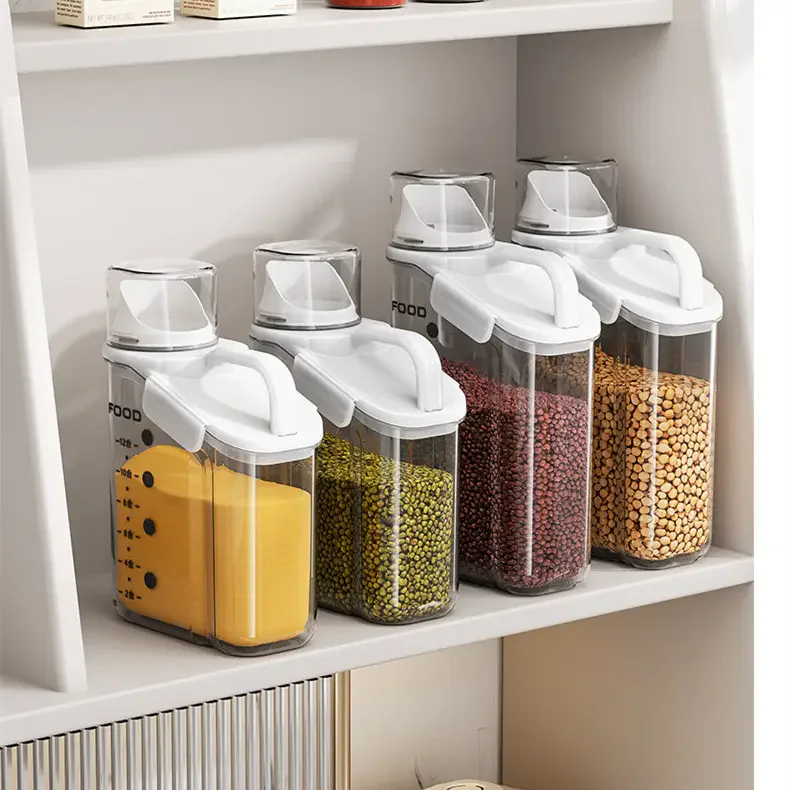
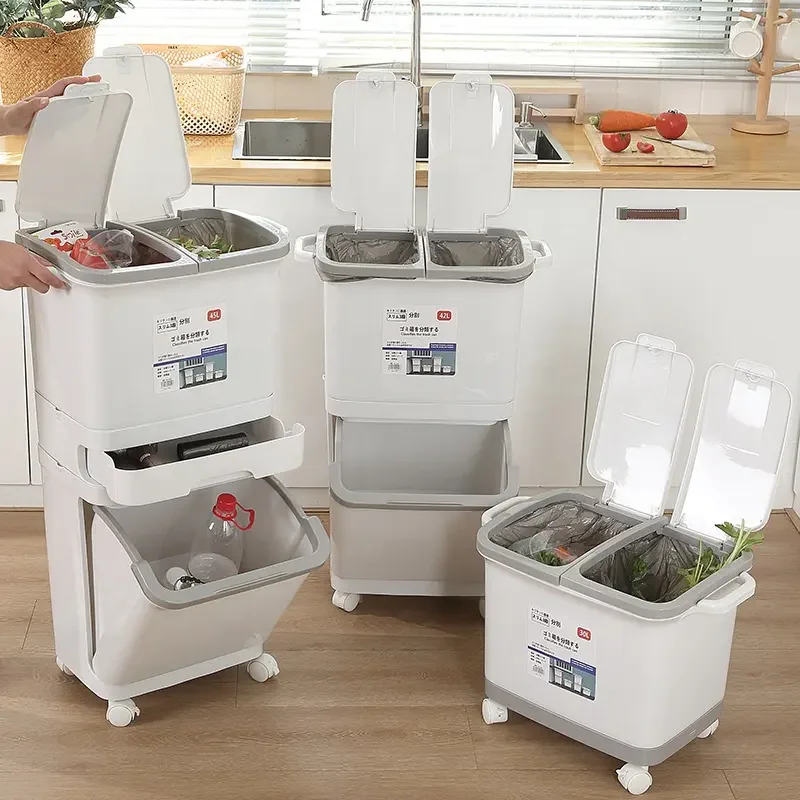
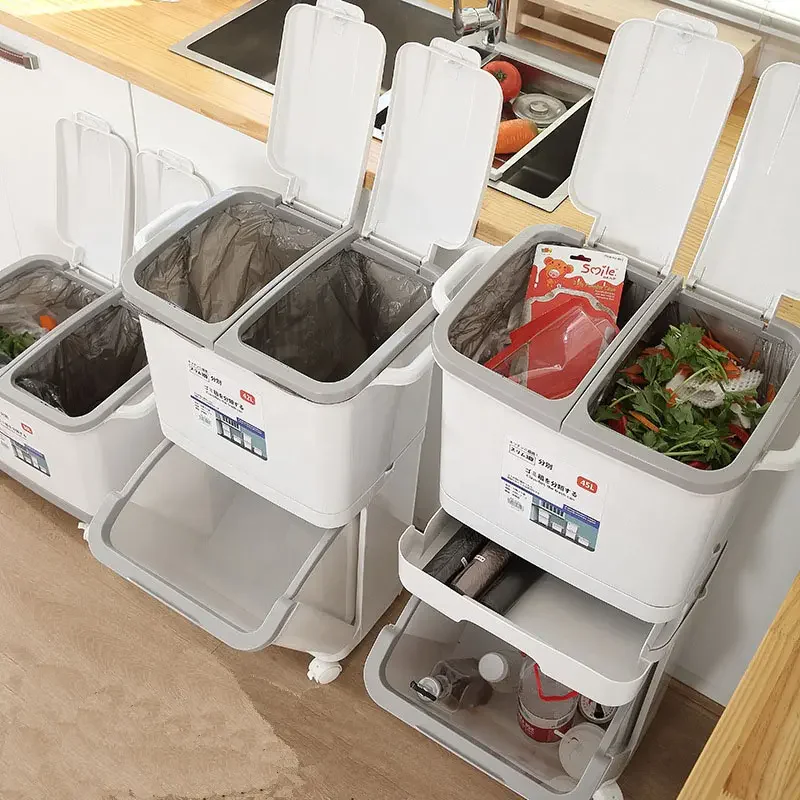
Home organization and décor gained momentum during pandemic work-from-home shifts and sustained that growth. Products like drawer organizers, wall shelves, and storage bins combine good margins with consistent demand. People continually reorganize living spaces.
Fitness and wellness products benefit from evergreen health consciousness. Resistance bands, yoga mats, foam rollers, and massage tools sell year-round. These items often have 60-100% margins and appeal to broad demographics.
Beauty and personal care products, particularly from K-beauty and J-beauty suppliers, offer high perceived value at low manufacturing costs. Skincare, cosmetics, and hair accessories work well for resellers who can build trust around product quality.
The key is finding subcategories where you can source significantly cheaper than competitors while maintaining quality standards customers expect.
FAQs Resellers Ask About Finding Vendors
How do I know if I’m getting real wholesale prices?
Real wholesale pricing is typically 40-70% below retail prices, depending on the product category. If a “wholesale” supplier’s price is only 15-20% below retail, you’re buying from a middleman. Compare quotes from multiple sources and research typical manufacturing costs for your products. Direct factory prices should leave room for healthy margins even when you price competitively.
Do I need a business license to buy wholesale?
Most legitimate wholesale suppliers require business licenses or tax IDs to verify you’re a real business, not a retail customer seeking bulk discounts. Obtaining a business license is straightforward in most locations and costs $50-200 depending on your jurisdiction. It also provides legal protection and allows you to deduct business expenses on taxes.
What’s the minimum order quantity I should expect?
MOQs vary widely by product and supplier type. Domestic distributors might require $500-1,000 minimums. International manufacturers often require 100-1,000 pieces per product or $1,000-5,000 per order. Some suppliers negotiate lower MOQs for first-time customers. Sourcing agents can often combine products from multiple factories to meet MOQs while diversifying your inventory.
How long does shipping take from Chinese suppliers?
Air shipping takes 5-10 days but costs significantly more per unit. Ocean shipping takes 25-40 days to US ports but reduces per-unit costs dramatically. Most resellers use air shipping for sample orders and initial inventory, then switch to ocean freight once they’ve validated product demand and order larger quantities.
What if the quality is bad when products arrive?
This is why pre-shipment inspection is crucial. Quality issues should be caught before products leave the factory, not after they reach your warehouse. Working with sourcing agents who conduct physical inspections protects you from this scenario. If defective products do arrive, documented pre-shipment inspections provide evidence for resolving disputes and potentially recovering costs.
Can I visit factories before ordering?
Yes, and many resellers do for large orders, though it requires travel to manufacturing regions. Factory visits let you verify capabilities, meet management, and inspect quality control processes firsthand. However, for most resellers starting out, the cost and time of international travel exceeds the benefit. Sourcing agents conduct these visits on your behalf, providing photos and detailed reports.
Should I use Alibaba or go direct to manufacturers?
Alibaba connects you with suppliers but doesn’t guarantee they’re manufacturers versus trading companies. Many Alibaba sellers are middlemen adding markups. It’s a reasonable place to research options, but verify suppliers carefully and compare pricing with direct manufacturer quotes. Sourcing agents can identify actual manufacturers who may or may not advertise on Alibaba.
What payment method is safest for international orders?
For small orders under $1,000, PayPal business accounts offer buyer protection. For larger orders, letters of credit through banks provide strong protection for both parties. Trade assurance programs on platforms like Alibaba offer middle-ground protection. Working with sourcing companies provides another layer since they hold payment until verifying shipments meet specifications.
How much should I budget for my first inventory order?
Plan on $1,000-3,000 for your first real inventory order after sample testing. This provides enough product to fulfill orders consistently while proving market demand before larger commitments. Don’t spend everything on first orders—reserve capital for reorders and unexpected expenses. Successful resellers scale gradually based on sales velocity, not optimistic projections.
What’s the biggest mistake new resellers make with vendors?
The biggest mistake is falling in love with products before validating market demand. Resellers find products they personally love, order large quantities at great prices, then discover nobody else wants to buy them. Always validate demand through test orders before committing to large inventory purchases, regardless of how good the supplier pricing seems.
Stop Competing on Someone Else’s Terms
Every day you buy from middlemen charging inflated “wholesale” prices, you’re competing with one hand tied behind your back. Other resellers sourcing directly from manufacturers can undercut your prices while maintaining higher margins.
The path to real reselling profits isn’t complicated—it’s getting products at actual source prices instead of paying markups to multiple intermediaries. That’s how the successful resellers in your category operate. They’re not smarter; they just source smarter.
At Sellers Union, we eliminate the complexity of direct sourcing while maintaining the cost advantages. We handle factory verification, price negotiation, quality control, logistics, and secure payments so you focus on growing sales rather than managing international supply chains.
Whether you’re starting your first reselling business or scaling an existing operation, the foundation of profitability starts with how much you pay for inventory. Stop overpaying middlemen. Start sourcing like the businesses that are winning.
Ready to access manufacturer-direct pricing? Contact Sellers Union to connect with verified suppliers in your product category.

Ivy is a Sourcing Specialist at Sellers Union. She shares hands-on experience in supplier selection, quality control, and market trends to help global wholesalers make informed decisions. Her goal is to simplify the sourcing process and help brands build efficient supply chains in the industry.



 S******
 Z*****
 V******
 S******
 X******
 R******
 W*****
 Z******
 Q****
Q**** L*******
 R*****
 O*****